Written scope
Flat price and marked-up plan
Black mold removal Lacey WA homeowners call first when a musty smell will not quit or a water stain turns fuzzy. We inspect with moisture meters and thermal imaging cameras, contain the work area, and remove contaminated material instead of painting over it. From Tanglewilde ramblers to Meridian Campus rentals, our crews handle professional black mold cleanup Lacey wide, usually starting within 24 hours of your call.
Every job starts with an inspection and a written scope. From there, the work covers containment, removal, treatment, drying, and a final walkthrough. If you want third-party clearance testing or reconstruction such as new drywall and paint, we can arrange it as an add-on.
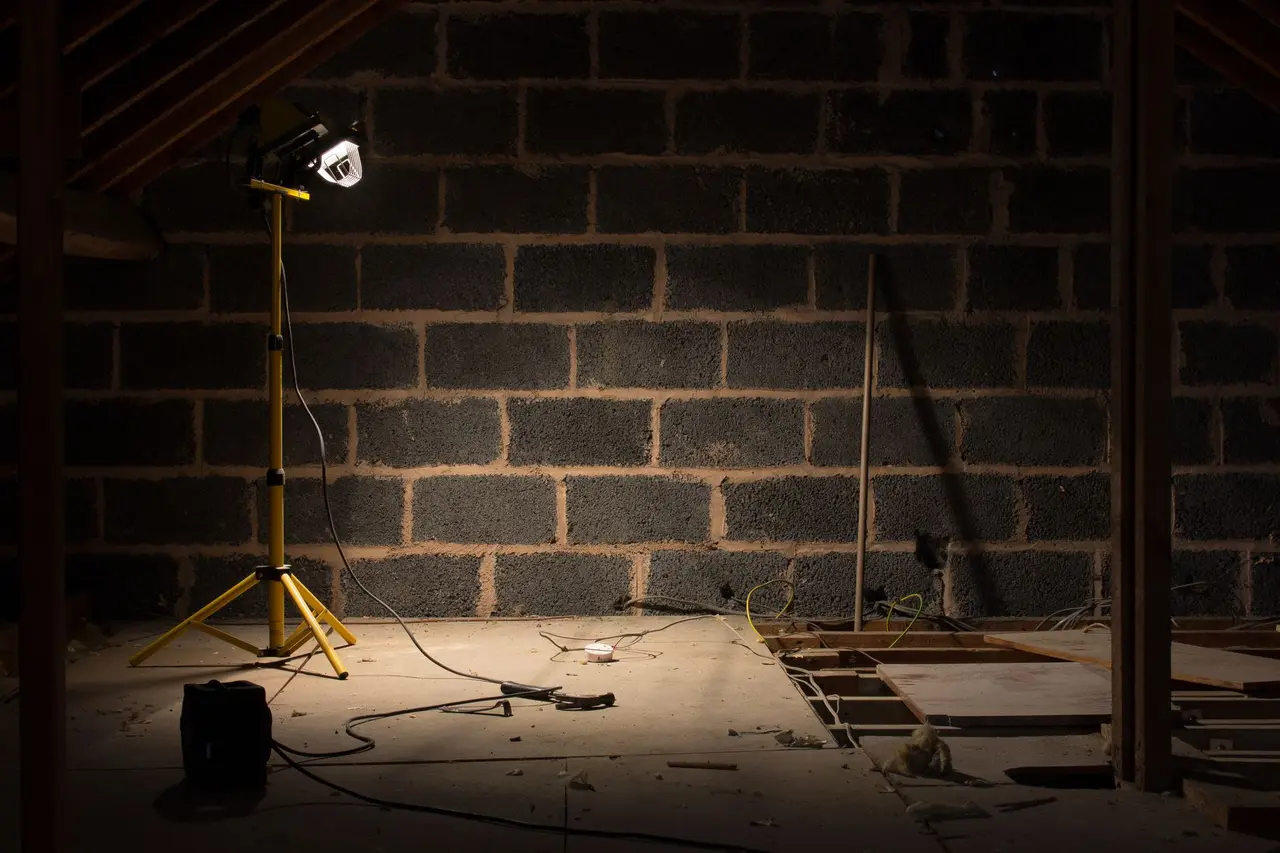
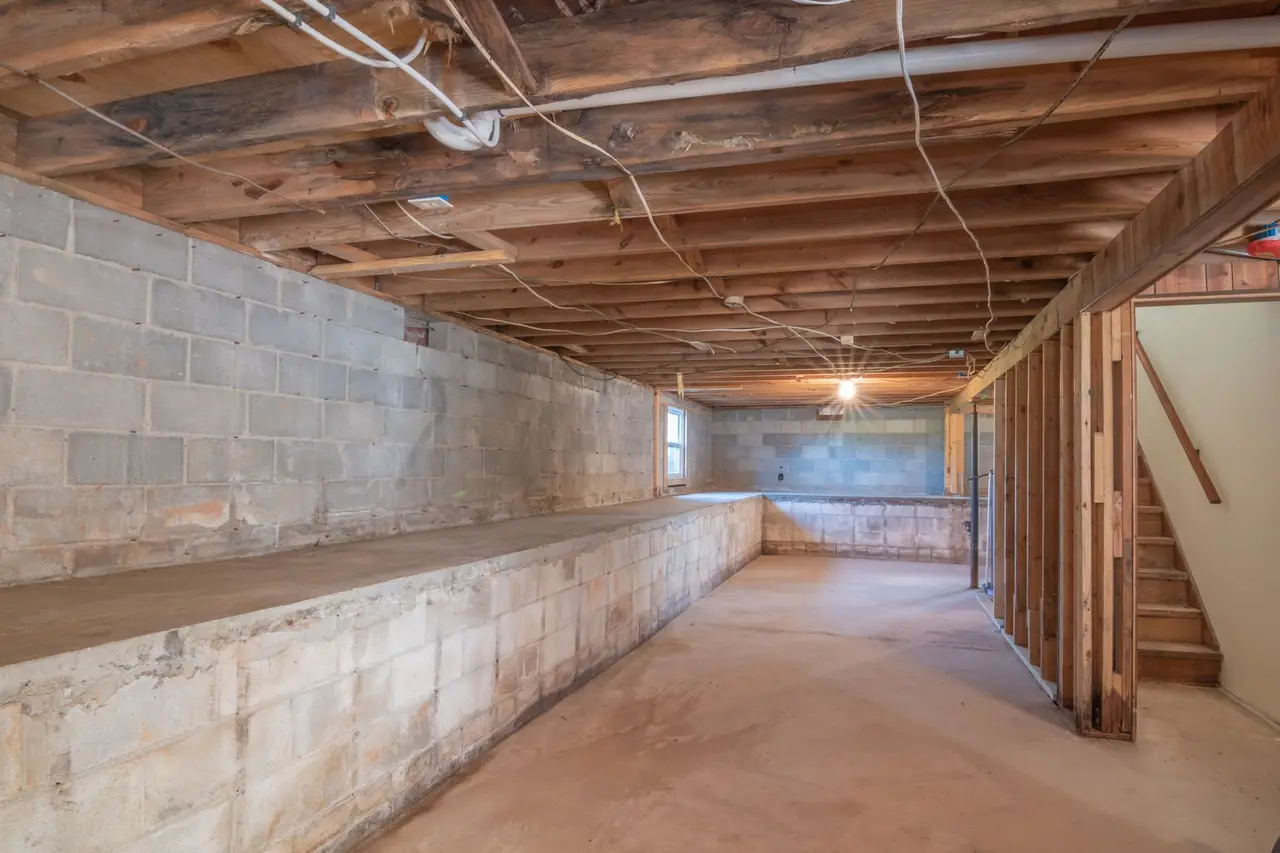
We handle mold in houses, condos, and rentals across Lacey. Every job starts with an inspection that shows you where the moisture is and what it will take to remove it.
We work with property managers, landlords, and small business owners who need mold handled without shutting down operations. Scheduling is built around your hours.
Black mold removal Lacey WA is the contained removal of mold growth, contaminated drywall, insulation and framing, followed by antimicrobial treatment and drying. It is not a bleach wipe-down. We set negative air machines and air scrubbers with HEPA filters so spores do not travel into clean rooms, then remove affected material, treat the framing, and dry the cavity with dehumidifiers and air movers until moisture readings return to normal. Every job is documented with photos and moisture logs.
Most Lacey calls start with a slow leak, a crawl space that stays damp, or condensation on north-facing walls through our wet winters. Thurston County homes built before 1990 often hide mold behind vinyl wallpaper and under laminate floors. If you search for black mold removal in Lacey WA near me after a pipe bursts, we can usually be on site the same day and give you a written scope before any work begins.
We remove the mold, dry the cavity, and fix the water source that caused it.
Five steps, from the first phone call to the final moisture reading. You will know what happens each day and who is in your home.
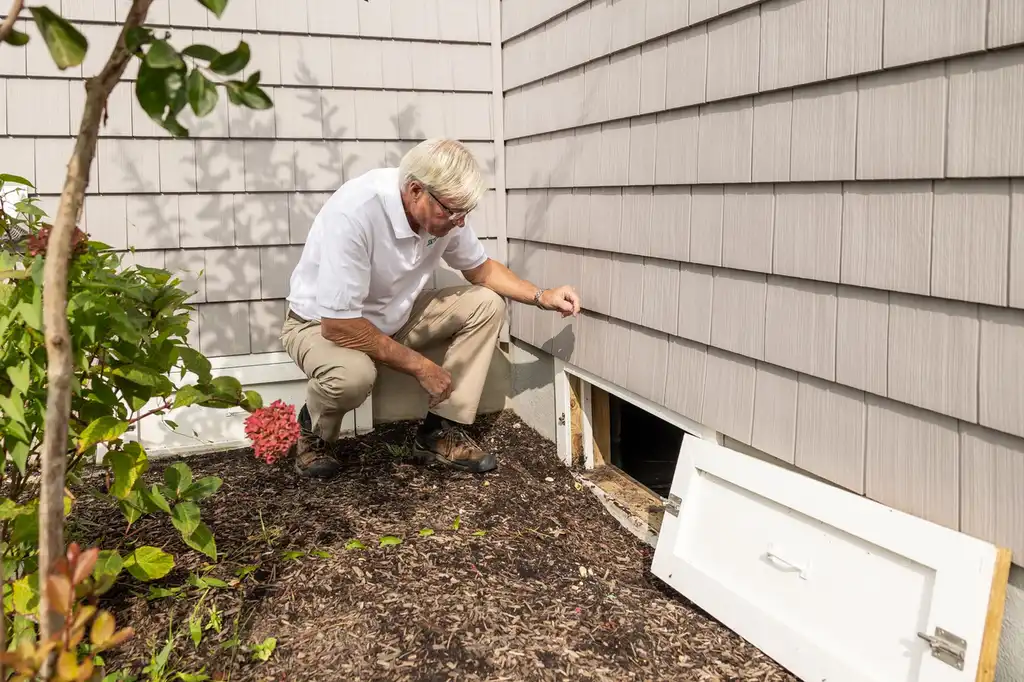
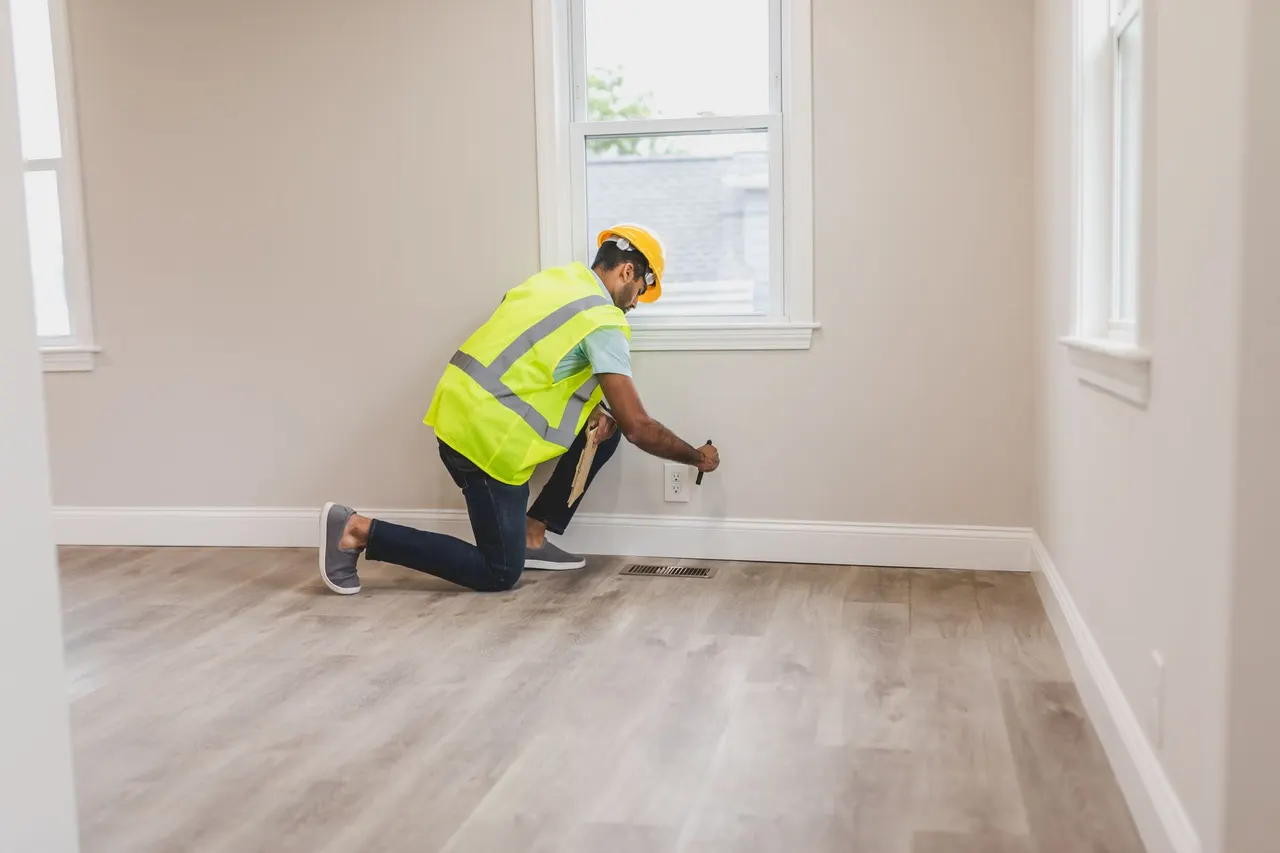
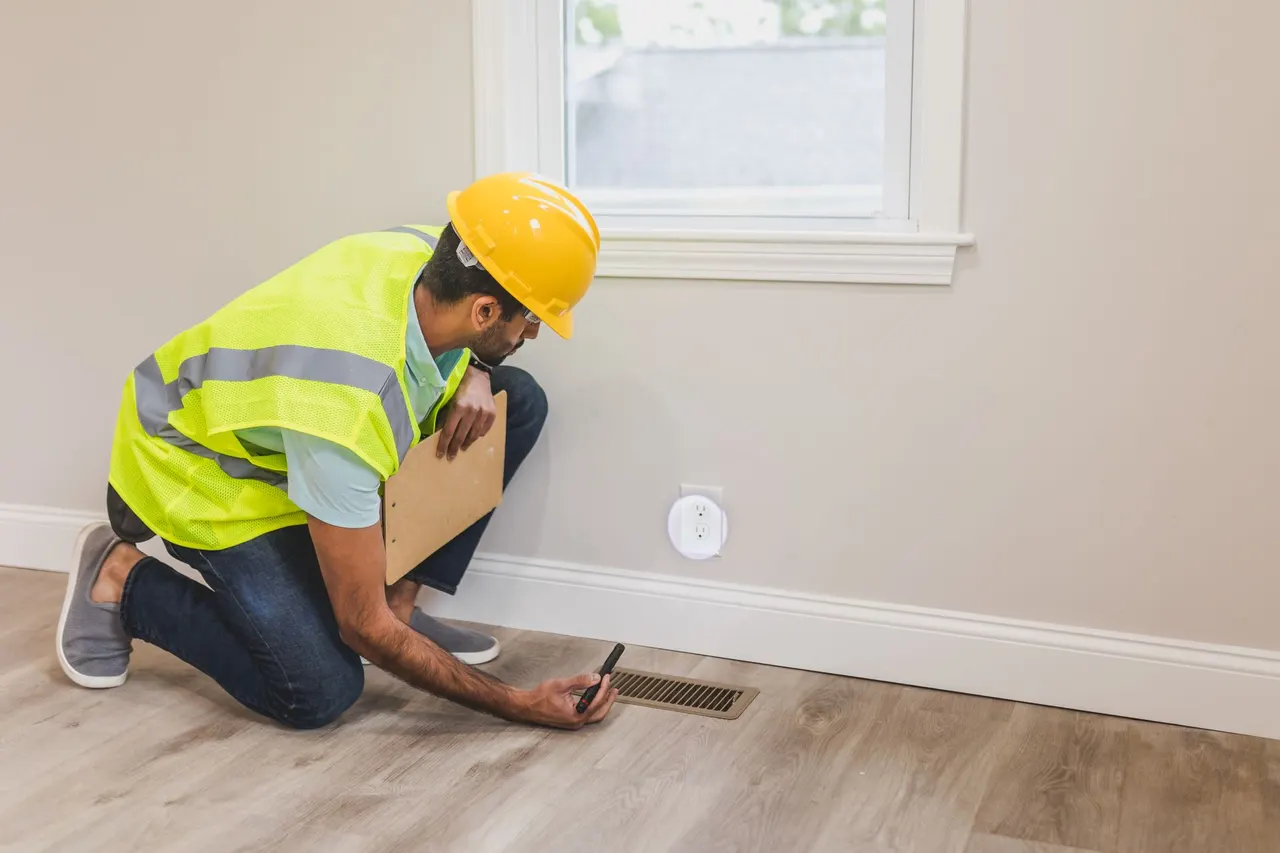
We walk the property with a moisture meter, thermal imaging camera, and boroscope to map the wet zone. You get photos, a written scope, and a flat price before we start. Most inspections take 45 to 60 minutes.

We seal doorways and vents with 6-mil poly and encapsulation film, then set a negative air machine and air scrubber with HEPA filters. This keeps spores out of your living space while we work. Setup usually takes one to two hours.
Crews in personal protective equipment (PPE) remove moldy drywall, insulation, and any porous material that cannot be cleaned. We bag debris inside the containment and haul it out through a sealed path so nothing tracks through your home.
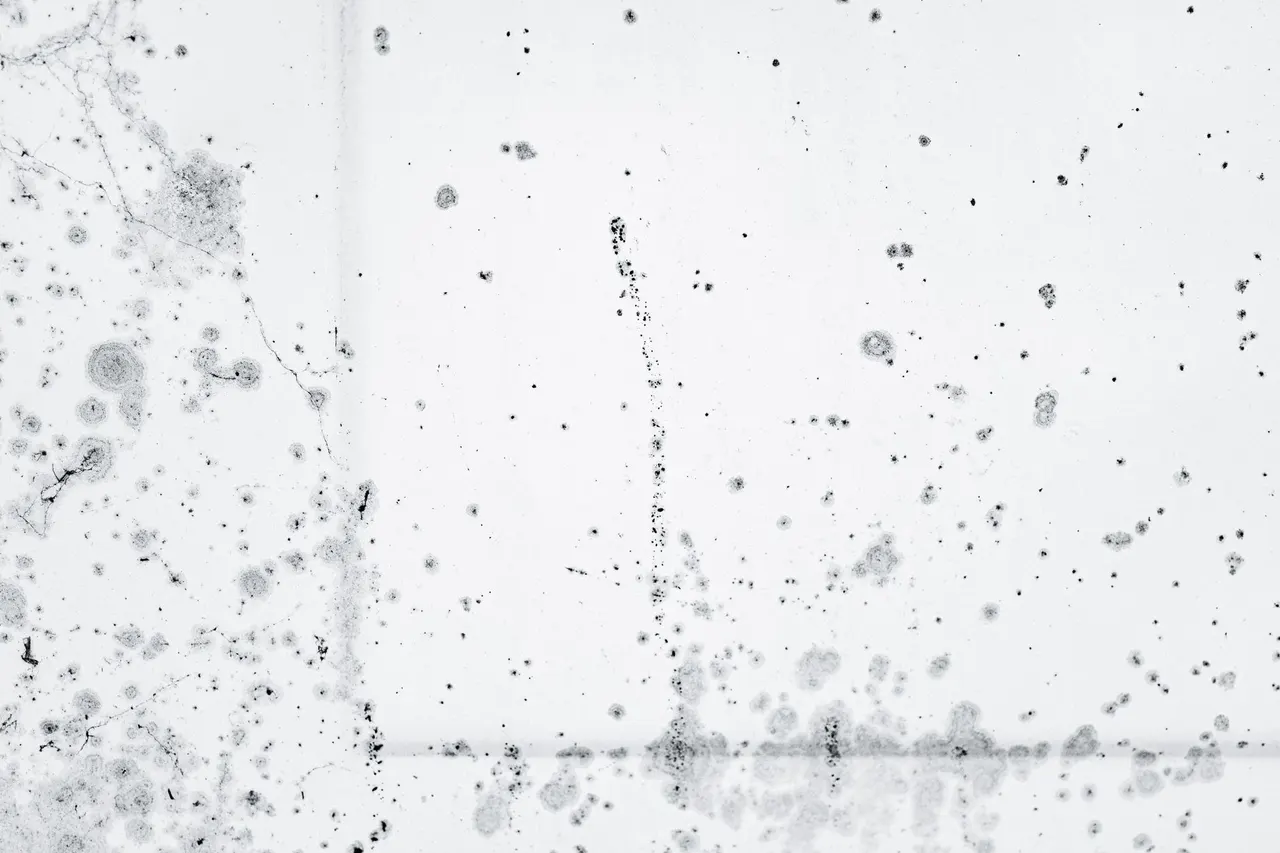
Exposed framing gets treated with an antimicrobial solution such as Concrobium or Benefect, then we dry the cavity with Dri-Eaz dehumidifiers and air movers. Drying typically runs two to three days, monitored daily with a moisture meter.
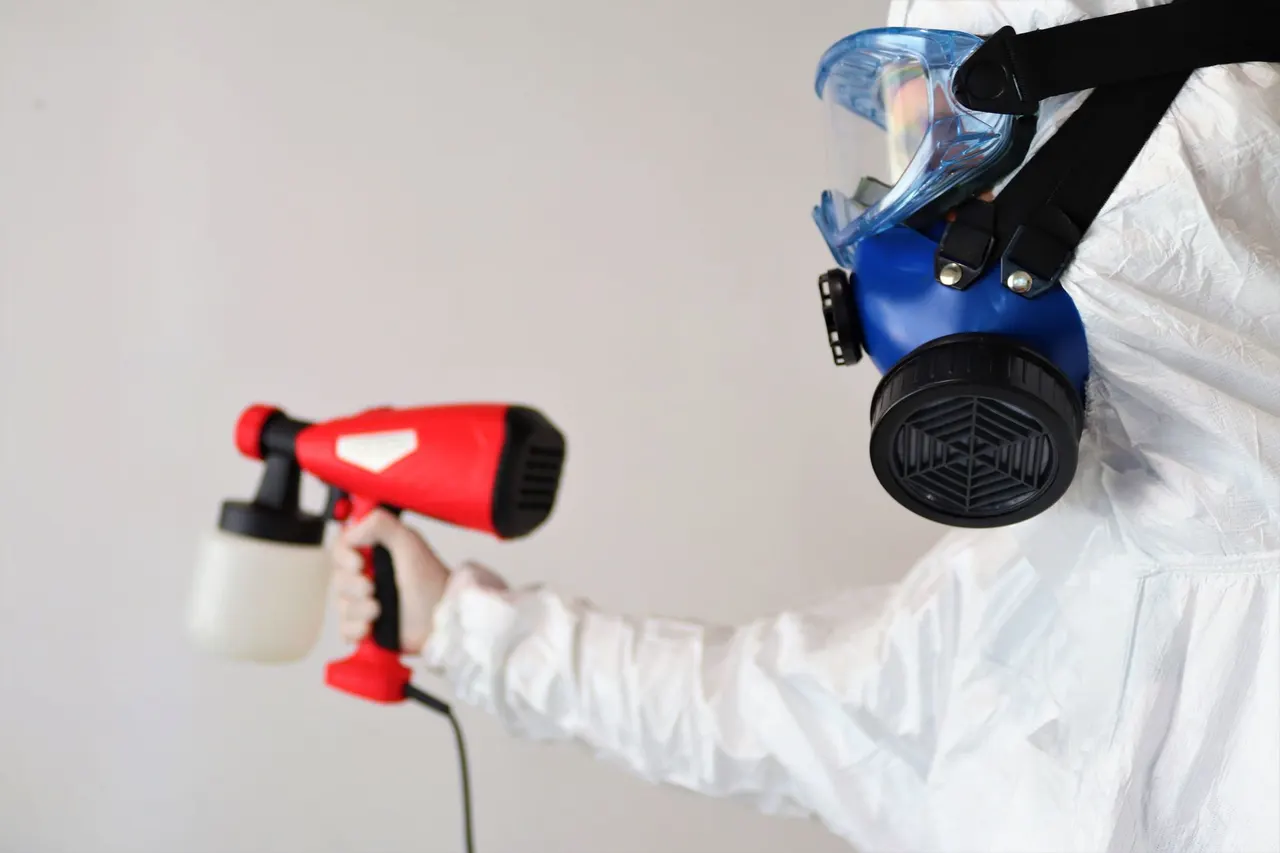
We take final moisture readings, confirm the cavity is dry, and walk you through the work. If you want third-party clearance testing, we can schedule it. You get a written summary with photos for your records or your insurance claim.
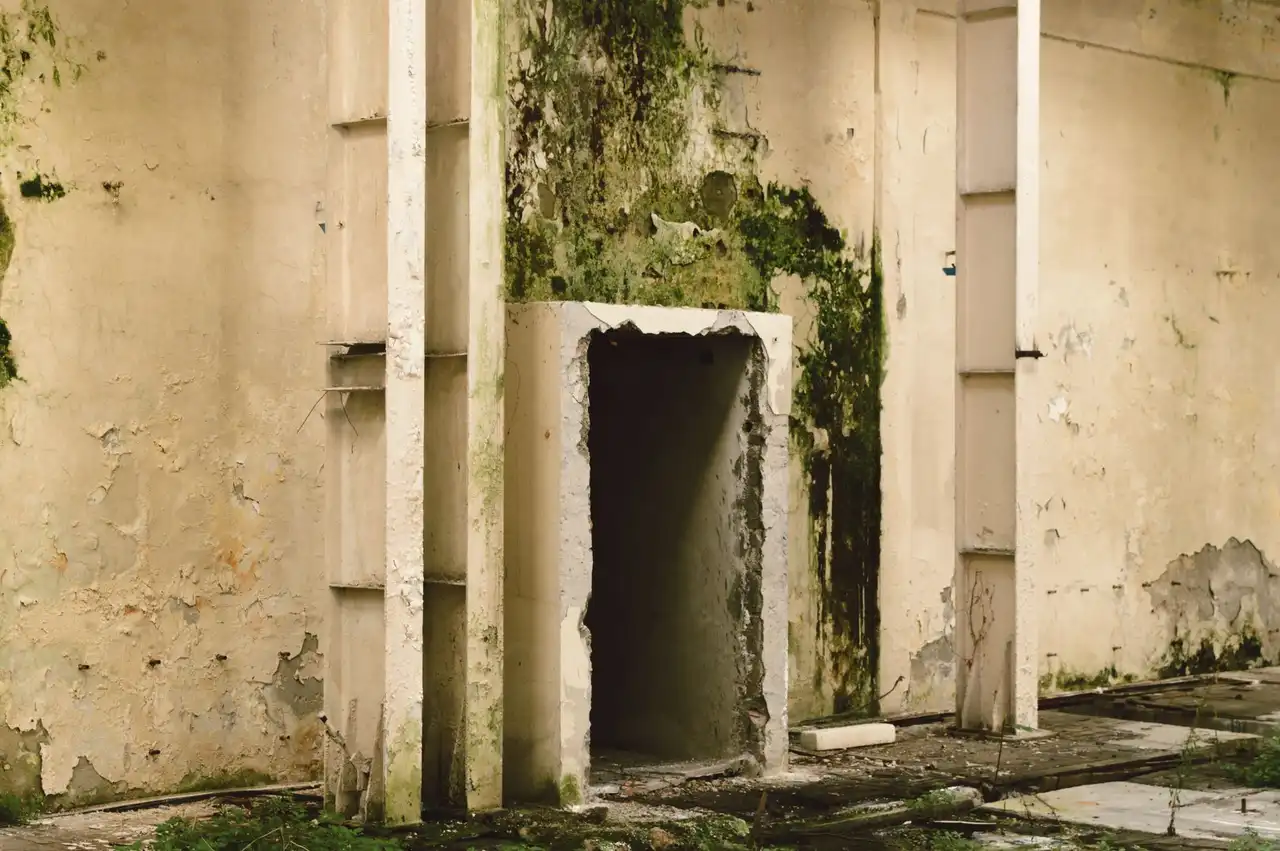
Finds temperature differences that reveal hidden moisture behind walls, under floors, and around windows without cutting into finished surfaces.
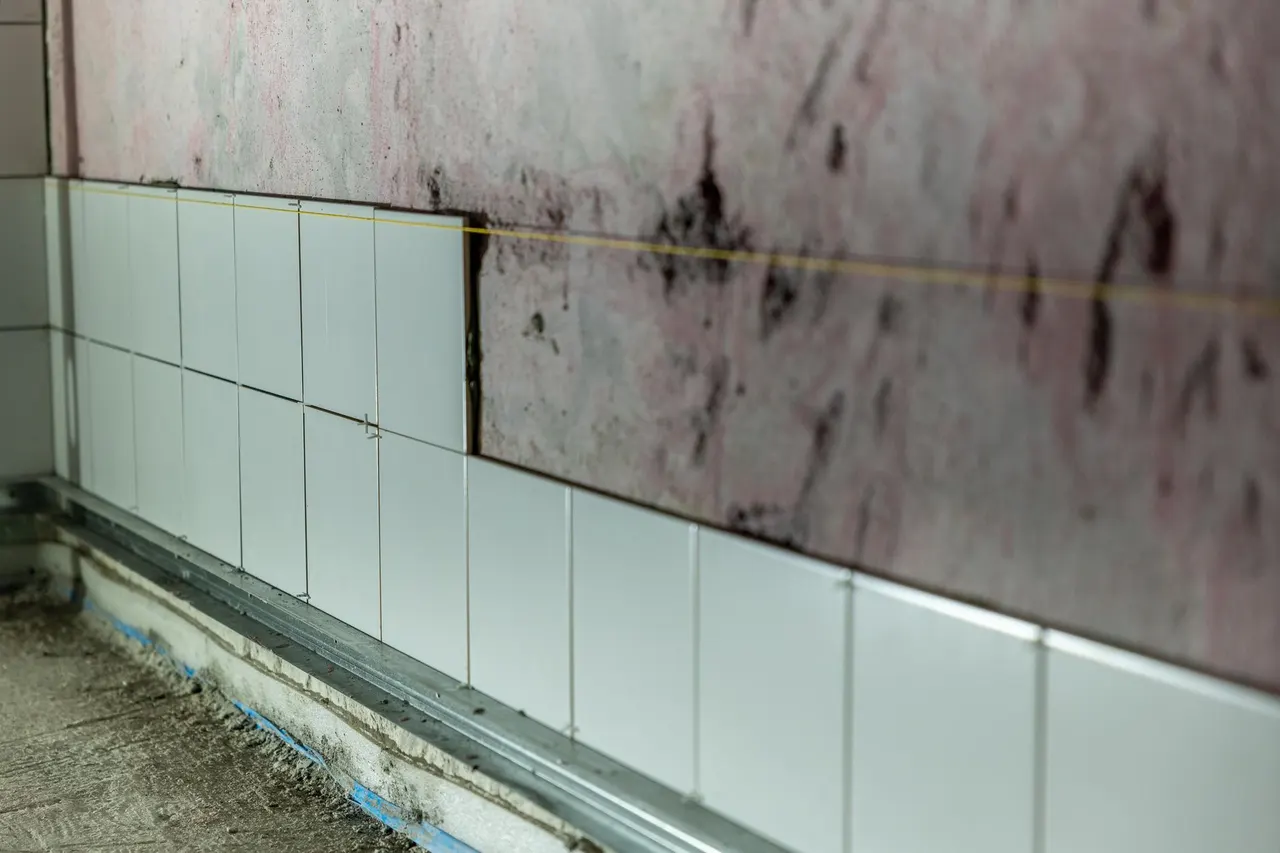
Confirms wet readings in framing and lets us look inside wall cavities through a small hole before we commit to opening a section.

Keeps air flowing into containment and filters it through HEPA filters so spores do not migrate into clean rooms during removal.
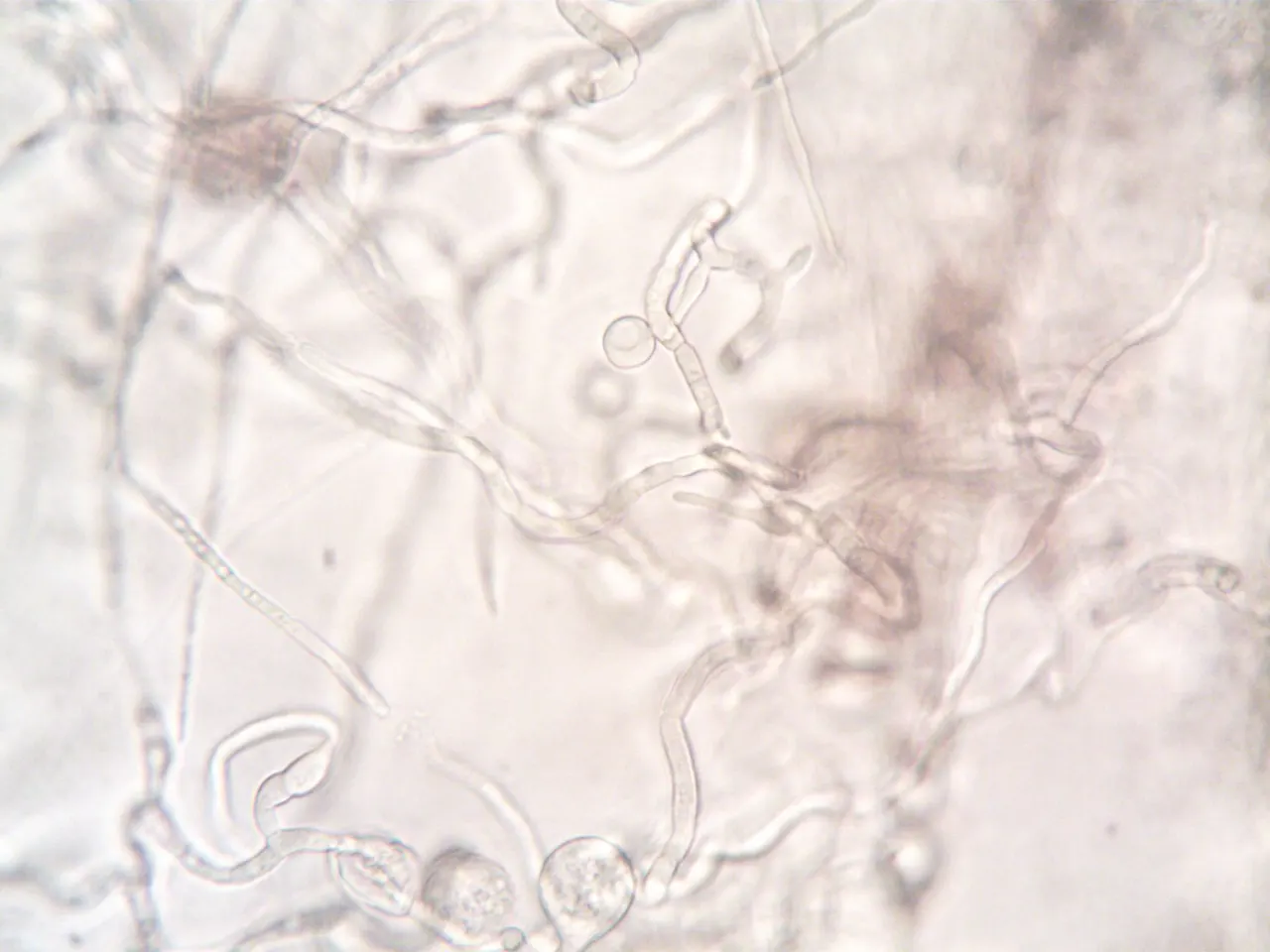
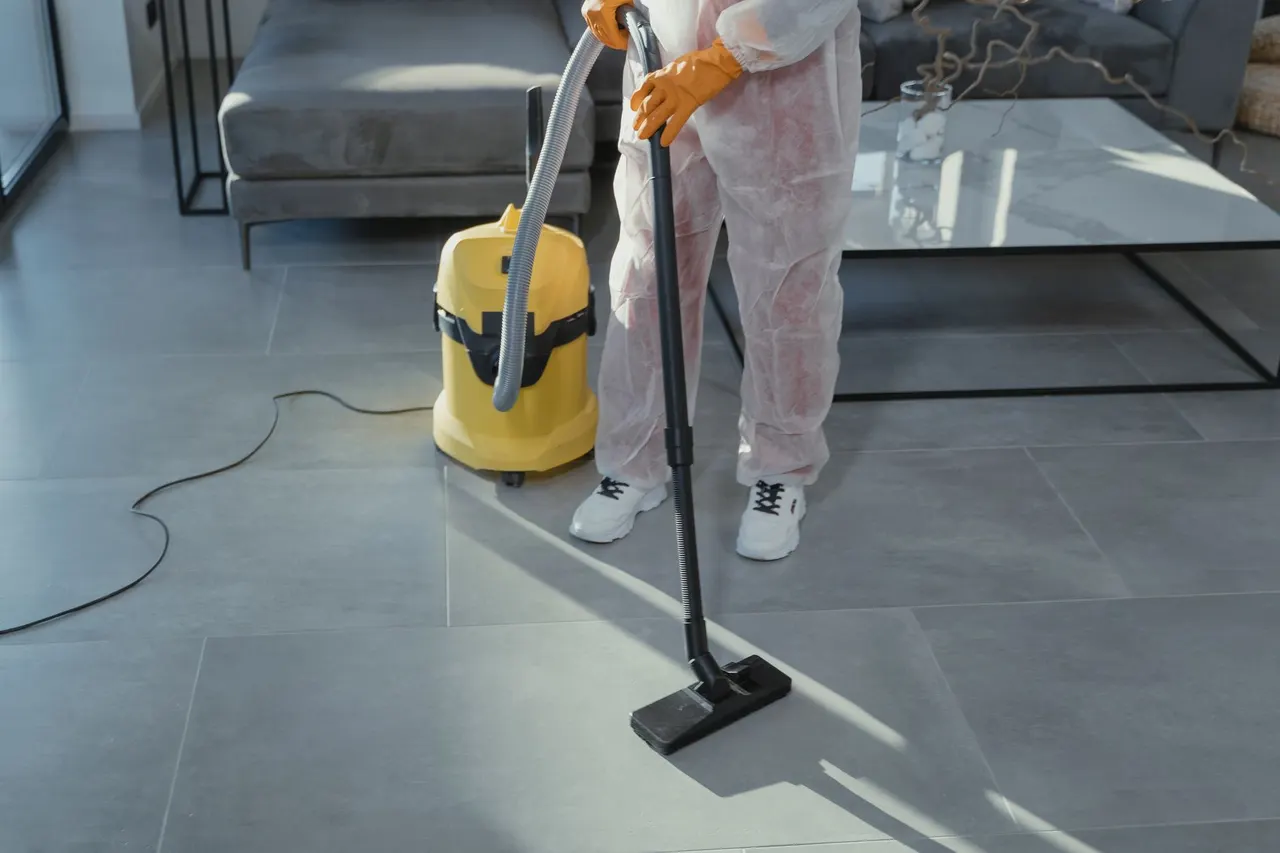
Removes settled spores from framing, joists, and surfaces after material removal. Standard shop vacuums push fine spores back into the air.
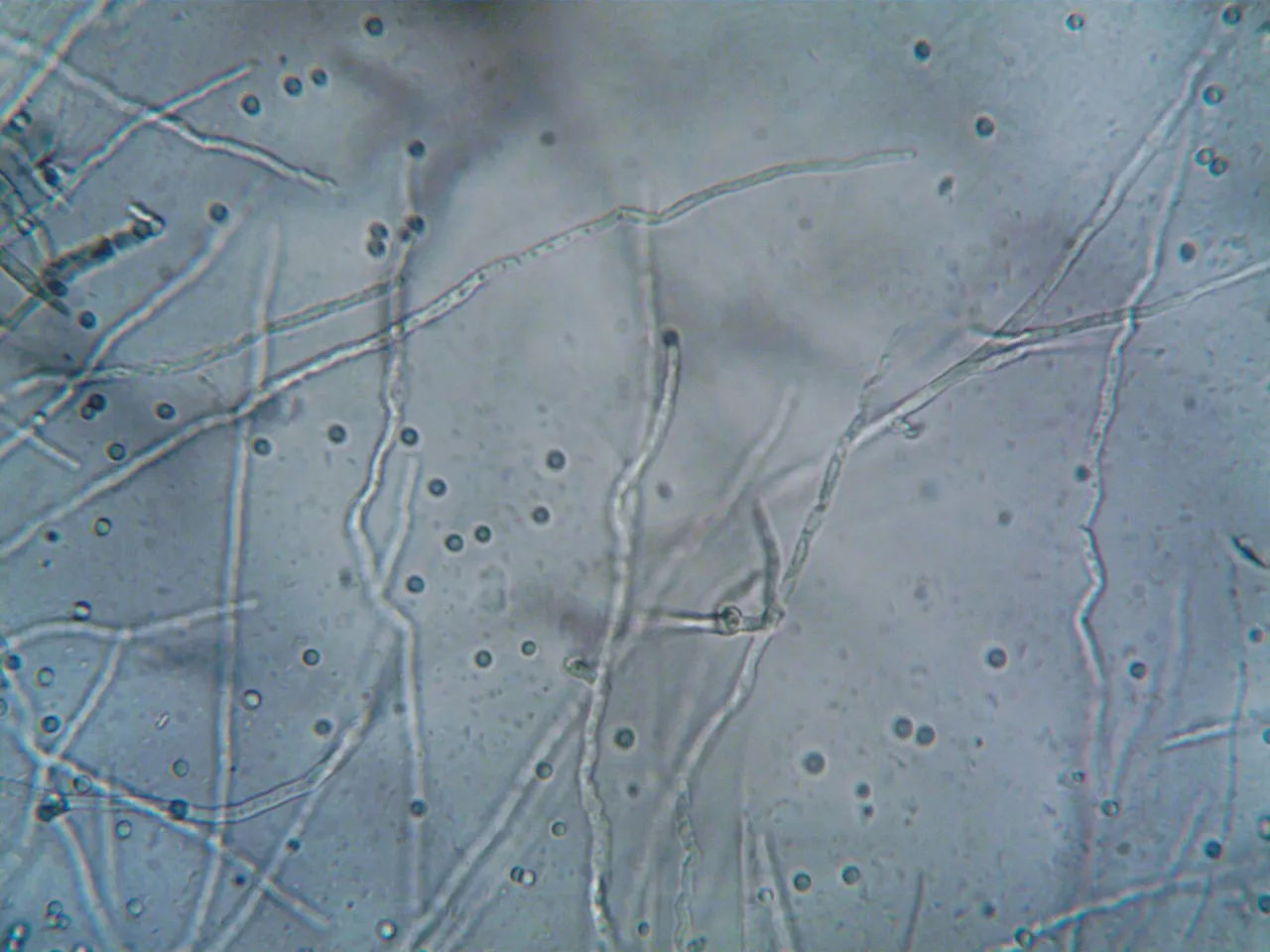
Dry wall cavities, crawl spaces, and subfloors after removal. We monitor readings daily until the structure returns to normal moisture levels.
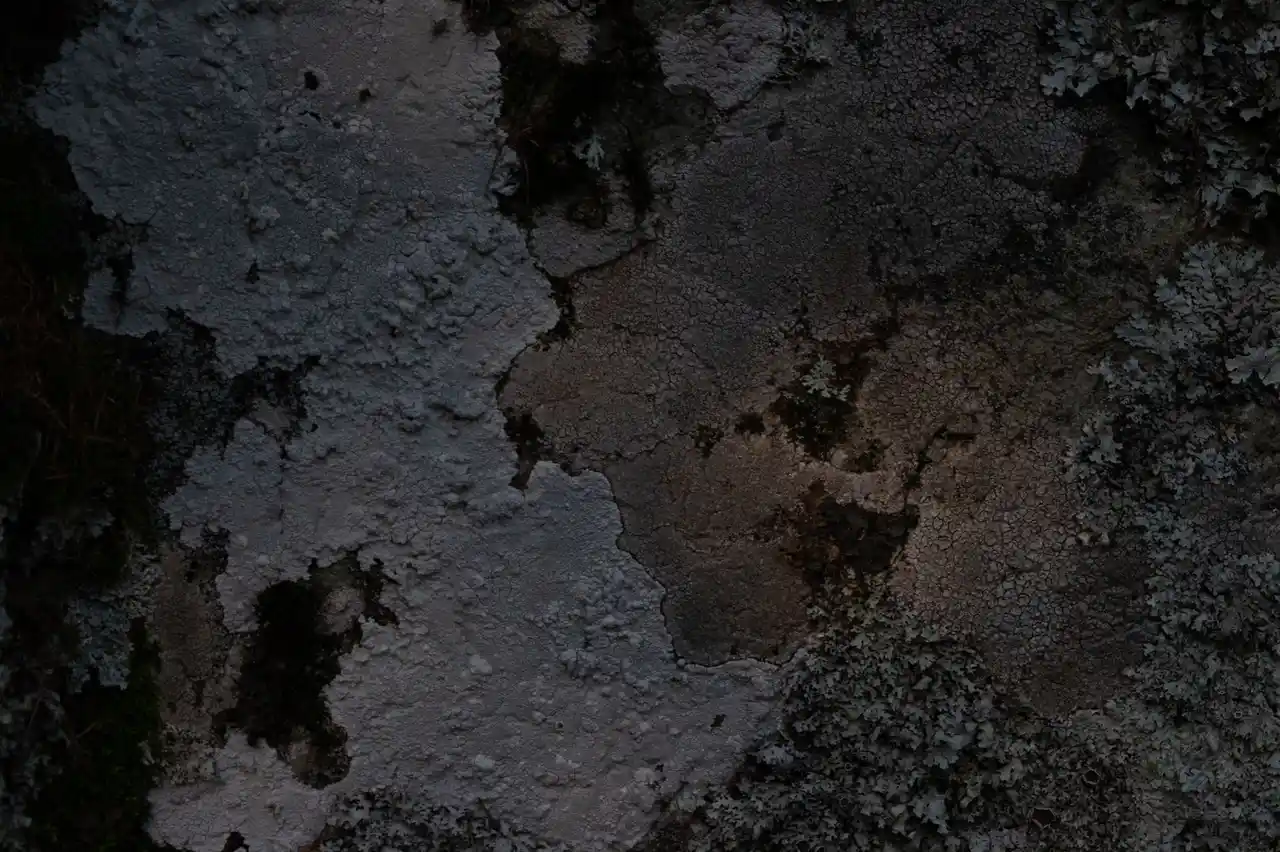
Specialty remediation products for treating and sealing framing after mold removal, used where staining or porous surfaces need extra attention.
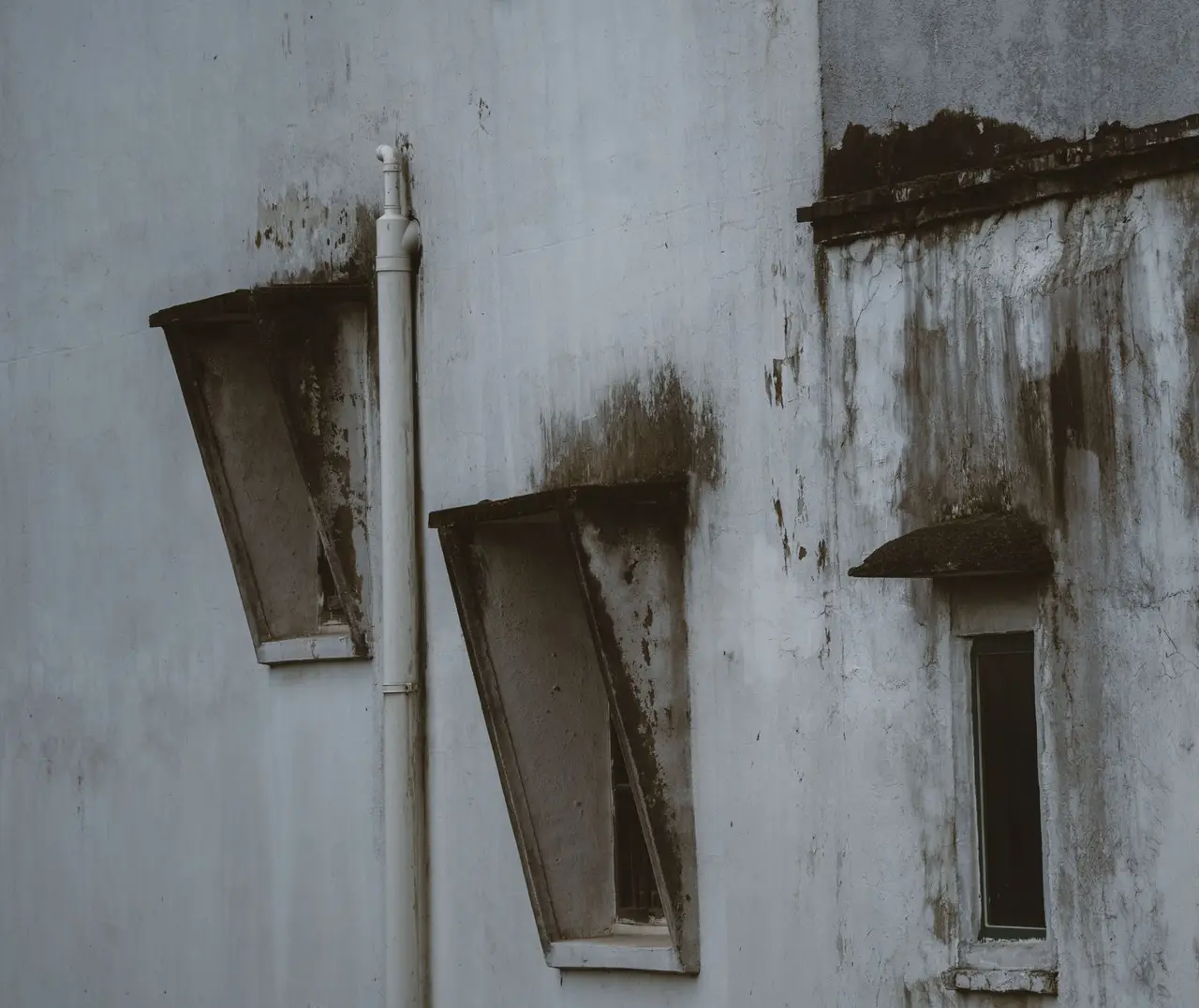
We build sealed containment with poly and encapsulation film, maintain negative pressure, and follow the S520 standard for removal, cleaning, and verification. This is the industry benchmark for mold remediation.
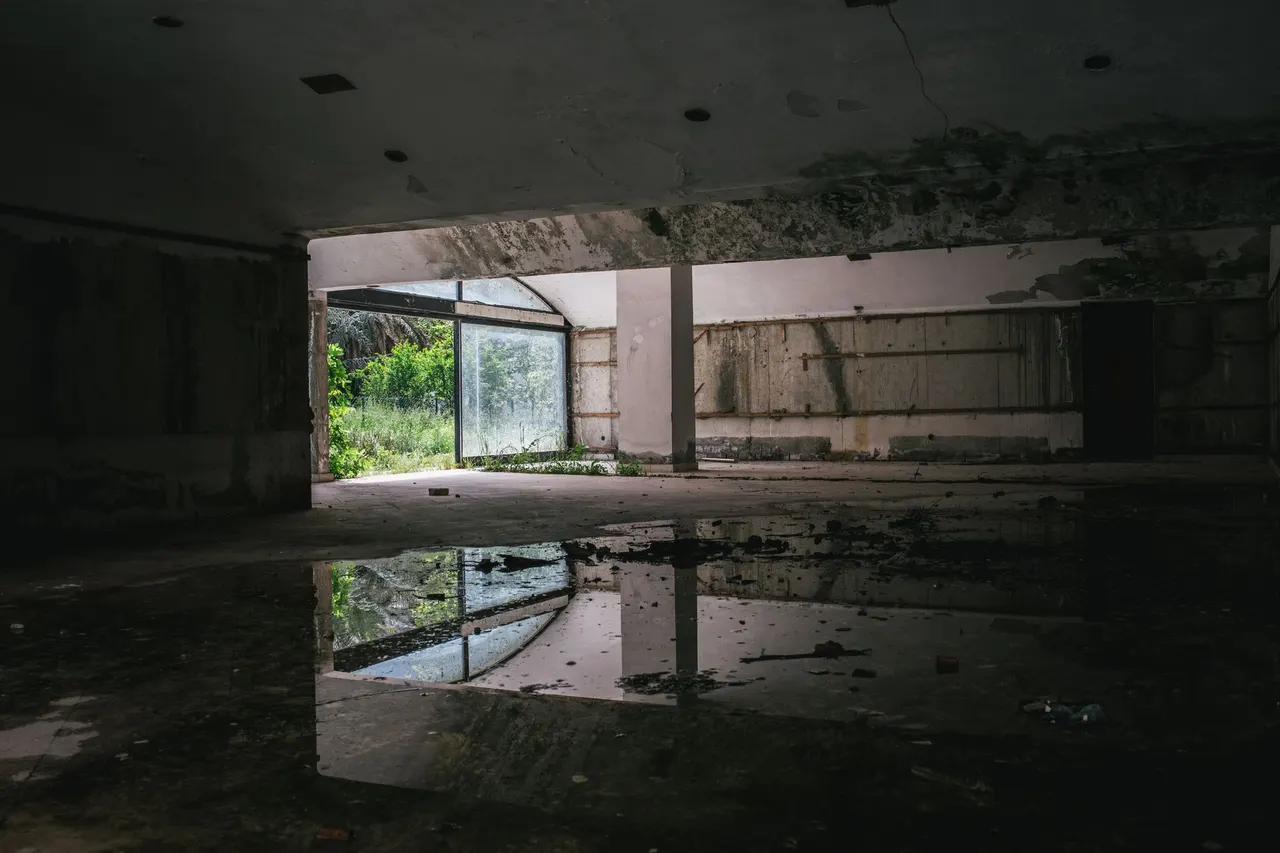
After removal, exposed framing and concrete get treated with an antimicrobial solution such as Concrobium or Benefect. Treatment stops remaining spores from colonizing once the cavity dries.
We inspect the cabinet, the wall behind it, and the floor cavity with a moisture meter and boroscope. Affected material comes out, framing gets treated, and we dry the cavity with dehumidifiers and air movers. The cabinet base and a 4-foot wall section are rebuilt clean, and the leak is repaired so the same corner stays dry.
We remove moldy sheathing and insulation, treat the framing, and reroute the fan duct to a proper exterior vent with a backdraft damper. Attic moisture drops, the mold does not return, and the bathroom clears faster after showers.
We remove fallen insulation, HEPA vacuum the joists, treat them with antimicrobial solution, and install a 6-mil vapor barrier across the ground with sealed seams. Crawl space humidity falls and stays low, and the musty smell in the house goes away.
We extract standing water, remove saturated drywall and baseboards, contain the area, and run drying equipment with daily moisture logs for the owner and the insurance adjuster. The unit is dry and mold-free, documented for the claim, and back on the rental market in about two weeks.
Lacey sits in a wet pocket of Thurston County. From October through April, outdoor humidity stays high, crawl spaces never fully dry, and north-facing walls collect condensation. Homes built in the 1970s and 1980s around Tanglewilde and Thompson Place often have vinyl wallpaper and tight vapor barriers that trap moisture against the drywall. Newer construction near Meridian Campus is tighter still, so a small bath fan failure can push humidity into the attic. We adjust drying plans for that reality: longer dehumidifier runs in crawl spaces, thermal scans on exterior walls, and vapor barrier checks before we close a job. If you need affordable toxic mold remediation Lacey Washington wide, we scope the work to the actual wet zone instead of quoting the whole house. We also coordinate with third-party clearance testers when a lender or landlord needs documentation.
A Tanglewilde homeowner noticed bubbling paint and a musty smell near the tub. The moisture meter read 28% in the wall cavity, and black mold covered the lower 3 feet of drywall and the insulation behind it.
We removed the affected drywall and insulation, treated the framing with antimicrobial solution, and dried the cavity over three days. Final moisture readings came back at 11%, and the wall was rebuilt and painted.
Keep the caulk line at the tub sealed and check under the sink twice a year for drips. A $15 supply line replaced on schedule prevents a repeat.
Fallen insulation and black growth covered the joists under a 1960s rambler. Crawl space humidity sat at 82%, and the house smelled damp year-round.
We removed the insulation, HEPA vacuumed and treated the joists, and installed a 6-mil vapor barrier across the ground. Humidity dropped to 58% within four days and stayed there.
Check the vapor barrier seams each fall and keep foundation vents clear. A small dehumidifier in the crawl space during winter keeps humidity in range.
Black spots spread across the roof sheathing above a bathroom whose fan ducted straight into the attic. Two winters of moist air had soaked the sheathing and the insulation below it.
We removed the moldy sheathing sections and insulation, treated the framing, and rerouted the duct to an exterior vent with a backdraft damper. Attic moisture readings returned to normal in five days.
Run the bath fan for 20 minutes after every shower and check the exterior vent flap each spring to confirm it opens freely.
Most mold calls come down to water that never fully dried. Here are the four we see most in Lacey, and how we handle each one.
We use a thermal imaging camera and boroscope to find the wet pocket without tearing out good material. Once located, we contain the area, remove affected material, treat the framing, and dry the cavity. Smell usually means hidden growth behind drywall, under flooring, or in a crawl space. Left alone, it spreads through wall cavities and into living areas.
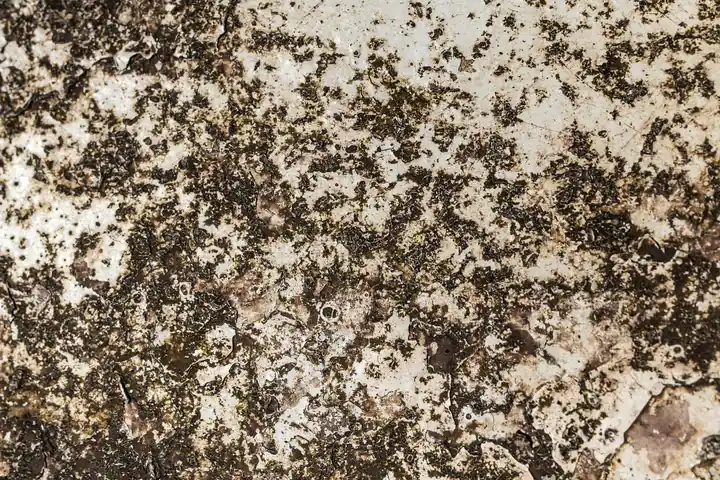
We remove the contaminated material instead of recoating it, treat the framing with an antimicrobial solution, and fix the water source. That is what stops the cycle. Bleach kills surface color but not the moisture feeding the colony. Growth returns within weeks, often deeper into the drywall than before.

We remove fallen or moldy insulation, treat the joists, and install a vapor barrier across the ground. Ventilation corrections follow where needed. Most crawl spaces dry out within three to five days. Ground moisture and poor ventilation keep the space damp year-round. Moldy insulation loses R-value and spores drift up into the living space.

We prioritize active-water calls, extract standing water, set drying equipment, and start containment. Fast response is the difference between one wall section and an entire room. Mold can start growing on wet drywall within 24 to 48 hours. Waiting a week often turns a small repair into a full wall replacement.
We run air scrubbers and HEPA vacuums until spore counts drop and the musty odor is gone. Most 100-200 sq ft remediation jobs finish in two to four days, and you get a final walkthrough with moisture readings so you can see the dry numbers yourself.
Mold behind drywall spreads fast in a damp cavity. Catching it in the first two weeks often means removing one wall section instead of a whole room. Our moisture meter and thermal imaging camera work finds the wet pocket before it reaches the studs.
We photograph affected areas, log moisture readings, and write a scope that matches what adjusters expect. Homeowners in Hawks Prairie and Jubilee use our reports to support claims tied to water damage, and we work directly with most major carriers.
Removal without fixing the water source is wasted money. We find the leak, the failed vapor barrier, or the blocked vent, correct it, and treat the framing with antimicrobial solution so the same corner does not bloom again next winter.
Typical 2026 pricing in the Lacey area runs $850 to $1,500 for a small bathroom or closet, $1,500 to $4,500 for a wall section or partial crawl space, and $4,500 to $9,000 for a full crawl space or multi-room job. The price depends on how much material comes out, how deep the growth reaches, and how long drying takes. You get a flat written price after the inspection, and we do not bill hourly.
What your estimate is based on
$850 - $9,000 depending on scope Fixing the water source and removing the mold correctly costs less than replacing a rotted floor later. Our flat price covers containment, removal, treatment, drying, and a written summary, so you know the number before we start.
Clear records you can keep and share.
Flat price and marked-up plan
Before, during, and after images
Daily readings and final numbers
Mold needs water, so removal without fixing the source is temporary. Knowing what is wet and why it stays wet is the difference between a one-time fix and a repeat call.
Porous material like drywall and insulation cannot be cleaned and must come out. Framing and concrete can often be treated and saved. We tell you which is which after the inspection.
A cavity is dry when moisture readings return to normal for that material, not when the surface feels dry. We log readings daily and show you the final numbers.
Removing mold without sealed containment spreads spores into clean rooms. Negative air and HEPA filtration keep the rest of your home out of the work zone.
Outside these areas? Call and ask, we may still cover your street. 3609950233
Most Lacey jobs run $1,200 to $4,500 in 2026, with small bathroom or attic spots starting near $850 and whole-crawl-space jobs reaching $7,000 or more. Price depends on square footage, how deep the mold reaches, and whether we are replacing drywall or insulation. You get a flat written price after the inspection, so there is no hourly guessing.
Yes. We seal the work area with poly and encapsulation film, run a negative air machine so air flows into containment rather than into your rooms, and use HEPA filtration throughout. Kids and pets stay out of the work zone only while crews are inside it. Most families remain home during the job, and we do a final moisture and visual check before we pack up.
We offer same-day inspections and can start containment the same day when the situation is urgent, such as an active leak feeding mold growth. Full removal usually begins within 24 hours of the inspection. Call 360-995-0233 and describe what you are seeing; we will tell you honestly whether it can wait until morning.
A single bathroom or closet typically takes one to two days. A crawl space or a wall section with framing treatment usually runs three to five days including drying. Larger jobs with reconstruction can stretch to two weeks. We give you a day-by-day schedule in the written scope so you can plan around it.
Call 360-995-0233 and describe what you are seeing. We will schedule an inspection, give you a flat written price, and get containment up fast. IICRC-certified crews, 8 years in Thurston County, and a written summary when the job is done.
Call 360-995-0233 or email [email protected] to book an inspection. We answer the phone during business hours and return after-hours messages first thing the next morning. Most inspections get scheduled within one business day, and we serve all of Lacey and the surrounding Thurston County area.