Written scope
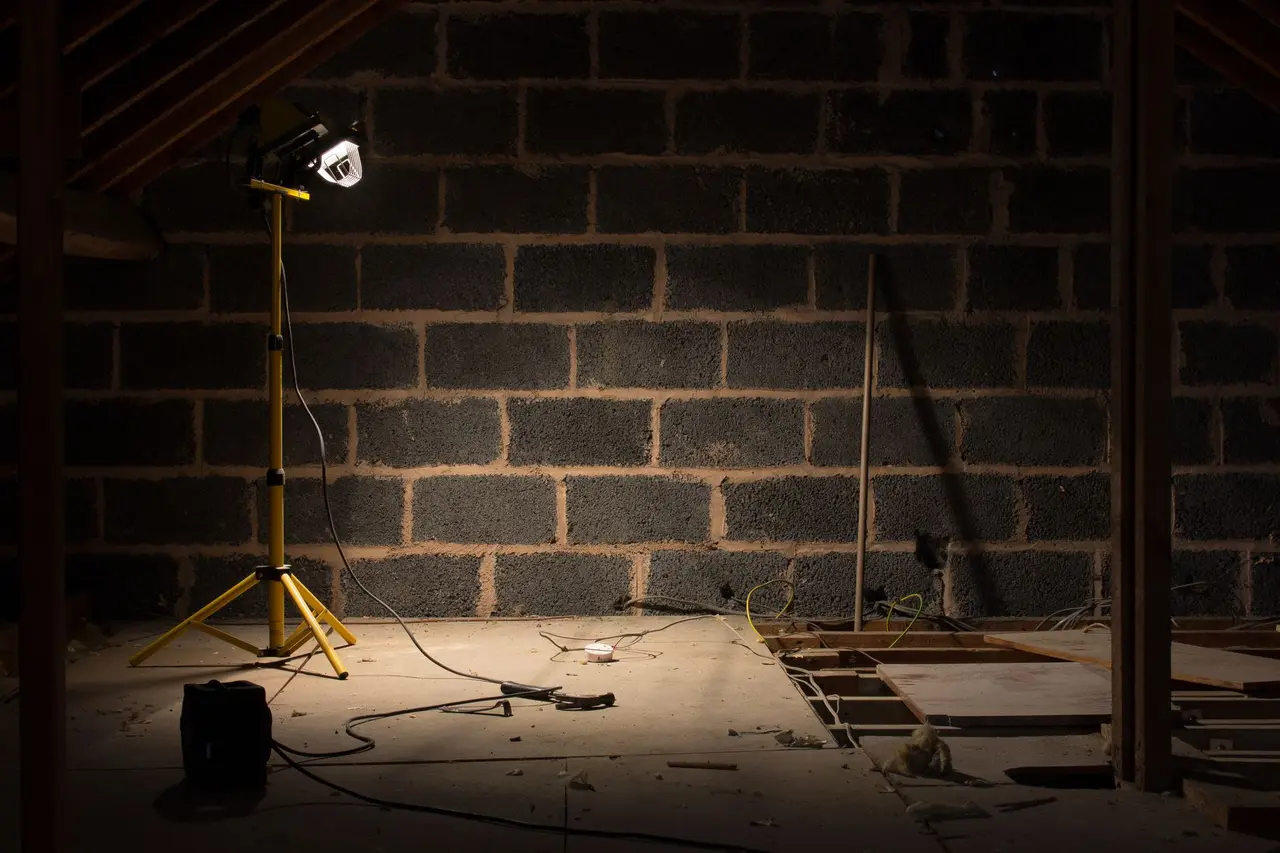
Photo log and moisture readings before work starts.
Crawl space mold remediation in Lacey starts with finding the water source, not just spraying the fungus. We pull standing moisture, HEPA-vac the joists, treat with antimicrobials, and restore the vapor barrier so the problem stays gone. If you smell that musty crawl space odor or see black mold on the subfloor, call us for a same-week inspection across Thurston County.
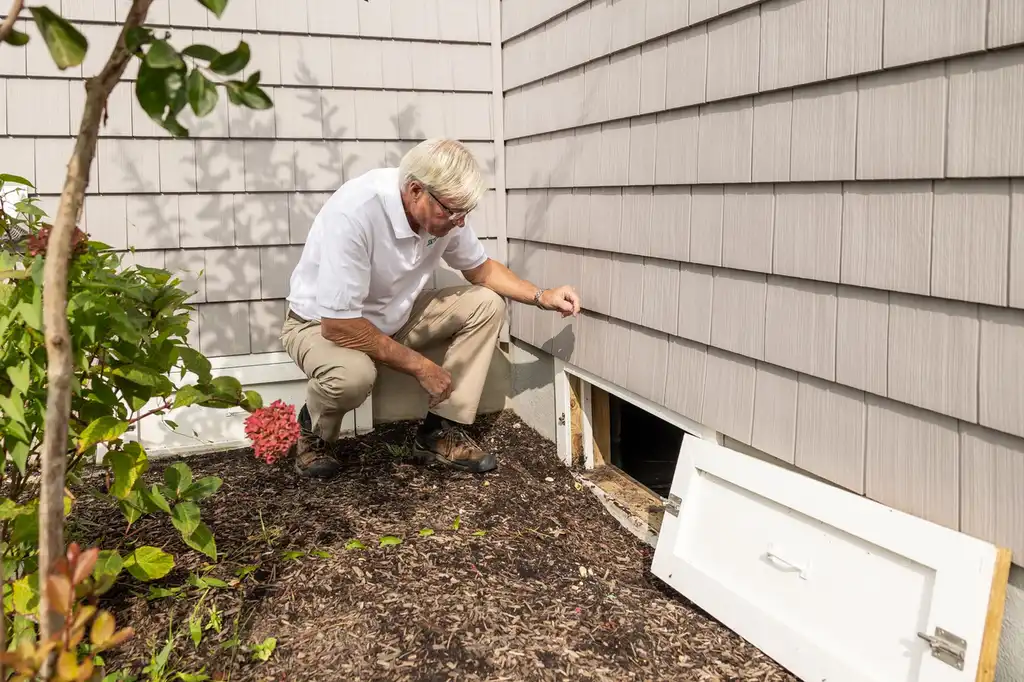
Our standard crawl space mold remediation in Lacey covers inspection, containment, removal, treatment, drying, and a clearance check. If we find a damaged vapor barrier or a drainage issue, we quote that repair separately so you can see the cost before we start.

We remove mold from crawl spaces in Lacey homes and correct the moisture that feeds it. You get containment, HEPA cleaning, treatment, and drying with final moisture readings.
We handle crawl space mold for rental properties, small commercial buildings, and property managers in Lacey. Work is scheduled around tenants and documented for your records.
Crawl space mold remediation in Lacey is the controlled removal of mold growth, contaminated insulation, and the moisture conditions that feed it inside the foundation cavity under your home. It is not a spray-and-go job. We set up negative air pressure, run HEPA filtration, physically remove affected materials, and treat structural wood with an antimicrobial solution. The work protects the structural framing and the air quality inside the house above.
Lacey sits in a marine climate where crawl spaces stay damp from October through May. Add a vapor barrier that has torn or a downspout that dumps next to the foundation, and you get condensation on the joists and black mold on the subfloor. Homeowners in Tanglewilde and Pleasant Glade call us most often after a rainy stretch when the musty odors climb through the floor registers. We offer affordable crawl space mold removal Lacey Washington homeowners can schedule before the damage spreads to the floor system.
Find the water, remove the mold, dry the wood, and prove it with readings.
Every job follows the same sequence: contain, remove, treat, dry, and verify. Here is what you see from the day you call to the day we hand you the clearance report.
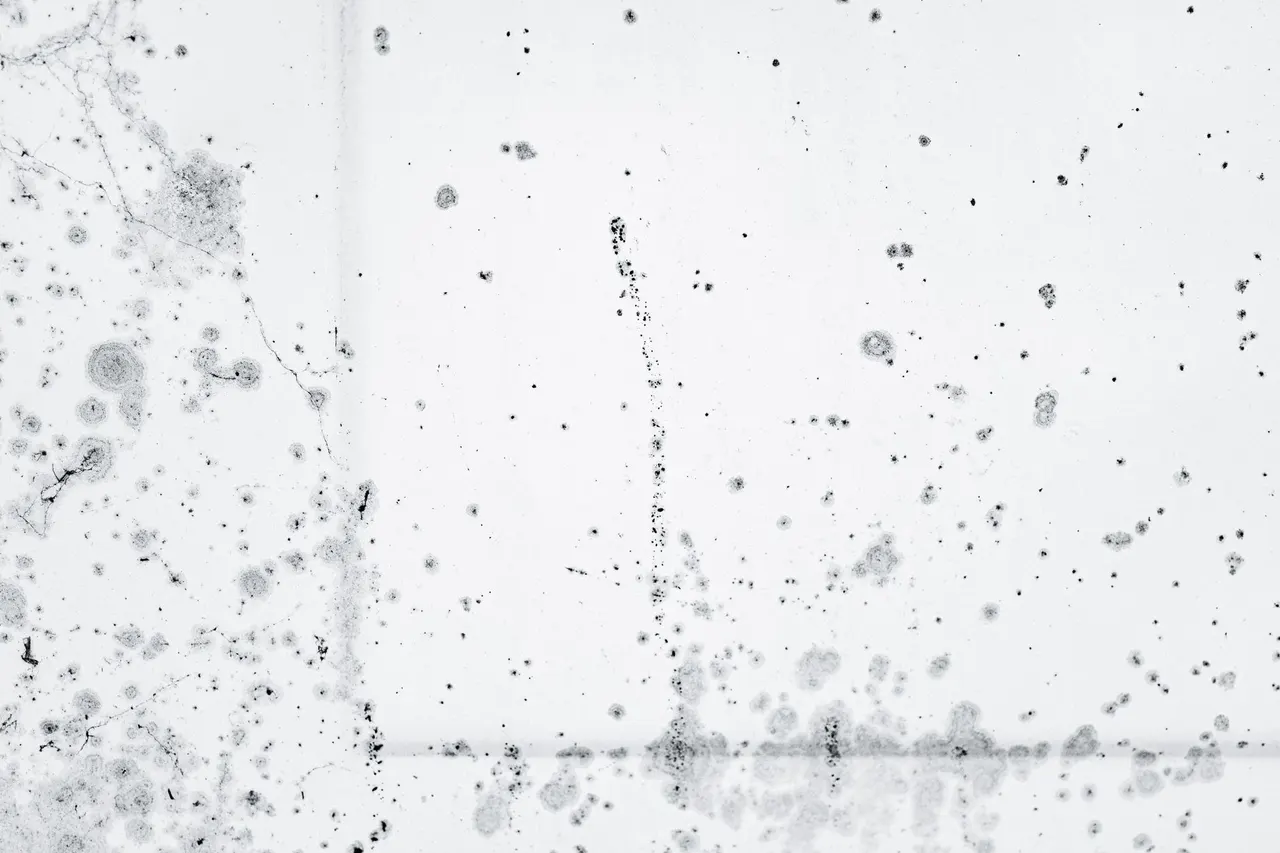
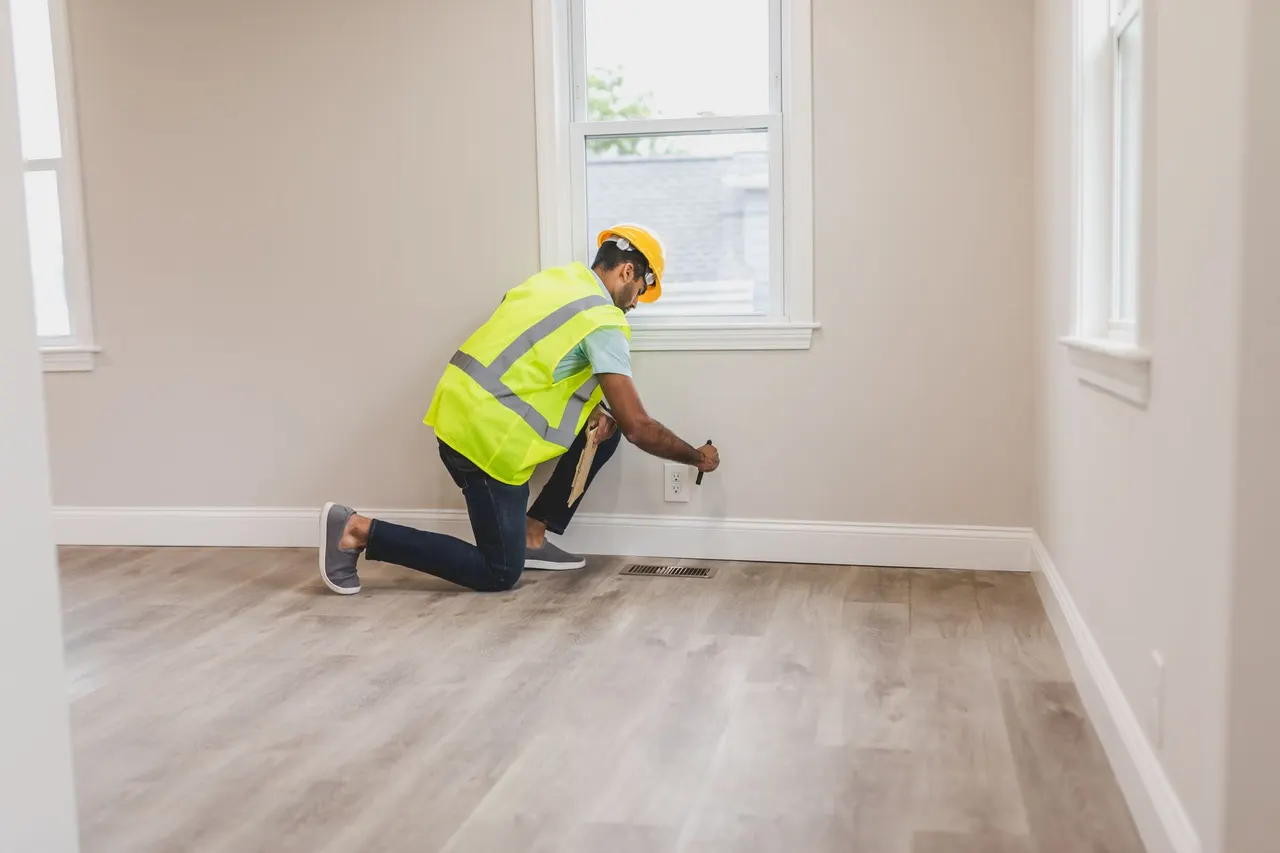
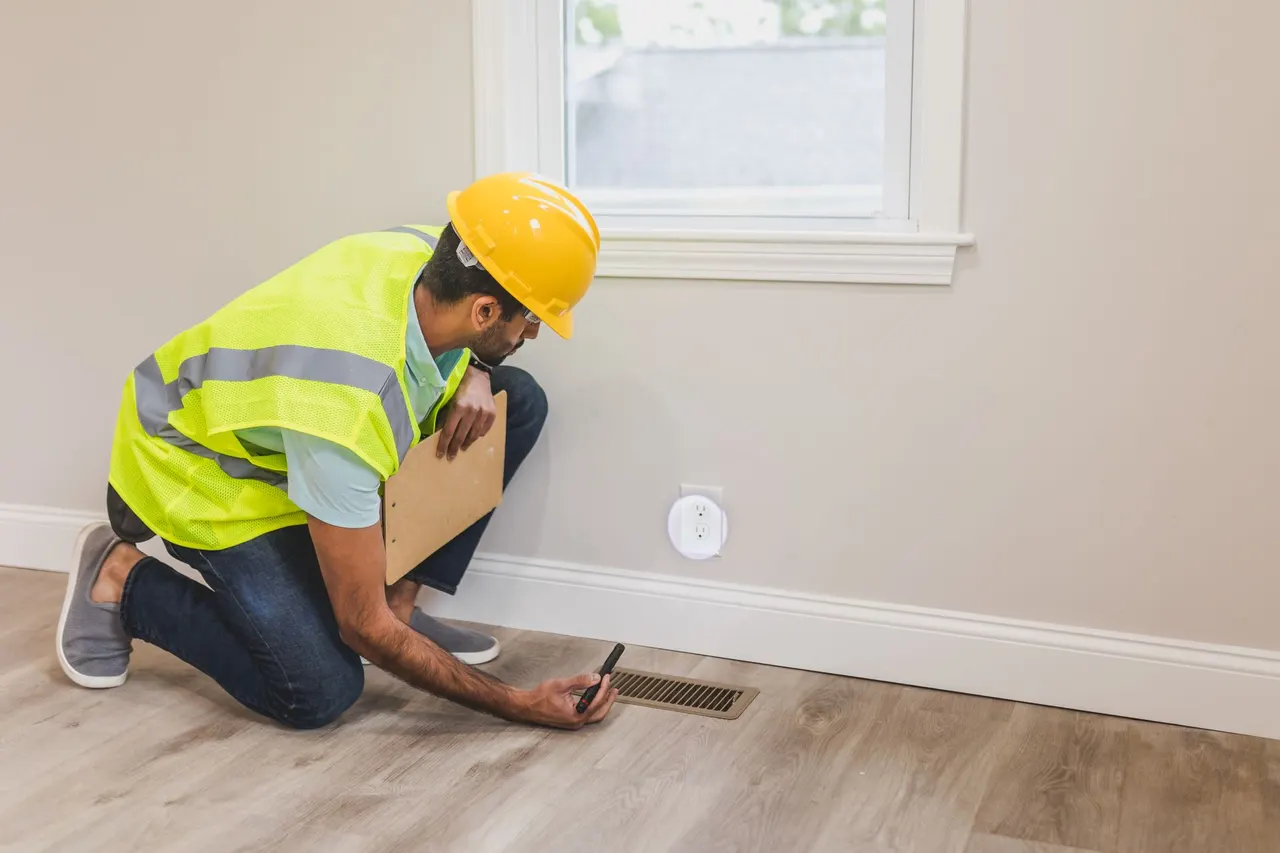
We crawl the space, measure moisture with a moisture meter, and scan for hidden mold behind insulation with a thermal imaging camera and boroscope. You get photos of what we found and a written scope before any work starts. Most inspections take 60 to 90 minutes.
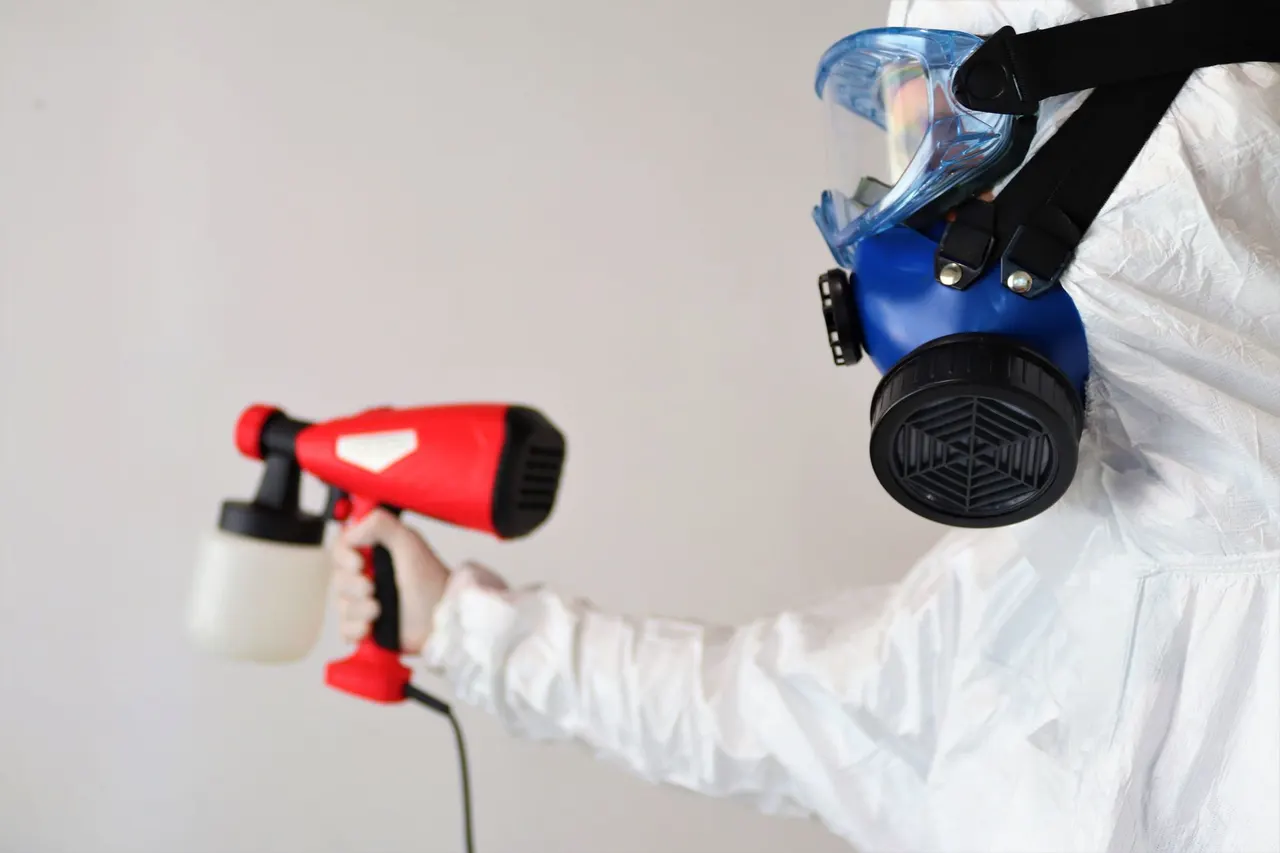
We seal the crawl space access and set up a negative air machine with HEPA filters so spores cannot migrate into the house. Technicians wear full personal protective equipment, including respirators and Tyvek suits, for the entire removal phase.
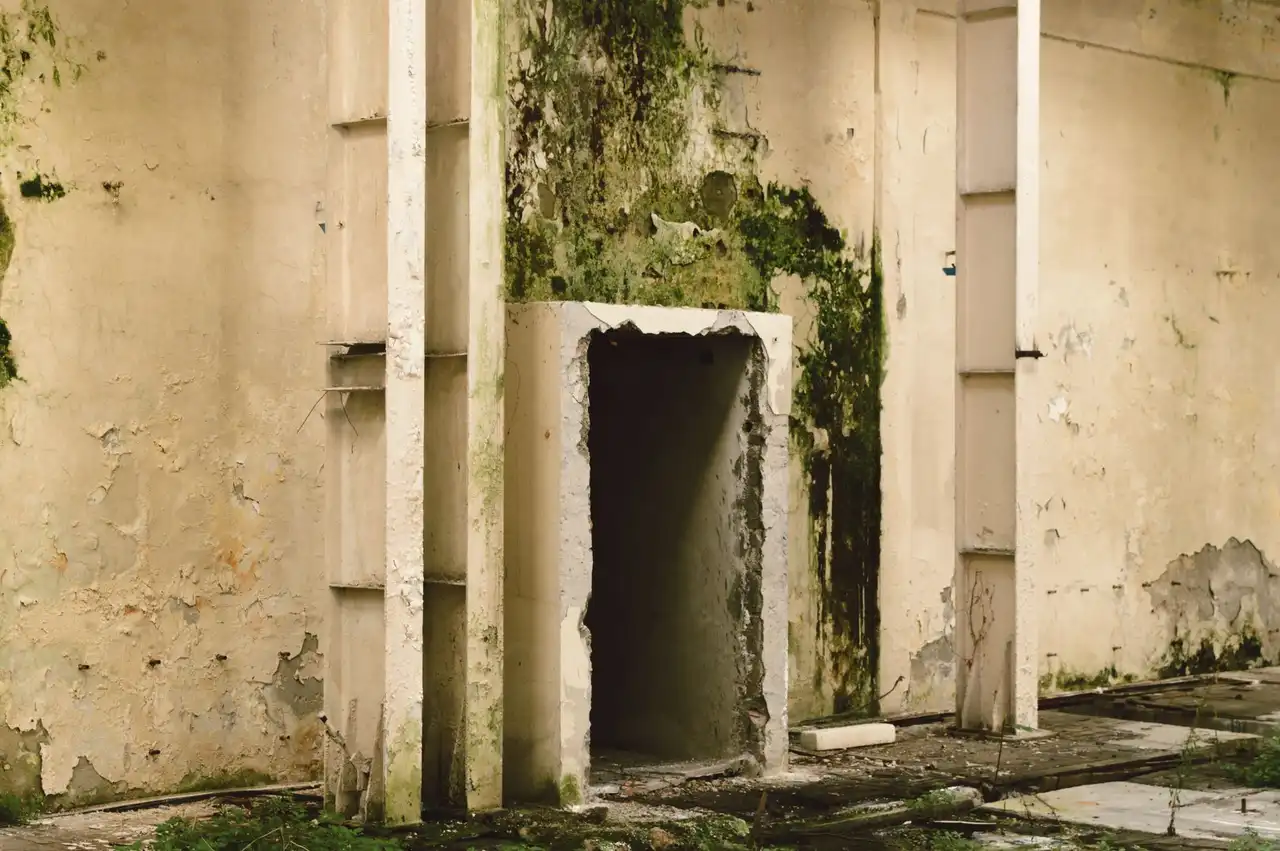
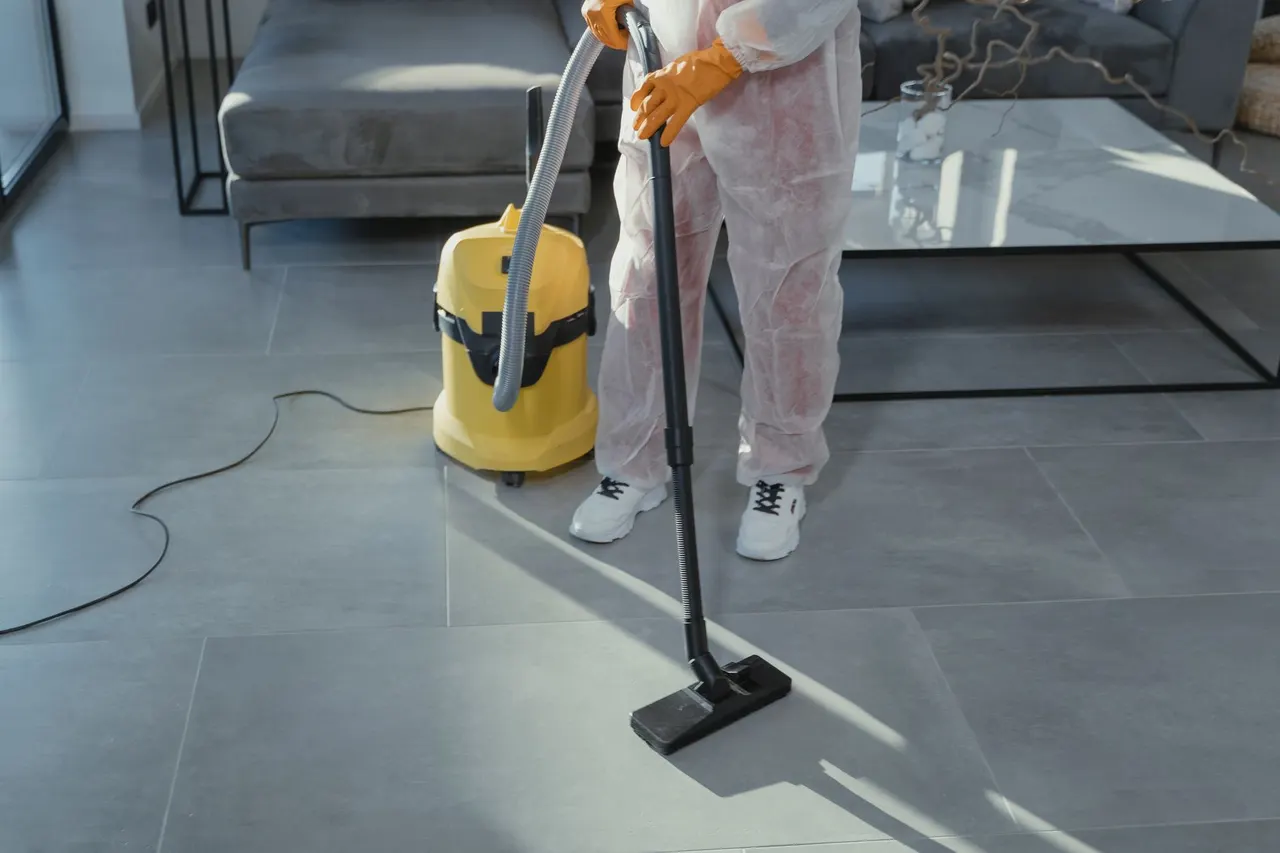
Contaminated insulation and debris go into sealed bags. We HEPA vacuum the joists, subfloor, and block walls, then scrub structural wood with an antimicrobial solution. A typical 1,200 square foot crawl space takes one to two days for this phase.
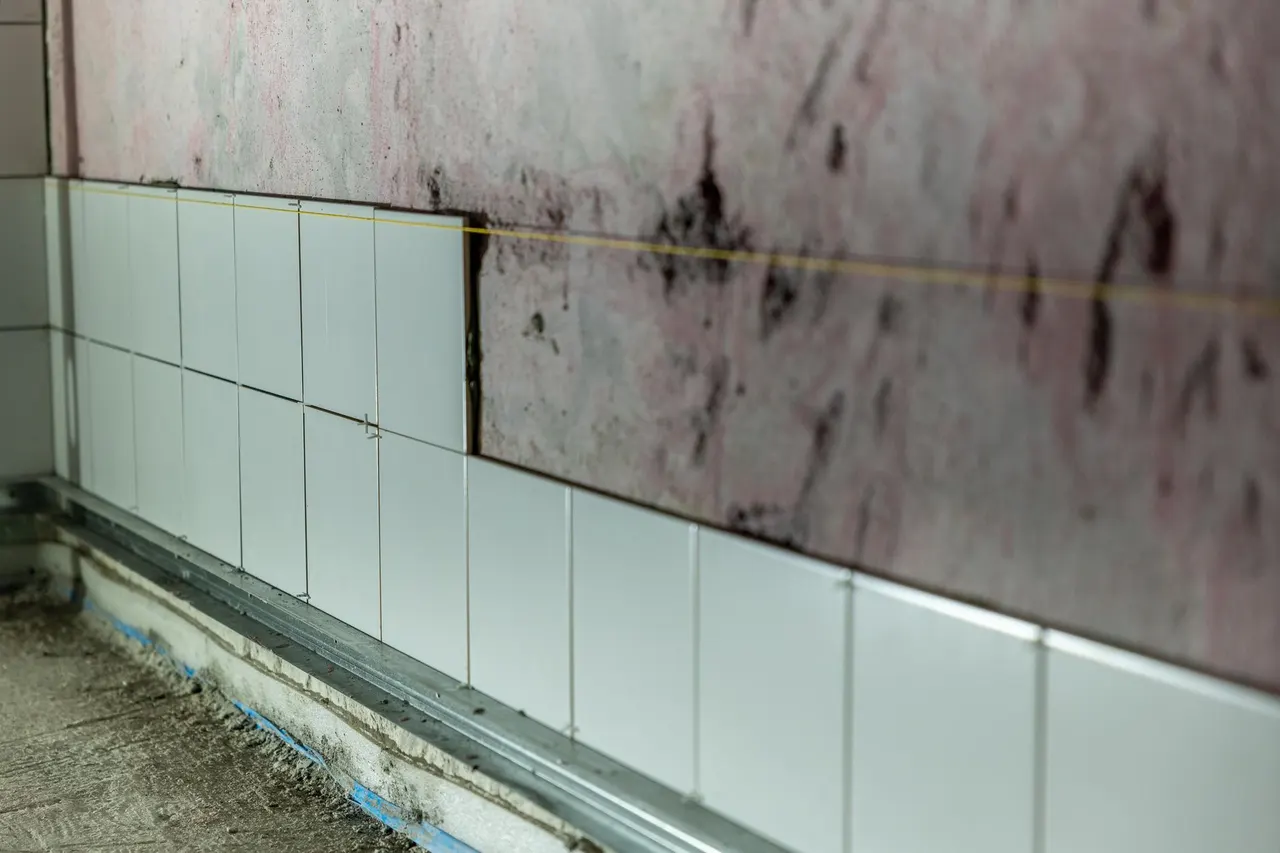
We apply a mold-specific product such as Concrobium or Fiberlock to the framing, then position air movers and a dehumidifier to bring wood moisture down below 19 percent. Drying usually runs 24 to 72 hours depending on how wet the space was.
We re-meter the wood, confirm the readings, and repair or replace the vapor barrier with a sealed encapsulation film where needed. You receive a final photo log and moisture readings so you can see the before and after in numbers.
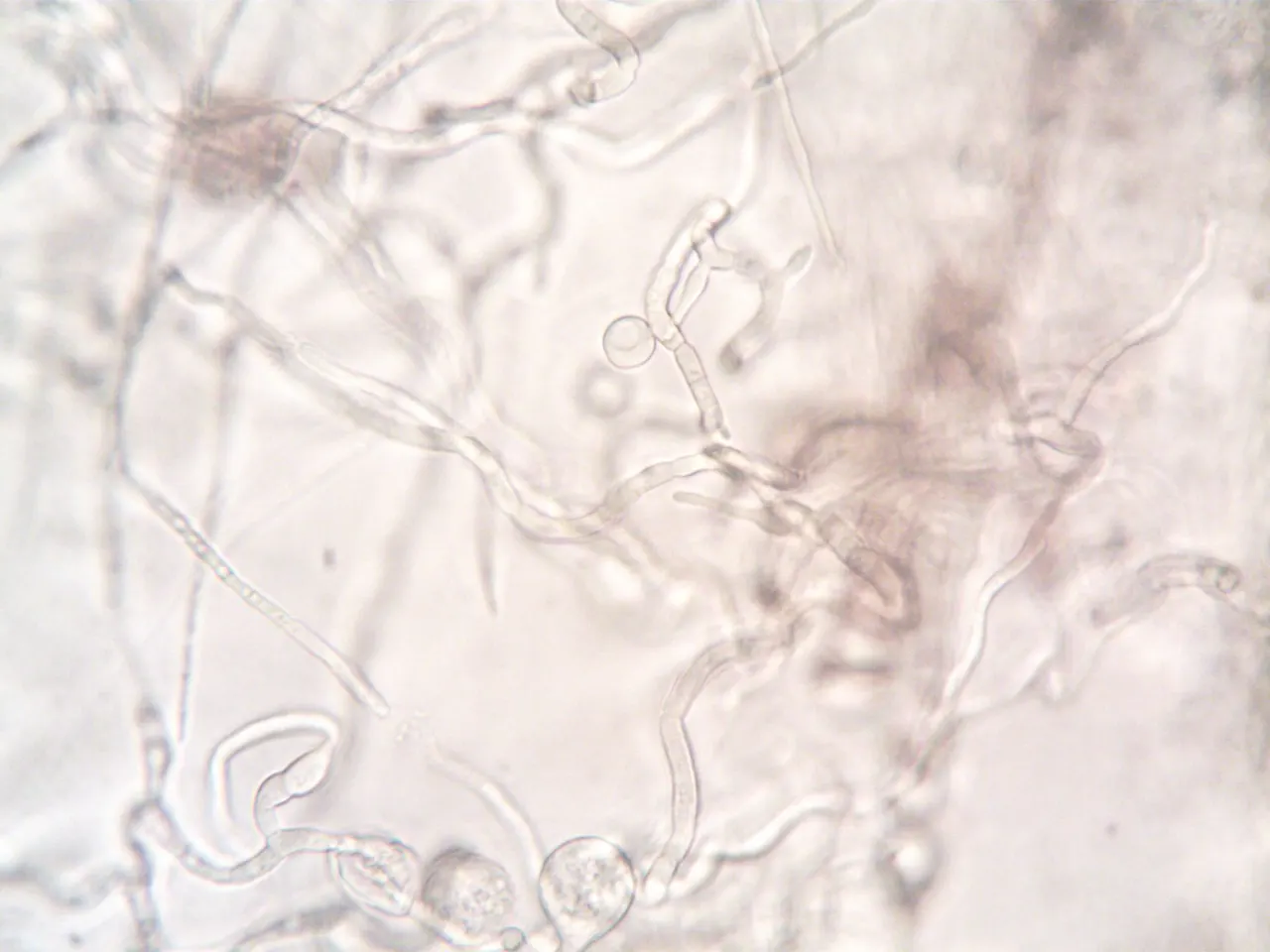
Creates negative pressure in the crawl space so spores and dust cannot drift into the living area during removal.
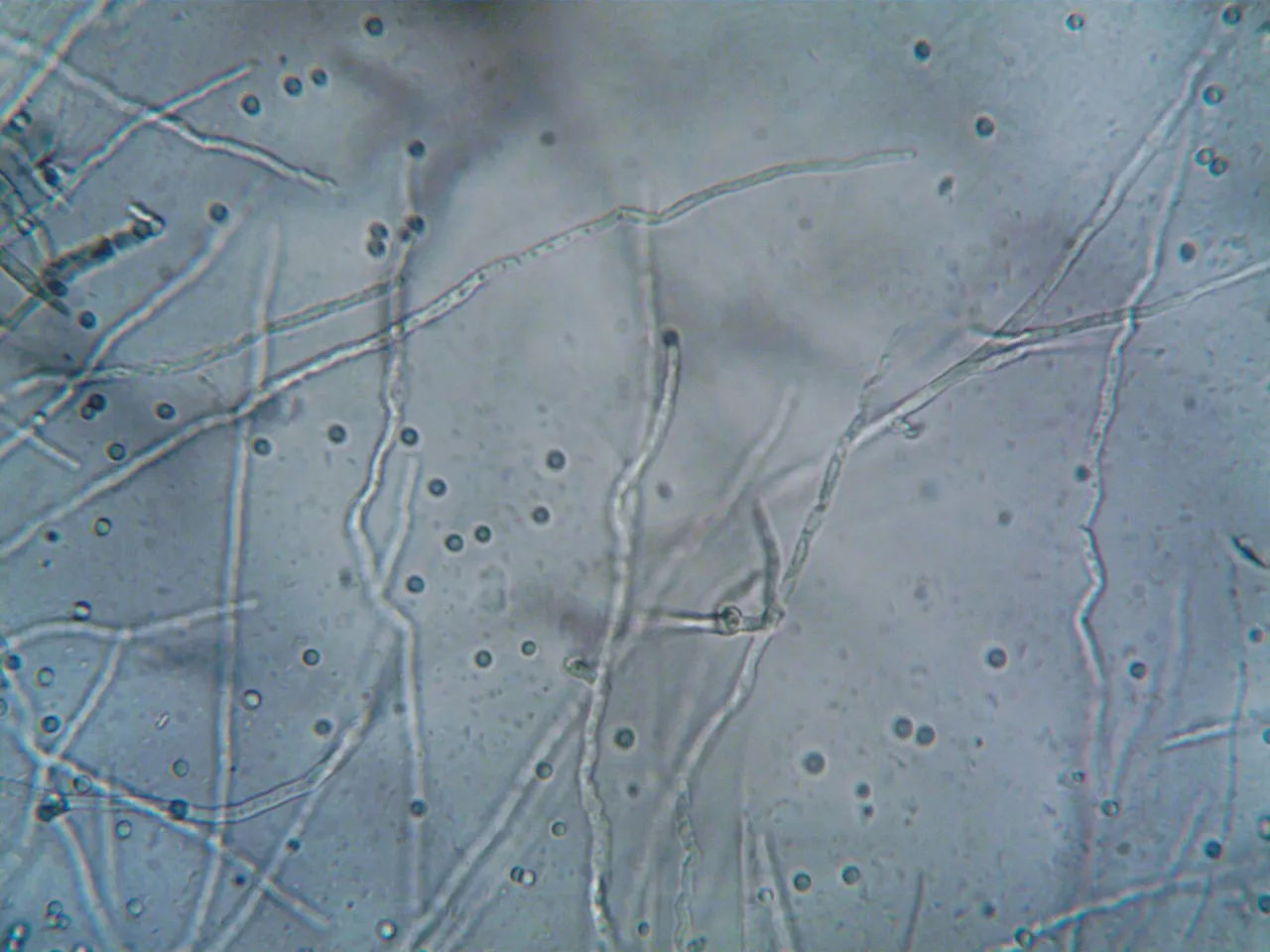
Captures mold spores and fine debris from joists, subfloor, and block walls instead of spreading them around.
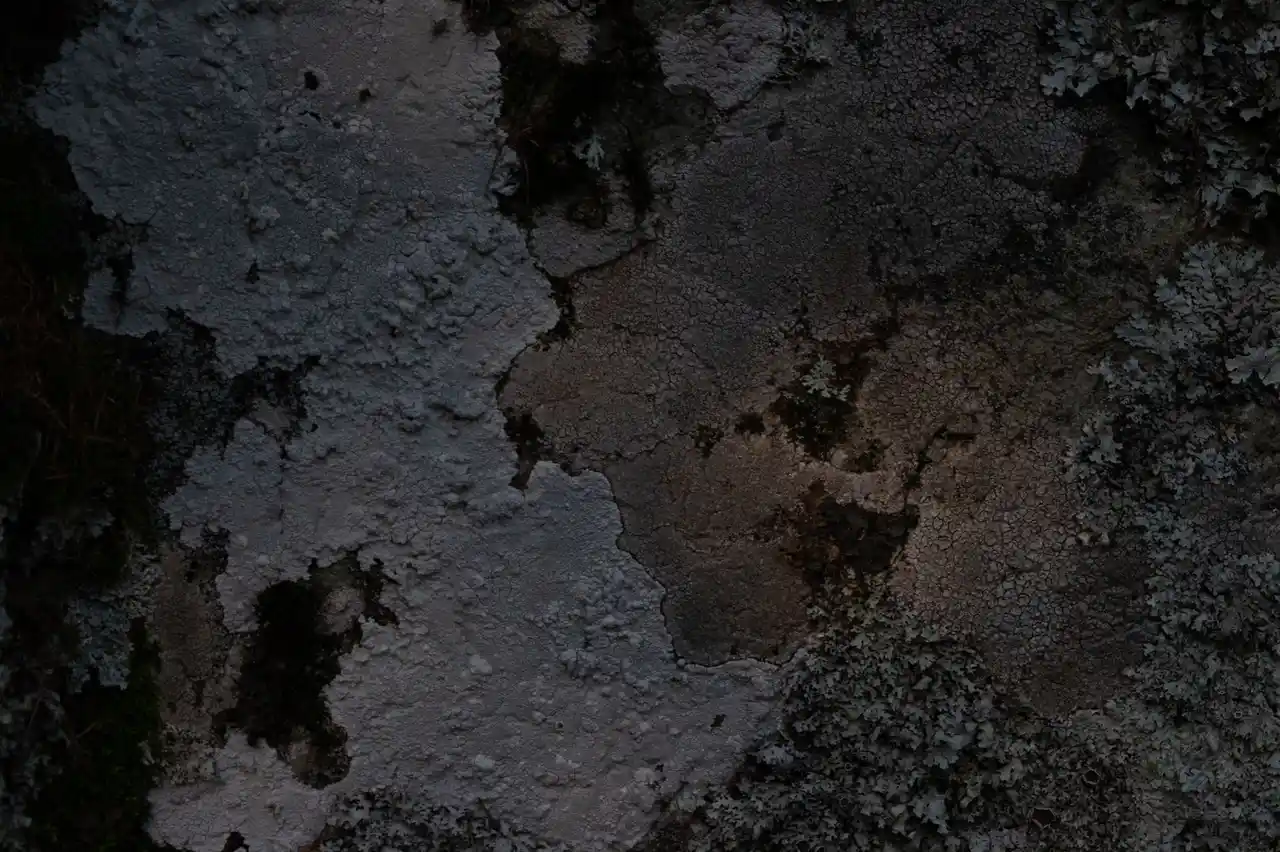
Measures wood moisture content at removal and at clearance. We target below 19 percent before we call the job dry.
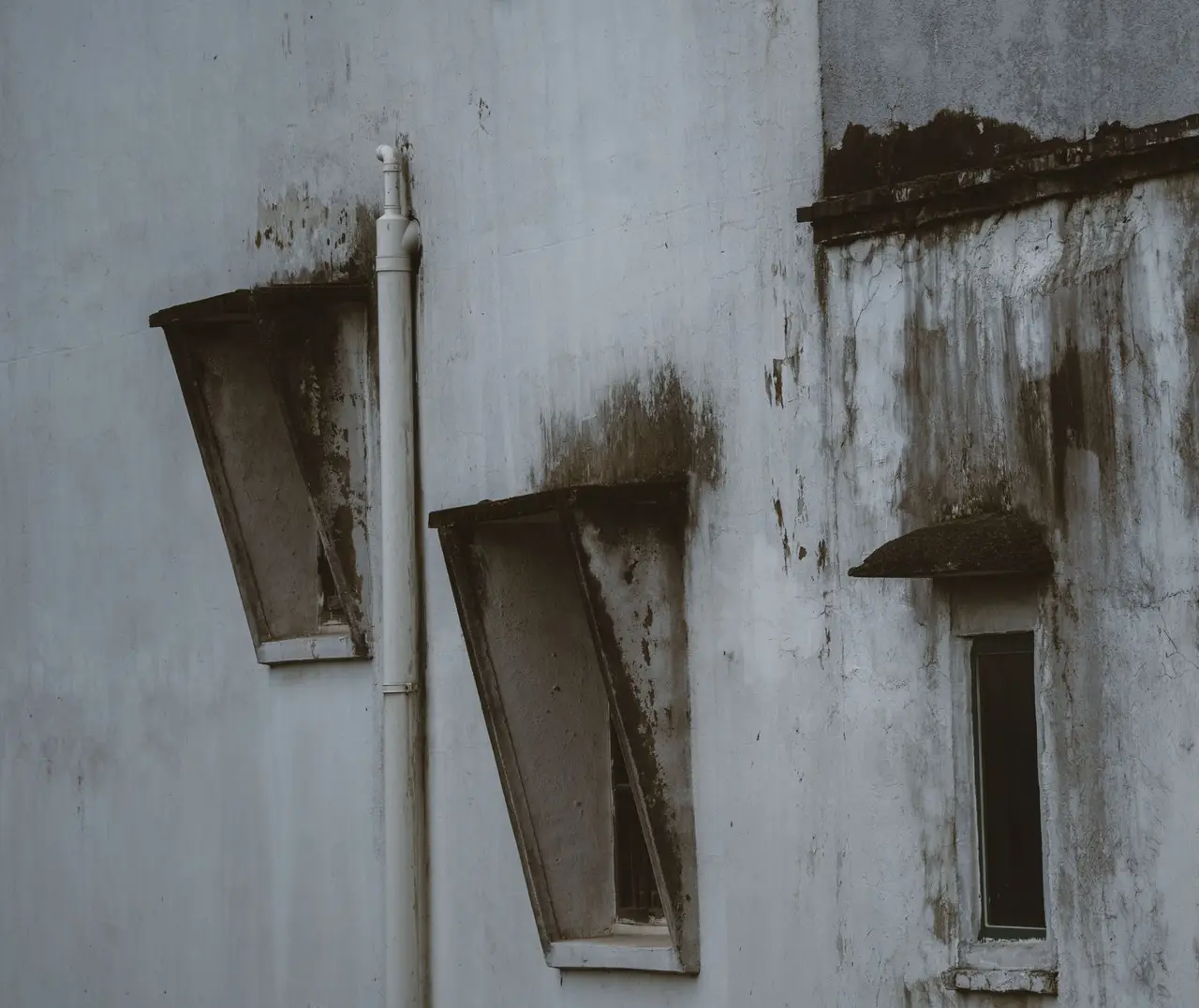
Finds cooler, wet areas behind insulation and in framing cavities where mold can hide without visible staining.
Lets us look inside wall cavities and enclosed framing without cutting open the structure.
Dries the crawl space after removal. Drying typically runs 24 to 72 hours depending on how wet the wood is.
Respirators, Tyvek suits, and gloves protect technicians from mold exposure during removal and treatment.
We follow the S520 framework for containment, removal, and verification. It is the industry standard for mold work and gives you a documented process from inspection to clearance.
We inspect the crawl space, meter the wood, and check the vapor barrier and ventilation. If mold is present, we contain the space and remove the growth. The odor source is removed, and the dry-down readings confirm the framing is below 19 percent moisture content.
We provide a written scope, photo log, and clearance readings the buyer and seller can review. Remediation is scheduled to fit the closing timeline. You get documentation showing the mold was removed and the moisture corrected, which keeps the transaction moving.
We respond with emergency containment, extraction, and drying. Once the wood is dry, we treat any colonized areas and repair the barrier. The mold is stopped before it spreads, and the structural wood is dried and documented.
We run a pre-purchase crawl space inspection with moisture mapping and thermal imaging. If we find growth, we quote remediation separately from the inspection. You know what you are buying and what the crawl space needs before you sign.
Lacey crawl spaces deal with a marine climate that keeps wood damp from fall through spring. Relative humidity in an unsealed crawl space can sit above 60 percent for months, and condensation forms on cooler joists even when there is no visible leak. Homes in older neighborhoods like Tanglewilde and Thompson Place often have thin, torn vapor barriers that let ground moisture rise. Newer builds in Horizon Pointe and Jubilee tend to have better barriers but still suffer when downspouts discharge at the foundation. We adjust our drying plan to the season: in winter we run dehumidifiers longer because the outside air is too damp to help, while in summer we can use outside air to speed drying. If you need crawl space mold cleanup service in Lacey WA during the wet months, we schedule around the weather and set expectations for drying time. We also coordinate with the WA State Department of Labor & Industries requirements for any structural repairs that come up.
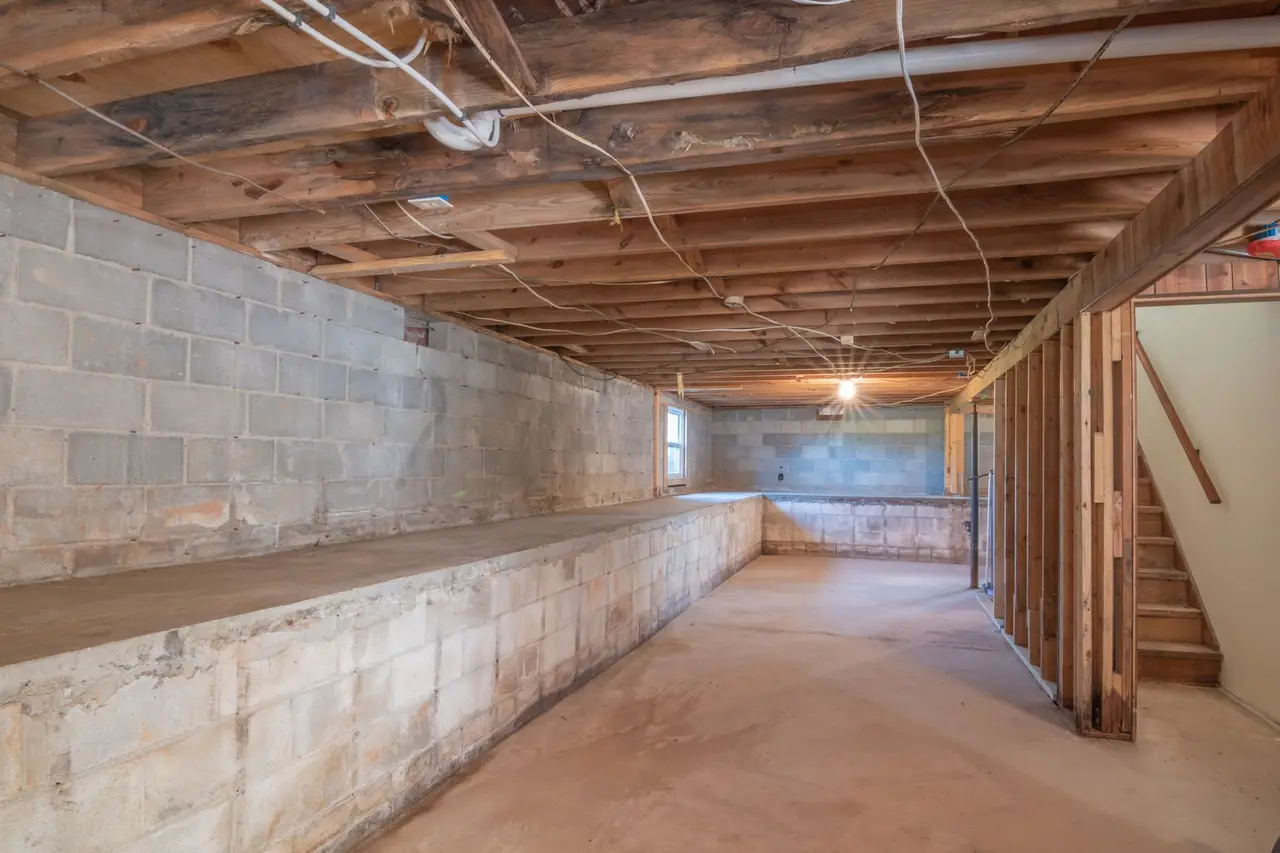
A 1,100 square foot crawl space had visible black mold on the joists and subfloor, a torn vapor barrier, and wood moisture readings of 24 to 28 percent. The homeowner reported a musty smell in the living room for two winters.
We removed the contaminated insulation, HEPA vacuumed and treated the framing, and installed a new sealed vapor barrier. Final moisture readings came in at 14 to 16 percent, and the odor was gone within a week.
The homeowner runs a small dehumidifier in the crawl space during the wettest months and checks the barrier annually for tears.
A supply line leak soaked the crawl space insulation and started mold growth on the subfloor within 48 hours. Moisture readings were above 30 percent in the affected area.
We extracted the water, removed the wet insulation, contained and HEPA vacuumed the space, and ran drying equipment for 72 hours. Final readings were below 16 percent, and the subfloor was treated and documented.
The homeowner checks the crawl space after any plumbing work and keeps the access sealed to limit humidity.
A 1,400 square foot crawl space had high humidity, condensation on the joists, and early mold growth on the subfloor. The existing vapor barrier was unsealed at the edges.
We treated the framing, sealed the vapor barrier at the walls and piers, and added ventilation corrections. Moisture readings dropped from 22 percent to 15 percent, and the musty odor stopped returning each winter.
The homeowner monitors the barrier edges and keeps gutters clear so water does not pool at the foundation.
Most crawl space mold calls start with a smell, a soft floor, or a home inspection finding. Here are the problems we see most often and how we handle them.

We locate the mold colonies, remove the contaminated materials, and dry the framing. Once the moisture source is fixed, the odor stops instead of returning every rainy season. The smell is mold and damp wood off-gassing into your living space. It gets worse in winter and can trigger allergies and headaches for people in the home.
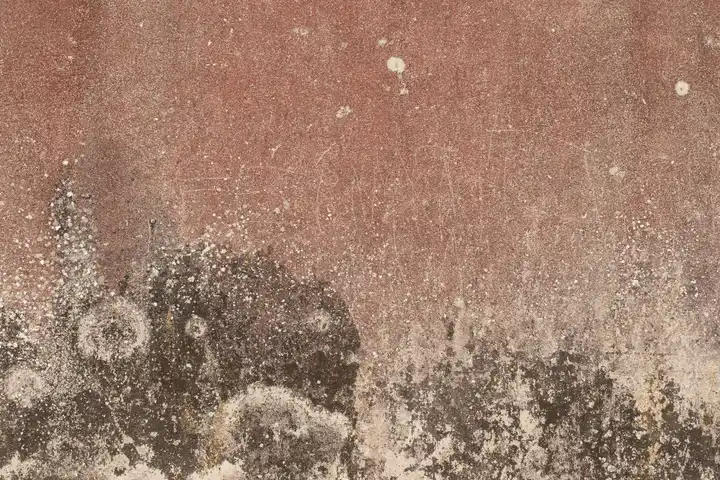
Our black mold removal process contains the area, HEPA vacuums the growth, and treats the wood with an antimicrobial. We verify with moisture readings before closing the job. Black mold on structural wood is a sign the crawl space has been wet for a while. Left alone, the wood loses strength and the repair bill grows.

We remove the old barrier, clean the ground, and install a sealed encapsulation film. A proper barrier is the single biggest factor in keeping crawl space mold from coming back. A failed vapor barrier lets ground moisture rise into the crawl space. That condensation feeds mold on the joists and insulation all winter.
We pump out the water, set up drying equipment, and trace the entry point. If grading or drainage is the cause, we explain the fix so the next storm does not repeat the problem. Standing water in the crawl space is an emergency. Mold can colonize within 24 to 48 hours, and the water damages the foundation and insulation.
Musty odors come from mold colonies and damp wood, not from the air freshener aisle. We remove the colonized materials and dry the framing to below 19 percent moisture content, so the smell stops at the source instead of getting masked.
Subfloor and joists are structural. Mold digests the wood fiber and rot follows. Catching it early with a crawl space mold remediation service Lacey Washington homeowners trust means we treat the wood before the joist loses its load capacity and a floor repair becomes a framing repair.
Air in the crawl space rises into the living space. When we run a HEPA vacuum and negative air machine during removal, we capture spores instead of pushing them upstairs. That matters most in homes with kids, allergies, or anyone with a compromised immune system.
Mold returns in a season if the moisture stays. We repair the vapor barrier, correct grading or downspout issues, and set up a dehumidifier plan where needed, so the crawl space mold treatment Lacey WA crews apply actually holds through the wet months.
Typical 2026 pricing for crawl space mold remediation in Lacey runs $1,500 to $4,500, with small contained jobs starting around $1,200 and large or heavily contaminated spaces going higher. The price depends on square footage, how much insulation and debris must be removed, whether the vapor barrier needs replacement, and how long drying takes. We inspect first and quote from the readings, so you are not guessing from a phone estimate. If you need affordable crawl space mold removal Lacey Washington homeowners can budget for, we break the scope into phases so you can see what is essential now and what can wait.
What your estimate is based on
$1,200 - $4,500 depending on scope The price covers containment, removal, treatment, drying, and clearance readings. Fixing the moisture source now is cheaper than replacing rotted joists or subfloor later, and the documentation helps with insurance and resale.
Clear records you can keep and share.
Photo log and moisture readings before work starts.
Final wood moisture numbers after drying.
Photos of vapor barrier repair or replacement.
Mold needs moisture, and crawl spaces in Lacey stay damp for months. Removing the mold without fixing the moisture source means it comes back.
Mold treatment only works if the water source is corrected. We trace the source before we treat the wood.
Wood below 19 percent moisture content resists mold growth. We meter the framing at removal and at clearance.
A sealed vapor barrier is the main defense against ground moisture. Torn or unsealed barriers let humidity rise into the framing.

Outside these areas? Call and ask, we may still cover your street. 3609950233
Most crawl space mold remediation jobs in Lacey run $1,500 to $4,500 in 2026, depending on square footage, how much insulation has to be removed, and whether the vapor barrier needs replacement. Small, contained growth can come in under $1,200. We quote after the inspection so the number reflects your actual crawl space, not a phone estimate.
The main cause is moisture that cannot escape. Lacey's wet winters push relative humidity in crawl spaces above 60 percent, and condensation forms on cooler joists. Add a torn vapor barrier, a downspout discharging at the foundation, or poor ventilation, and mold colonizes within weeks. We fix the moisture path, not just the visible growth.
It depends on the cause. Sudden water damage, like a burst pipe or appliance failure, is often covered. Long-term neglect or chronic humidity is usually excluded. We document the moisture readings and photo log so you have what your adjuster needs, and we can talk through the findings with your insurer.
A typical 1,200 square foot crawl space takes one to two days for removal and treatment, plus 24 to 72 hours of drying. Larger spaces or heavy contamination can run three to four days. You can usually stay in the home during the work because we contain the crawl space and run HEPA filtration.
If you smell musty air or see dark staining on the subfloor, get it checked before the wet season sets in. Call Lacey Mold Pros at 360-995-0233 for an inspection and a written scope. We serve Lacey, WA and the surrounding Thurston County neighborhoods.
Call 360-995-0233 or email [email protected] to book an inspection. We answer the phone during business hours and return after-hours messages first thing the next morning. Most inspections get scheduled within one business day, and we serve all of Lacey and the surrounding Thurston County area.