Written scope
Fixed price with affected areas listed
Mold treatment Lacey WA starts with finding the moisture that fed the growth, not just wiping the surface. Our crew handles mold remediation Lacey WA for crawl spaces, attics, bathrooms, and basements across Thurston County. If you smell that musty odor or see black mold on drywall, we can inspect today and give you a straight answer on what it takes to fix it.
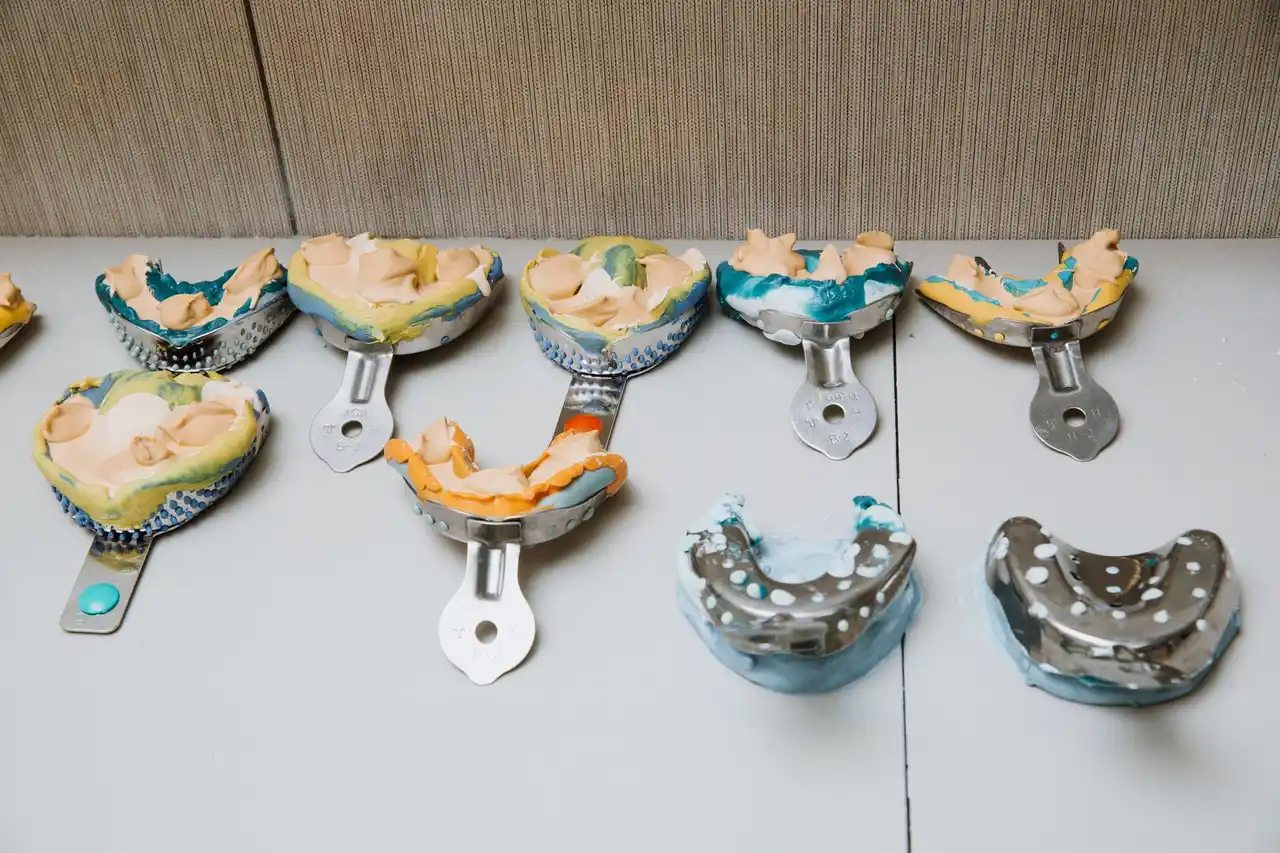
Our standard mold treatment scope covers inspection, containment, removal of colonized material, antimicrobial treatment, and drying verification. Repairs to the moisture source, like vent corrections or vapor barrier installs, are quoted in the same scope when we find them during inspection. Structural rebuild work beyond drywall replacement is quoted separately.

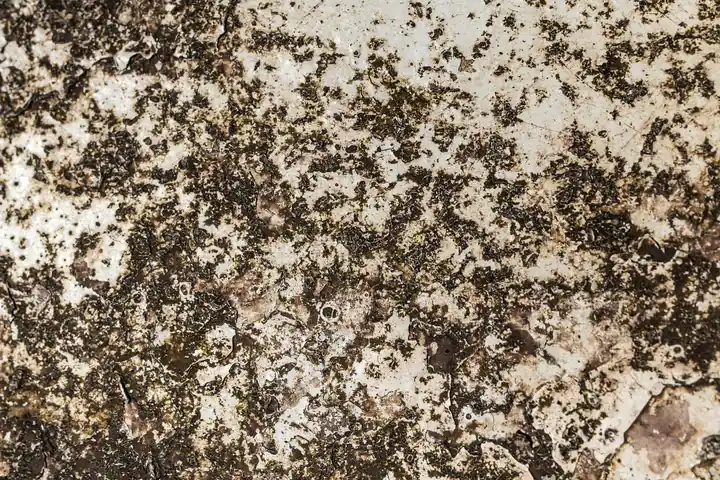
We treat mold in crawl spaces, attics, bathrooms, and basements for Lacey homeowners and tenants. Every job starts with a moisture inspection so the growth source is part of the scope, not an afterthought.
We handle mold work for rental units, small offices, and property managers who need documentation. Scopes are written with photos and readings so owners and adjusters have a clear record.
Mold treatment Lacey WA is the containment, removal, and antimicrobial process that stops active mold growth and dries the building materials it colonized. We set up negative air machines and air scrubbers with HEPA filters so spores do not spread to clean rooms while we work. Surfaces get treated with products like Concrobium or Benefect, and porous materials that cannot be saved come out. A moisture meter and thermal imaging camera tell us whether the framing is actually dry before we close anything up.
Lacey homes deal with high humidity from fall through spring, and that is when we get the most calls about mold in crawl spaces and behind walls. Water damage from a slow supply-line leak or a roof flashing failure often sits unnoticed for weeks. If you have been searching for mold treatment in Lacey WA near me, we can be at your door for an inspection and give you a written scope the same day. We also handle emergency mold treatment Lacey Washington when a pipe lets go and soaks a room.
Find the moisture, contain the growth, dry the structure, then prove it with readings.
Every job follows the same sequence so nothing gets missed and you know what is happening each day. Most residential jobs run two to four days from inspection to final clearance.

We walk the property with a moisture meter and thermal imaging camera, and use a boroscope to check inside wall cavities where we suspect hidden mold behind walls. You get a written scope with photos and a price the same day. This visit takes 60 to 90 minutes on a typical Lacey home.
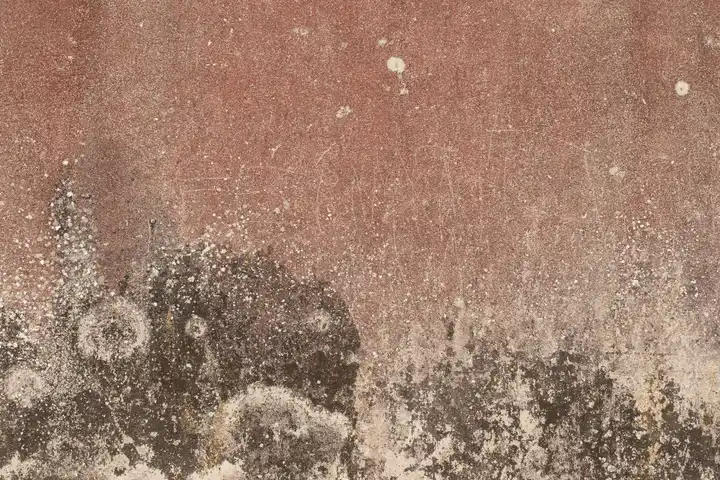
We seal the work area with poly and zip walls, then set negative air machines and air scrubbers with HEPA filters. This keeps spores from drifting into bedrooms and kitchens. Setup usually takes two to three hours depending on how many rooms are involved.

Porous materials like mold-resistant drywall that have been colonized come out and get bagged. Framing and solid surfaces get HEPA vacuumed, then treated with an antimicrobial solution such as Concrobium or Benefect. Our technicians wear personal protective equipment through the whole phase.

We run dehumidifiers and air movers until framing reads dry on the moisture meter. That usually takes 24 to 72 hours. We do not pull containment until the readings hold, and we show you the numbers so you know the structure is dry, not just the surface.

A final walkthrough confirms the work zone is clean and the moisture source is corrected. We leave you a short prevention sheet covering humidity targets, exhaust fan use, and what to watch in the crawl space. If a vapor barrier or vent repair is needed, it is already in the scope.
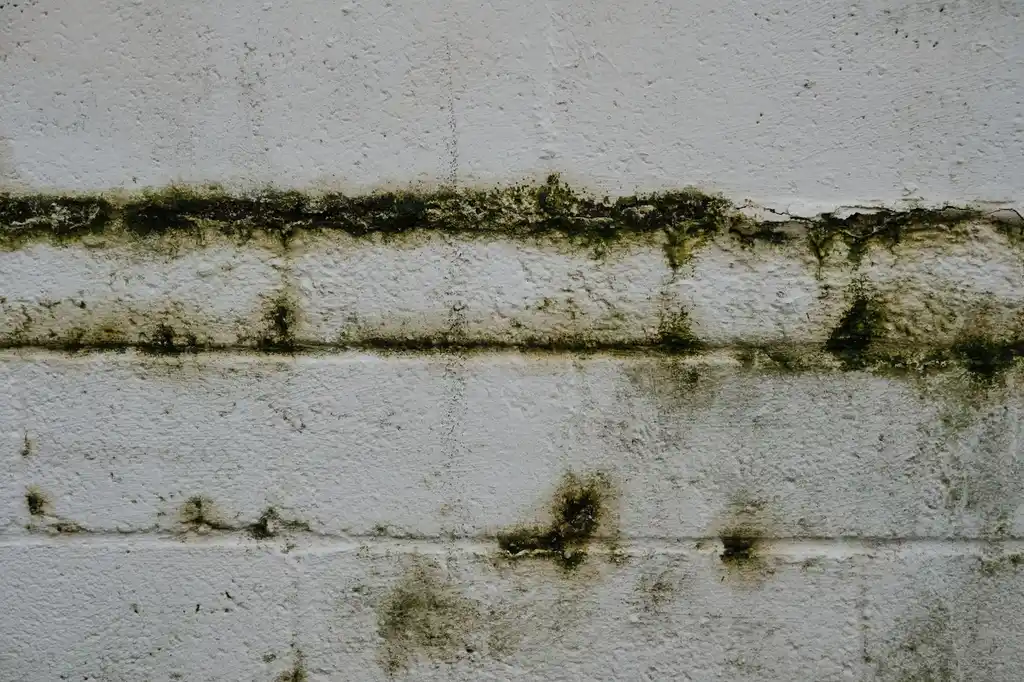
Finds temperature differences that point to wet framing behind drywall, which is where hidden mold behind walls usually starts. We scan suspect walls before opening anything.
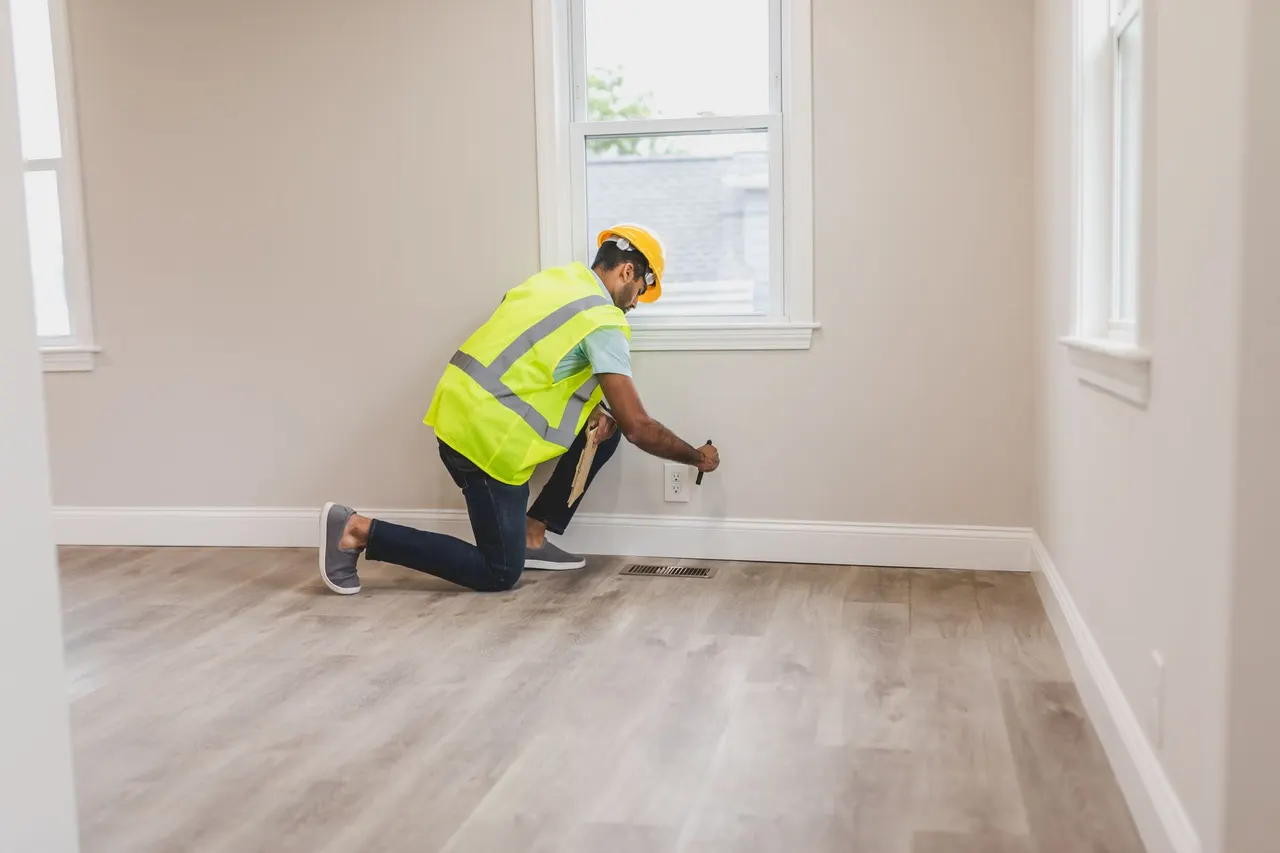
Reads moisture content in framing and drywall so we know when the structure is actually dry. We take readings at setup, daily during drying, and at containment pull.
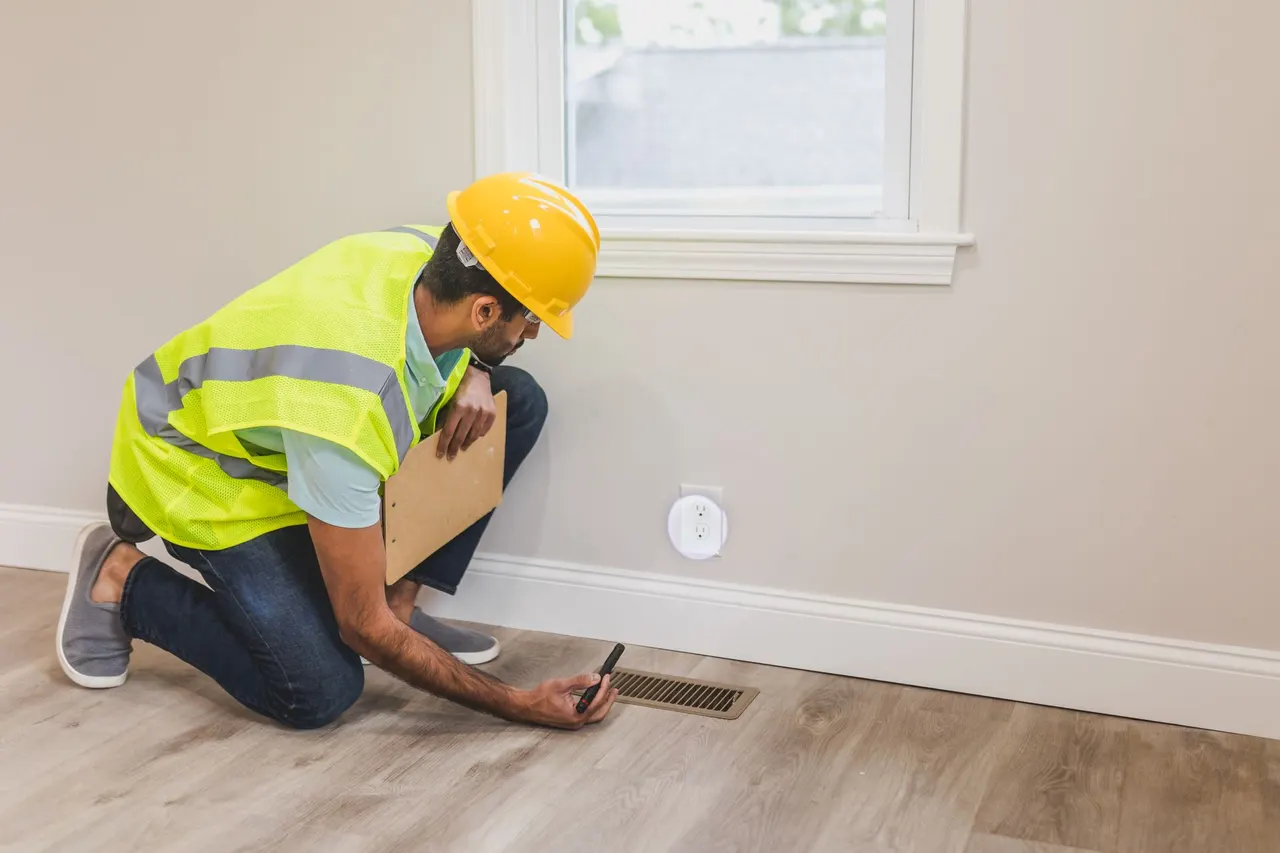
Lets us look inside wall cavities and behind cabinets without cutting a large opening. It confirms growth before we commit to demolition.
Keep the work zone under negative pressure and filter airborne spores through HEPA filters. We run them for the full job, including overnight during the drying phase.
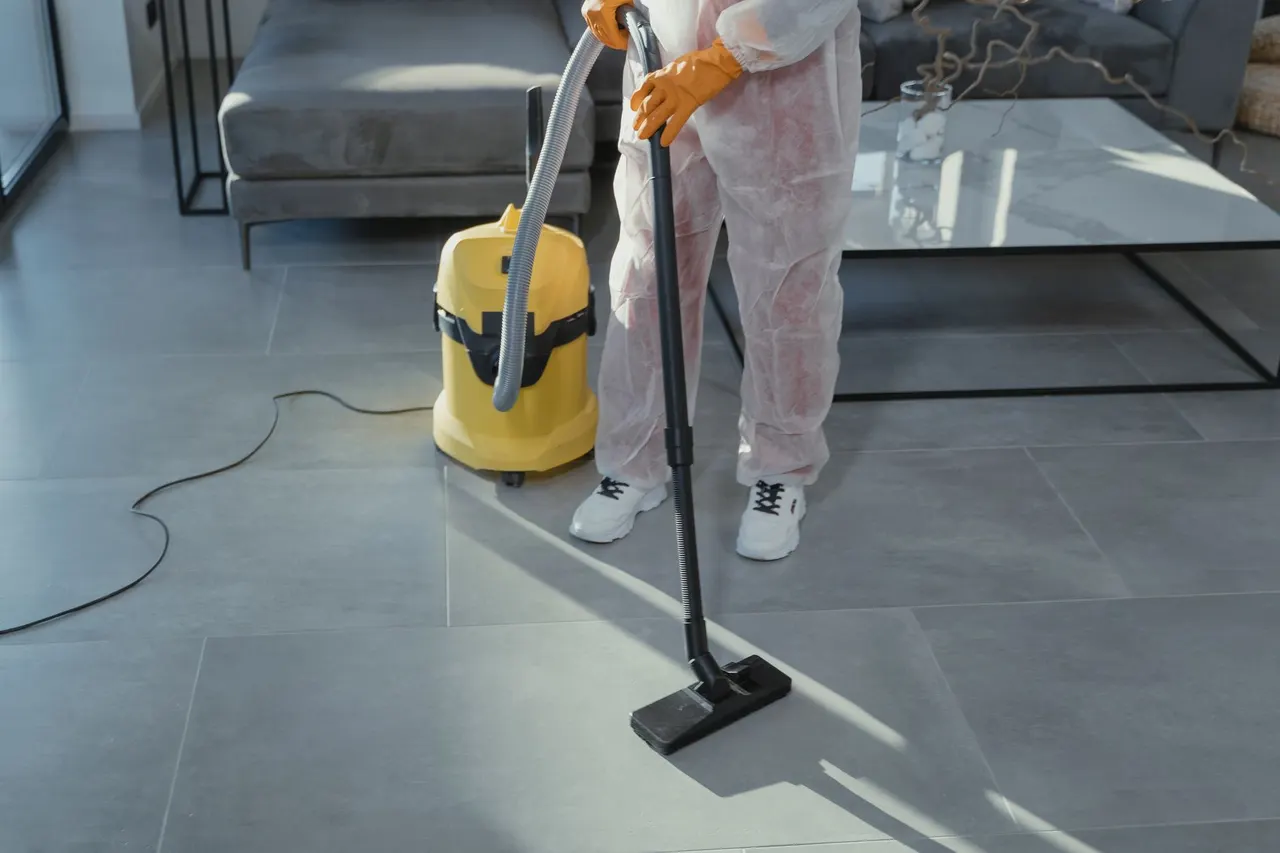
Pulls settled spores off framing and solid surfaces before treatment. Vacuuming first makes the antimicrobial solution more effective on what is left.
Dri-Eaz and Phoenix units pull moisture out of framing and move air across wet surfaces. We size the equipment to the cubic footage of the work zone.
We follow the IICRC mold remediation standard for containment, removal, and cleaning sequence. It sets the order of work so spores are controlled before material comes out, and it is the reference most insurers and adjusters recognize.

Framing and solid surfaces get treated after HEPA vacuuming. Concrobium leaves a residual that inhibits regrowth, and Benefect is a plant-based option we use where a client prefers it. Both go on after the surface is clean, not before.
We respond 24/7, extract the standing water, and set drying equipment the same visit. Once framing reads dry, we treat any growth that started in the first 48 hours. Drying in the first two days usually avoids a full remediation and keeps the job in the low four figures.
We inspect, document the growth with photos and moisture readings, and give you a written scope you can use in the negotiation. Treatment can be scheduled before closing. You go into closing with a real number instead of a contingency guess, and the crawl space is dry before you move in.
We HEPA vacuum and treat the sheathing with antimicrobial solution, then reroute the fan vent through the roof. The vent correction is part of the same scope. The attic stays dry and the staining does not return the next season, which is what happens when only the surface gets cleaned.
We inspect, treat the affected area under containment, and hand over a photo packet with before and after readings. The packet works for owner updates and insurance files. The unit is back in service in two to four days with a paper trail that answers the owner's questions.
Lacey sits in a marine climate where humidity stays high from October through April, and that drives most of the mold work we do. Crawl spaces with bare soil and fallen insulation are the number one call, followed by attic sheathing stained from bathroom fans venting up instead of out. Homes around Long Lake Area and Pattison Lake Area tend to hold more moisture because of the surrounding water and tree cover, so we often add a vapor barrier and a dehumidifier to those scopes. Older housing stock near Central Lacey and Tanglewilde frequently has undersized exhaust fans and unsealed rim joists. When we quote professional mold treatment Lacey jobs, we include the moisture correction, not just the surface treatment. If you need emergency mold treatment Lacey Washington after a pipe failure, we respond 24/7 and start extraction the same visit. We pull permits when structural repair is part of the scope and follow Washington State Department of Labor & Industries safety rules on every site.
A 1,400 square foot crawl space in Hawks Prairie had fallen insulation and visible black mold across roughly 60 percent of the joists. Moisture readings in the framing were in the high 20s, and the musty smell was reaching the hallway above.
We removed the fallen insulation, HEPA vacuumed and treated the joists with antimicrobial solution, and installed a vapor barrier over the soil. Framing readings dropped to the low teens and held for three days before we pulled containment.
Keep the crawl space access closed and check the barrier once a year for tears. Run a dehumidifier in the space during the wettest months if readings climb.
An 80 square foot bathroom in Tanglewilde had mold across the ceiling and upper wall from a fan that moved too little air. The drywall paper was compromised across about 40 square feet, and paint was peeling at the ceiling line.
We removed the affected drywall, treated the framing, and installed mold-resistant drywall. The fan was replaced with a unit sized for the room and vented through the roof. Final readings were dry and the ceiling passed the walkthrough.
Run the fan for 20 minutes after every shower and keep the bathroom door open afterward. Wipe the ceiling monthly with a mild solution to catch surface growth early.
A home near Long Lake Area had dark staining across roughly 200 square feet of attic sheathing. The bathroom fan had been venting directly into the attic for years, and the sheathing stayed damp through the winter.
We HEPA vacuumed and treated the sheathing with antimicrobial solution, then rerouted the fan vent through the roof. Sheathing moisture dropped below 15 percent within four days and stayed there through the next wet season.
Check the roof vent termination once a year and confirm the fan duct is still connected. Look for new staining on the sheathing each fall before the rain starts.
Most mold calls come down to one of a few moisture problems. Here is what we run into in Lacey and how we handle each one.
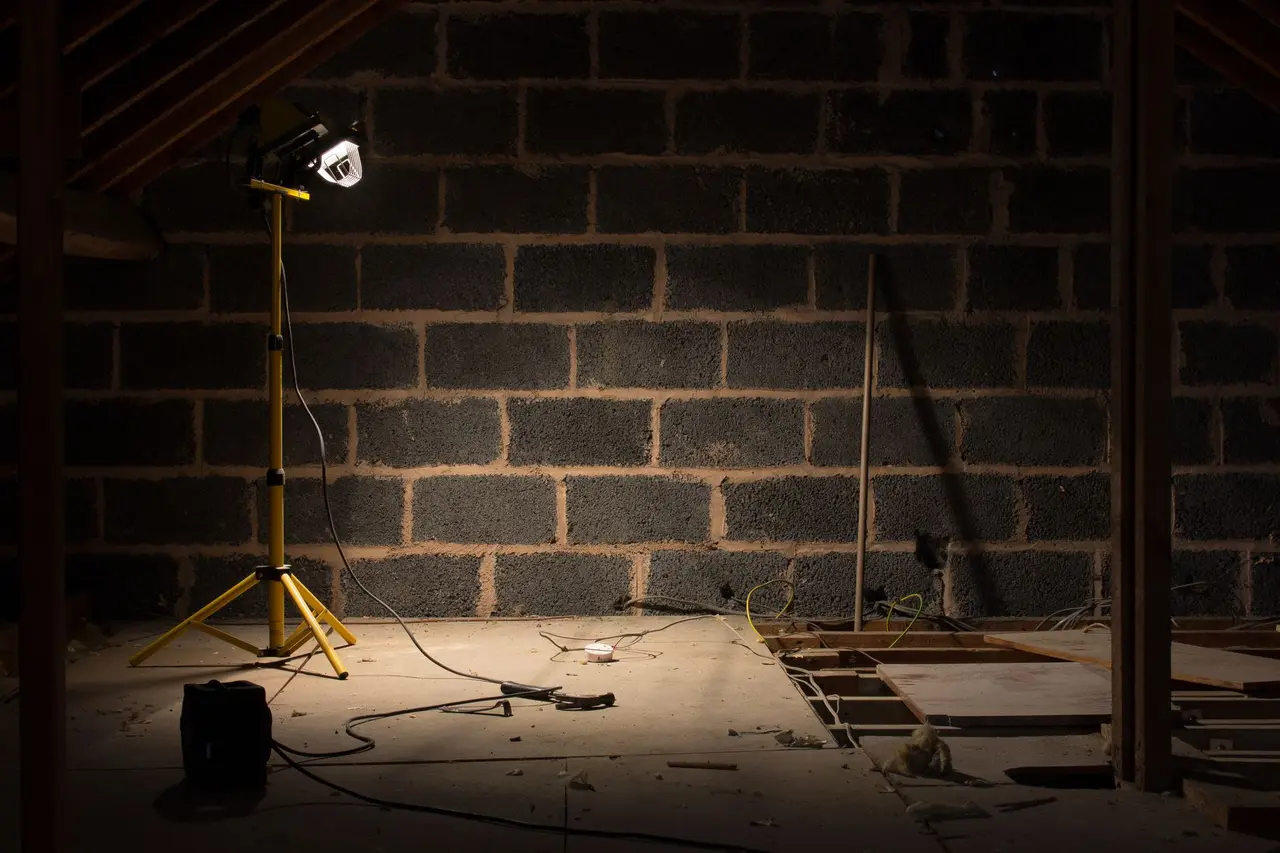
We inspect with a thermal imaging camera and boroscope to find the moisture pocket, then scope treatment for the actual growth area. You get photos of what we found so the source is not a guess. The smell usually means hidden mold behind walls or under flooring, and it gets worse each wet season. Ignoring it lets the colony spread into framing and insulation, which raises the removal cost.

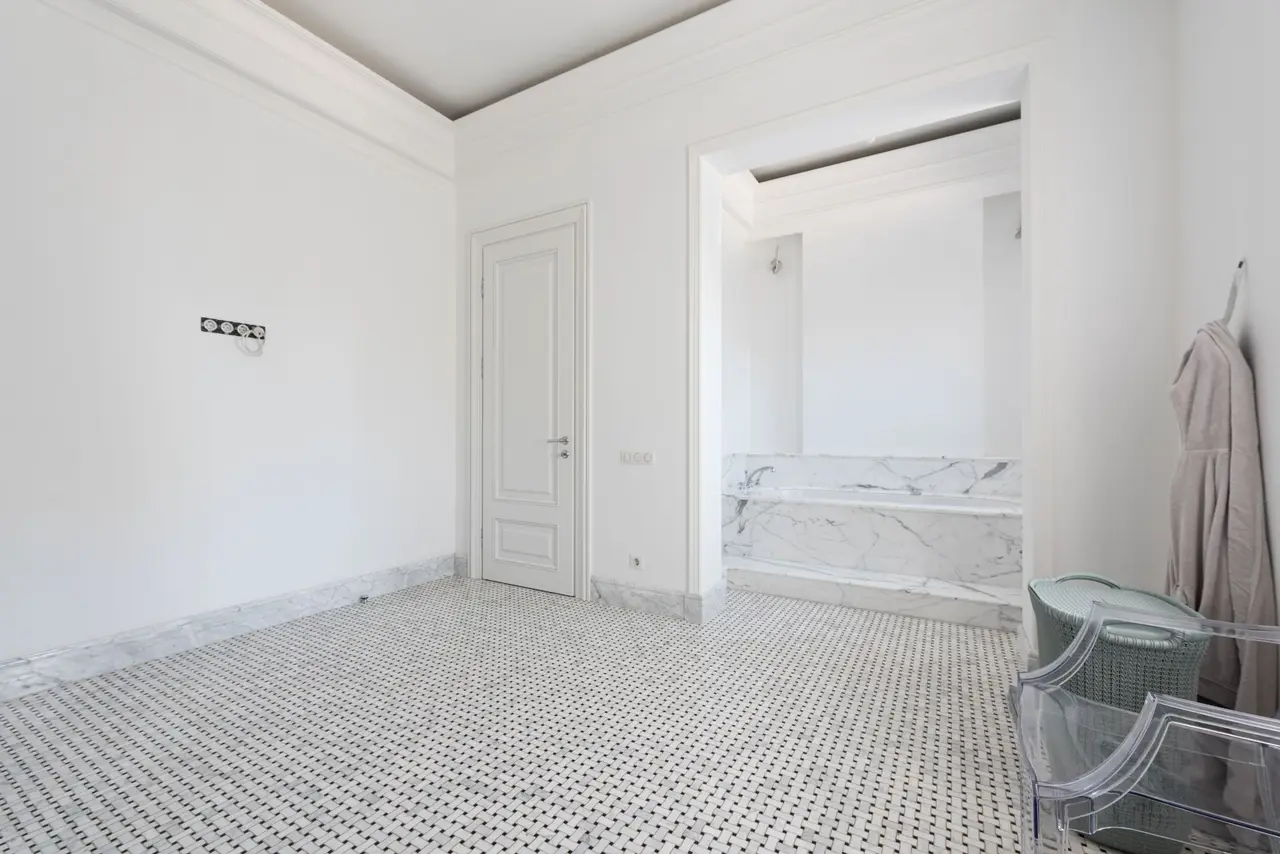
We treat and replace compromised drywall, then check the fan's airflow and vent path. If it vents into the attic, we correct the run so the moisture leaves the building instead of feeding growth above the ceiling. Bathroom mold returns every few months when the exhaust fan is undersized or venting into the attic. Repeated surface cleaning does not fix the humidity load.

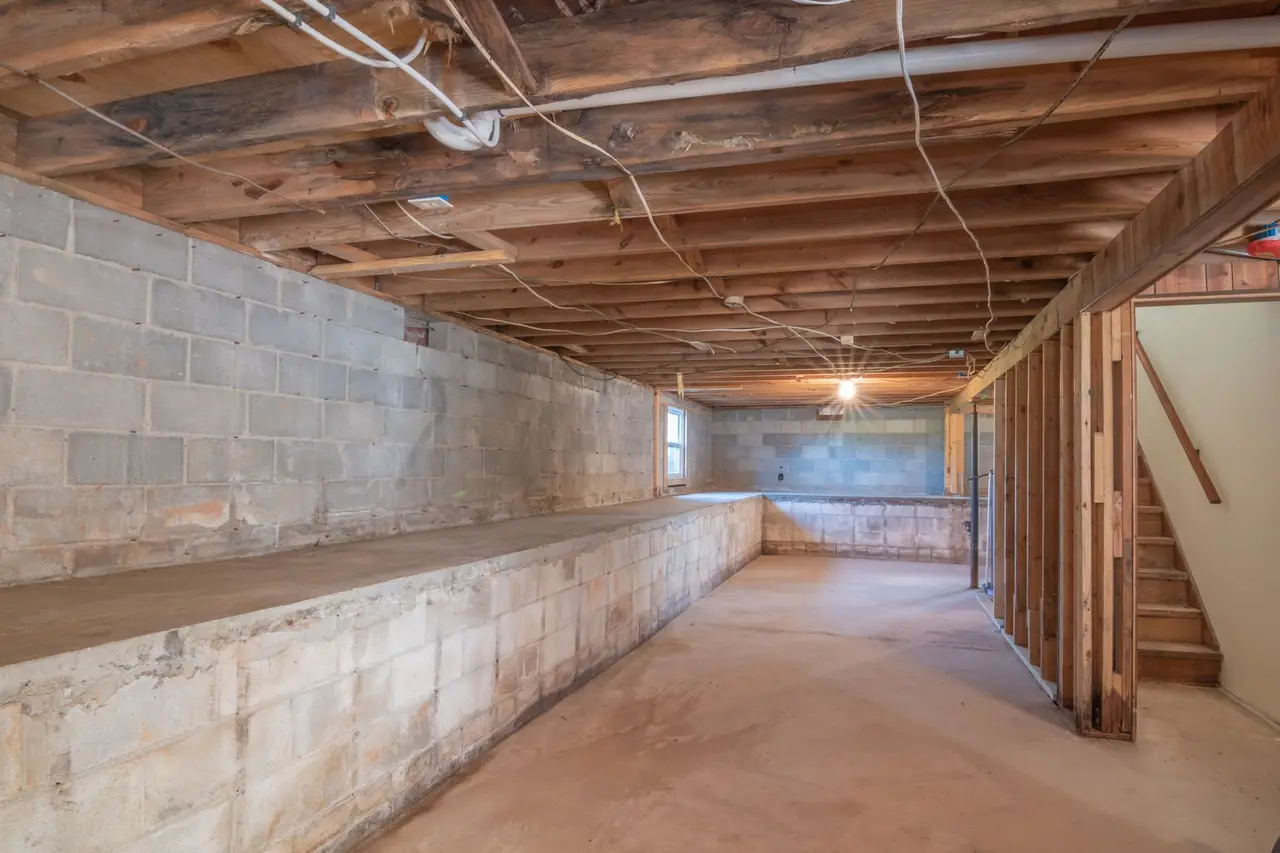
We remove fallen insulation, treat joists and subfloor with antimicrobial solution, and install vapor barrier over the soil. A dehumidifier goes in when readings stay high after the barrier is down. Fallen insulation and bare soil let humidity climb until joists stay damp. That is when mold colonizes the subfloor and the musty smell moves into the living space.
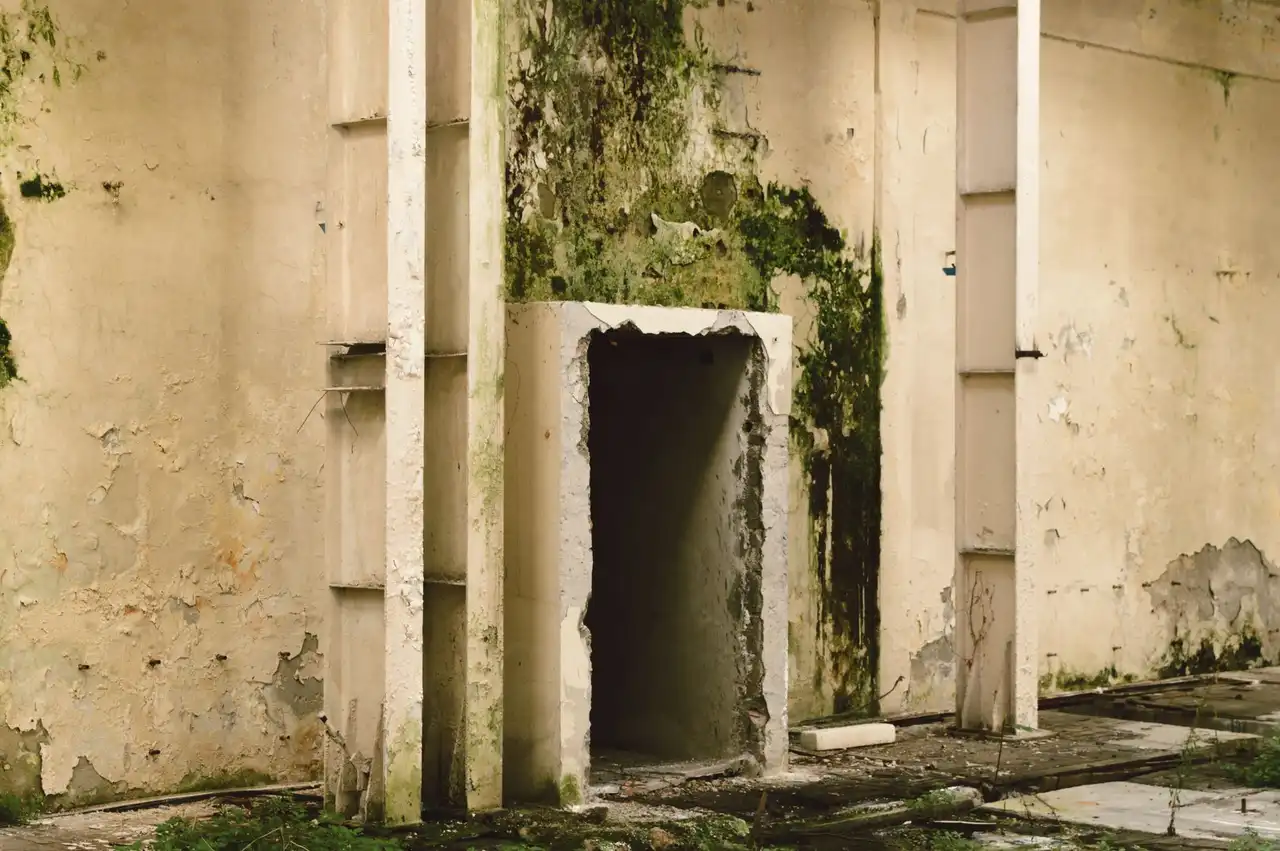
We extract and dry first, then treat the framing once readings drop. The repair to the failed line goes into the scope so the moisture feed is closed before we pull containment. A pinhole leak behind a cabinet can soak framing for weeks before it shows. By the time mold appears, the drywall and insulation are usually colonized.
We pull the moisture source into the scope, whether that is a failed vapor barrier in the crawl space or a bathroom exhaust fan venting into the attic. Treating mold without fixing the water feed means it returns in 60 to 90 days. Our scope includes the repair path so the growth does not come back.
Negative air pressure keeps spores inside the work zone. We seal doorways with 6-mil poly and run air scrubbers with HEPA filters for the full job, then verify with a moisture meter before we pull containment. Your furniture and the rest of the house stay out of the dust path.
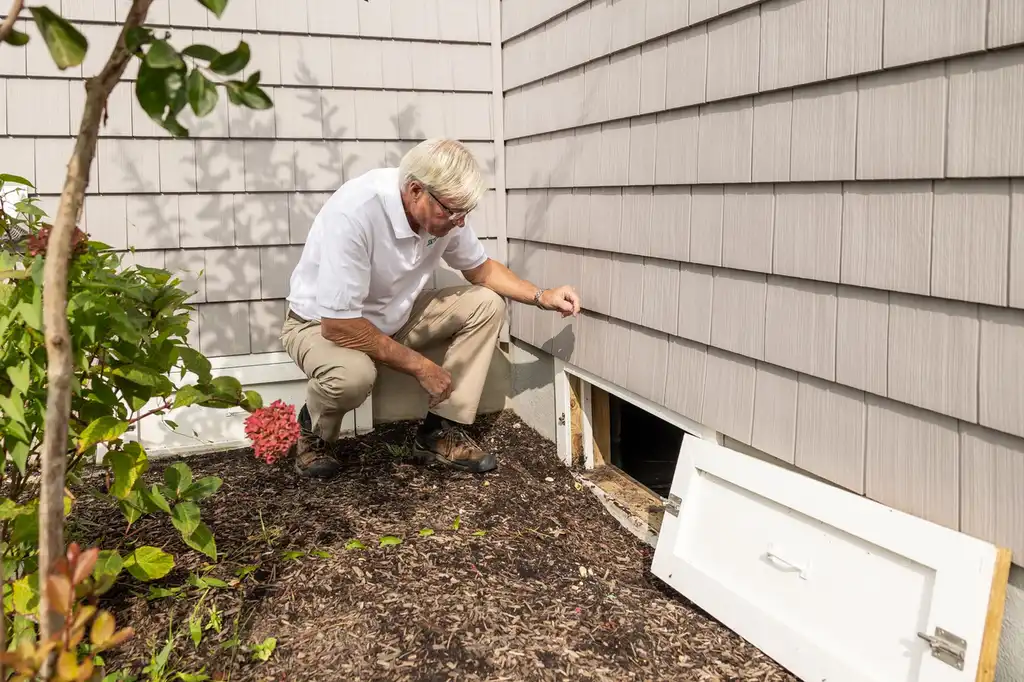
Those are the two spots Lacey homeowners call about most. We treat crawl space joists, install vapor barrier where it is missing, and clear attic sheathing with HEPA vacuum and antimicrobial solution. Both areas get documented with photos so you can see what changed.
You get a written scope with the price before we start. Affordable mold remediation Lacey Washington does not mean skipping containment or drying. It means we scope the job to what the structure actually needs and do not pad it with rooms that are already dry.
Typical 2026 pricing for mold treatment in Lacey runs $1,200 to $4,500 for most residential jobs, with small bathroom ceilings sometimes under $1,000 and large crawl space jobs at the top of the range. The price is driven by the square footage affected, how much porous material has to come out, and how many days of drying equipment the structure needs. We quote a fixed price after inspection, and the drying equipment is built into that number rather than billed daily. Affordable mold remediation Lacey Washington comes from scoping the job to what the structure actually needs.
What your estimate is based on
$1,200 - $4,500 depending on scope The fixed price covers containment, removal, antimicrobial treatment, drying equipment, and the final walkthrough with readings. You know the number before we start, and the moisture correction is in the scope so the growth does not come back next season.
Clear records you can keep and share.
Fixed price with affected areas listed
Before and after images of the work zone
Daily numbers through the drying phase
Mold treatment only holds when the moisture source is corrected. Surface cleaning without drying and source repair brings the growth back within a season.
Spores spread when a work zone is open. Negative air pressure and HEPA filtration keep the rest of the house out of the dust path.
A surface that feels dry can still hold moisture in the framing. We pull containment only when meter readings hold for the material type.
Vapor barriers, vent corrections, and leak repairs go into the scope. Treating the growth without fixing the feed is a repeat job waiting to happen.
Outside these areas? Call and ask, we may still cover your street. 3609950233
Most residential mold treatment jobs in Lacey run $1,200 to $4,500 in 2026, with crawl space and attic jobs often landing in the middle of that range. Small bathroom ceiling treatments can come in under $1,000. The price moves with square footage affected, how much porous material has to come out, and whether drying equipment is needed for multiple days.
Mold treatment is the cleaning and antimicrobial step that kills growth on surfaces and materials, while remediation is the full contained process that includes removal, drying, and clearance. In practice we do both on the same job. You cannot treat mold effectively without removing the colonized material and drying the structure, so our scope covers the whole sequence.
Yes, we schedule same-day inspections and can start treatment the same day on smaller jobs when the scope is clear. Most calls before noon get a technician on site that afternoon. For larger crawl space or attic jobs, we set containment the same day and schedule the removal phase within 24 to 48 hours.
Structural drying after mold treatment usually takes 24 to 72 hours with dehumidifiers and air movers running. We check moisture meter readings daily and do not pull containment until the framing holds dry numbers. Crawl spaces in Lacey can run toward the longer end because of our fall and winter humidity, which is why we often add a vapor barrier to the scope.
We inspect, scope, and price the job before any work starts, and we can usually be on site the same day. Call 360-995-0233 and tell us where you are seeing growth or smelling that musty odor.
Call 360-995-0233 or email [email protected] to book an inspection. We answer the phone during business hours and return after-hours messages first thing the next morning. Most inspections get scheduled within one business day, and we serve all of Lacey and the surrounding Thurston County area.