Local GuidesMold Detection
Signs of Mold Behind Your Walls in Beachcrest
Musty smells, bubbling paint, and warped baseboards are the three most reliable signs of mold behind walls in Beachcrest WA. Here is how to check and what to do next.
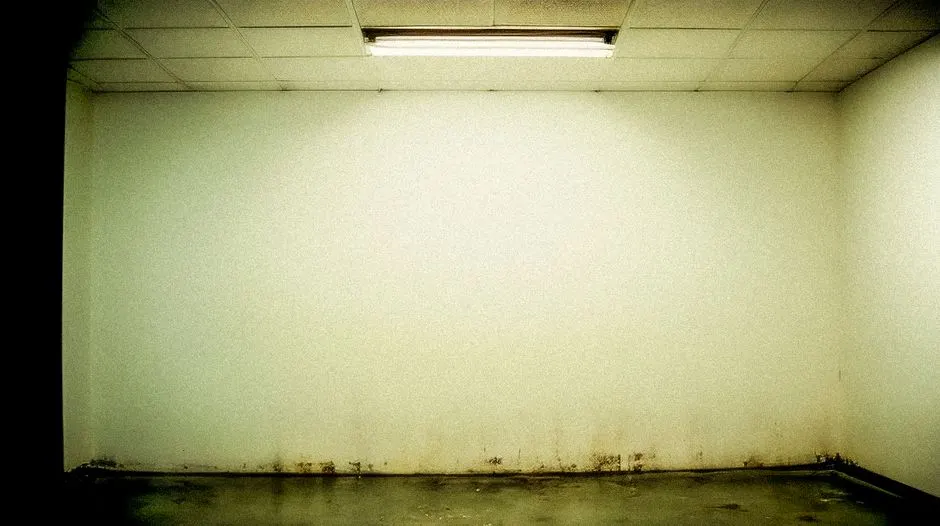
The three most reliable signs of mold behind walls in Beachcrest WA are a musty smell that never goes away, paint or drywall that bubbles and softens, and baseboards that warp or pull away from the wall. If you have two of those three, the odds are high that mold is growing on the back side of your drywall right now. This post walks through each sign, how to check for mold behind walls in Beachcrest without tearing your house apart, and the point where a hidden mold inspection in Beachcrest Washington is the cheaper move.
What are the signs of mold behind walls in Beachcrest WA?
Signs of mold behind walls in Beachcrest WA show up as sensory clues first and structural clues second. Your nose usually beats your eyes by weeks. Mold needs moisture, and in a Beachcrest house that moisture is almost always coming from a slow leak, a failed vapor barrier, or condensation on a cold exterior wall.
Here is what we look for on a first walk-through:
- A musty, earthy smell that is strongest in one room or one closet and does not fade after you air the place out. That is the single most common early signal.
- Paint that bubbles, blisters, or peels in a patch rather than evenly. Water is pushing from behind the drywall.
- Drywall that feels soft or spongy when you press it, especially near a baseboard or under a window.
- Baseboards and trim that warp, swell, or separate from the wall. Wood swells when the paper facing behind it stays damp.
- Brown or yellow water stains with a darker ring around the edge, which means the leak is active or recurring.
- Visible dark speckling along the bottom of a wall, around outlets, or in the corner behind furniture.
- Chronic allergy-type symptoms that ease when you leave the house and return when you come back.
One of those alone can be a coincidence. Two or more in the same room is a pattern, and patterns are what we investigate.
Why Beachcrest homes hide mold so well
Beachcrest sits close enough to the water and the tree canopy that exterior walls stay damp far longer than they do a few miles inland. Our wet season runs roughly October through April, and during that stretch a south- or west-facing wall can hold surface moisture for weeks at a time. Add a 1970s or 1980s build with original siding and you have a wall assembly that traps moisture between the sheathing and the interior drywall.
We see the same three failure points over and over in this neighborhood: a hose bib that drips into the wall cavity, a window flashing that was caulked instead of properly lapped, and a bathroom exhaust fan that vents into the attic instead of outside. Any one of them feeds a mold colony that you will not see until it has spread several square feet. When we handle Mold Remediation in Beachcrest, the first hour is usually spent finding which of those three is feeding the wall.
How to check for mold behind walls in Beachcrest
How to detect mold behind walls in Beachcrest without cutting holes comes down to four non-destructive checks you can do in about 20 minutes. Do them in the room that smells worst.
- Sniff the outlets. Pull the cover plate off an exterior-wall outlet and lean in. Warm, musty air moving out of the box means the cavity behind it is damp. Turn the breaker off first.
- Press the drywall. Run the back of your hand along the bottom 12 inches of the wall. Soft spots, cool spots, and slight give are all clues.
- Check the baseboard joint. Slide a thin putty knife behind the baseboard. If it comes out damp or gritty, moisture is wicking up from the plate.
- Look for the paint tell. Shine a flashlight at a low angle along the wall. Bubbling and hairline cracks that follow the drywall seams show up in raking light that you would miss head-on.
If those checks point to moisture, the next step is measurement, not demolition. A pin-type moisture meter reads the drywall and framing through a small pinhole, and anything above about 16% wood moisture content is worth investigating. That is the same threshold our technicians use on a Mold inspection Lacey WA, and it is the number that separates a paint problem from a mold problem.
If you want to confirm what species you are dealing with before anyone starts tearing out drywall, Mold testing Lacey WA gives you a lab-backed answer on whether you have a common surface mold or something that needs a more careful removal plan.
Can mold behind walls make you sick in Beachcrest Washington?
Yes, mold behind walls in Beachcrest Washington can make you sick, most often through respiratory irritation rather than infection. The symptoms people report to us are consistent: a cough or congestion that will not clear, itchy eyes, headaches, and a scratchy throat that improves within a day or two of being away from the house.
Who notices it first matters. Kids, older adults, and anyone with asthma or allergies tend to react before healthy adults do, and the reaction usually tracks to one room. If a family member feels better at school or work and worse at home, that pattern is worth acting on.
The mechanism is straightforward. A mold colony behind drywall releases spores and microbial volatile compounds into the wall cavity, and that air leaks into the living space through outlets, trim gaps, and light fixtures. You are not imagining the smell, and you are not overreacting to it. If the colony is black mold, meaning Stachybotrys chartarum, the cleanup plan changes and we treat it as a Black mold removal Lacey WA job with containment from the first hour.
What to watch out for
Most of the expensive mistakes we get called to fix were made in the first 48 hours after a homeowner noticed something wrong. Here is what to avoid.
- Painting over it. Kilz and similar stain blockers hide the stain and trap the moisture. The colony keeps growing behind the new coat and you lose the visual warning sign.
- Bleach on drywall. Bleach kills surface mold on tile and grout. It does not reach the roots inside porous drywall, and it leaves the paper facing wetter than it was.
- Running a fan without fixing the source. Air movement dries the room but does nothing about the leak inside the wall. Two weeks later you are back where you started.
- Cutting out drywall without containment. Opening a moldy cavity in an occupied room spreads spores through the whole floor. We set up negative air and plastic sheeting before a single cut is made.
- Assuming a small patch is small. What you see on the surface is usually a fraction of the colony. Mold grows into the paper facing and along the framing, and a 6-inch stain can mean 10 square feet of contaminated drywall.
One more: do not trust a moisture reading taken with a $15 pinless meter against painted drywall. Those units read the paint, not the paper behind it, and they will tell you a damp wall is dry.
When to call a professional
Call a professional when the affected area is larger than about 10 square feet, when the mold is inside a wall cavity rather than on the surface, or when anyone in the house is reacting to it. Those three conditions are past the point where a homeowner-grade cleanup works.
We handle wall mold remediation in Beachcrest WA by finding and fixing the moisture source first, then removing the contaminated drywall and insulation, then treating the framing and drying the cavity to a verified moisture level before anything gets closed back up. We test the cavity before we seal it, so you are not guessing about whether the job worked. If you are in a neighboring part of town, we run the same process on Mold Remediation in Hawks Prairie and everywhere else in the Lacey area.
Typical 2026 pricing for a contained wall cavity job in this area runs $1,200 to $3,500 depending on square footage and whether framing needs treatment. A full inspection with moisture mapping and a written scope is $250 to $450 and is credited toward the work if you hire us. We quote the job before we start, and the number does not move unless we open a wall and find something we could not see from the outside.
Frequently Asked Questions
What are the signs of mold behind walls in Beachcrest WA?
The top signs are a musty smell that stays in one room, bubbling or peeling paint, soft drywall near the floor, warped baseboards, and brown water stains with dark rings. Two or more together in the same room usually means active growth inside the cavity.
How do I check for mold behind walls in Beachcrest?
Pull an exterior-wall outlet cover and smell for mustiness, press the lower 12 inches of drywall for soft spots, and slide a putty knife behind the baseboard to check for dampness. A moisture meter reading above 16% wood moisture content warrants a professional look.
Can mold behind walls make you sick in Beachcrest Washington?
Yes. Symptoms are usually respiratory: cough, congestion, itchy eyes, headaches, and a scratchy throat that eases when you leave the house. Kids, older adults, and people with asthma or allergies typically react first, often within a few weeks of the colony establishing.
How long does mold take to grow behind drywall?
Mold can start colonizing a damp paper facing in 24 to 48 hours and become visible in 10 to 14 days. A slow leak that has been running for a month is almost always a mold job by the time it is found.
Will my insurance cover mold behind walls in Beachcrest?
Usually only when the mold traces to a sudden event like a burst pipe or supply line failure. Long-term seepage and chronic condensation are typically excluded, so document the source and call us before you file.
Get help with Mold Remediation in Lacey
If you have smelled that musty odor or found a soft spot behind the paint, we can confirm what is going on in a single visit and give you a fixed price before any drywall comes down. Our team handles Mold Remediation Lacey WA with containment, source repair, and a post-cleanup moisture check on every job.
Call Lacey Mold Pros at 360-995-0233 and describe what you are seeing. We will tell you on the phone whether it sounds like a surface issue or a wall cavity problem.