Mold Remediation in Tanglewilde Done Right the First Time

Mold Remediation in Tanglewilde starts with finding the water, not just scrubbing the stain. We work the 98503 neighborhood streets off Tanglewilde Drive and Tanglewilde Loop every week, and we know what 1970s wood-frame construction does after a wet Thurston County winter. Our technicians test, contain, remove and dry, then show you the moisture readings before we pack up. If you need Mold removal Tanglewilde WA homeowners can schedule fast, call 360-995-0233.

  • Address920 Selma St SE, Lacey, WA 98503, Lacey, Washington
  • Phone3609950233
Mold Remediation in Tanglewilde

Serving Tanglewilde and nearby

  • Readings firstNumbers before any quote
  • Sealed debrisBags leave through the work zone
  • Photos on fileBefore and after documentation
  • Final verificationDry standard confirmed in writing

Mold Remediation in Tanglewilde by a Local Crew

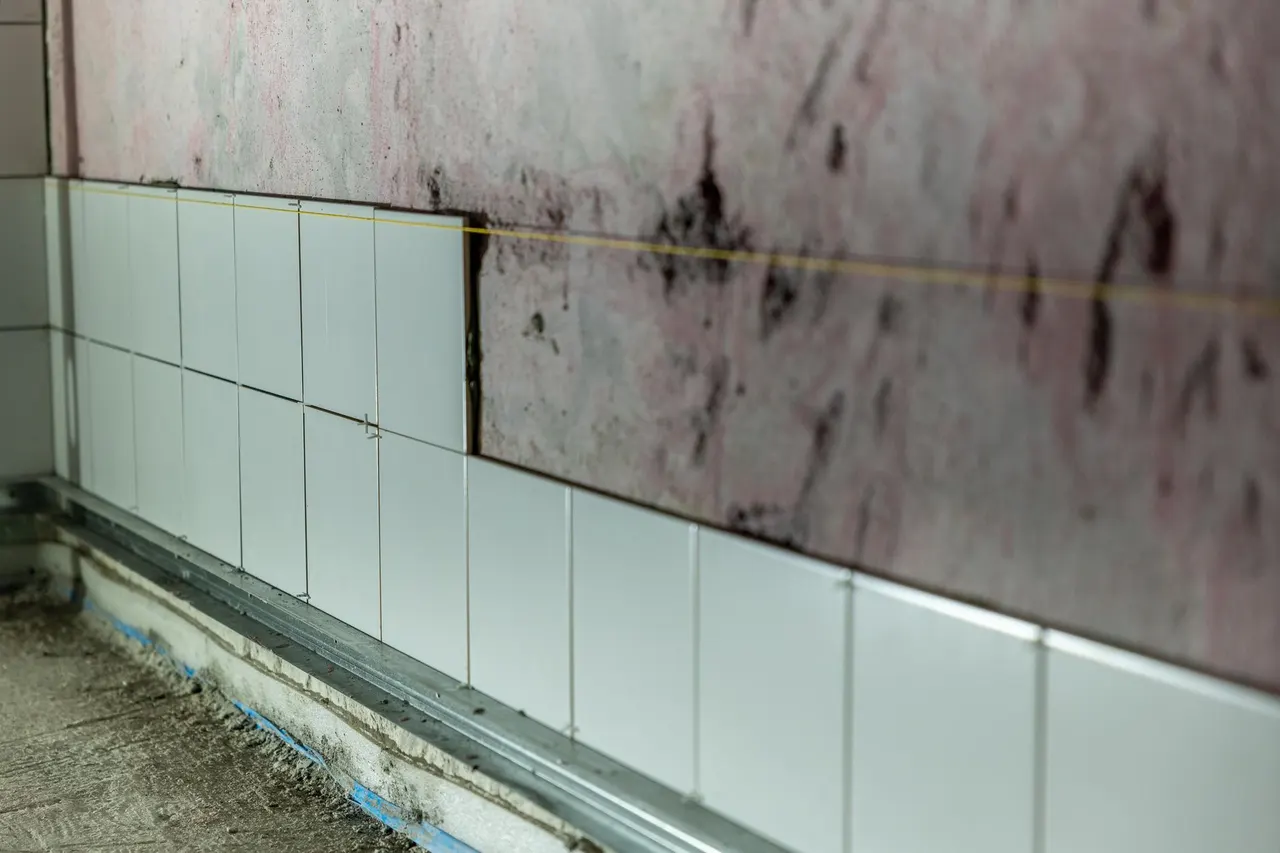
Mold Remediation in Tanglewilde is the work of finding where water is getting into a house, removing the mold growth it fed, and drying the structure so it does not come back. That matters here because most of Tanglewilde was built in the 1960s and 1970s with wood-frame walls, crawl spaces and minimal vapor barriers. Add mature landscaping that keeps soil and roof runoff close to the foundation, plus Thurston County humidity that hangs around nine months of the year, and you get a neighborhood where crawl space mold and attic mold are common rather than rare. Lacey Mold Pros has worked this area since 2018. We have crawled under homes near Tanglewilde Park, pulled saturated insulation out of attics off Tanglewilde Court, and dried bathrooms in the older ranch houses along Tanglewilde Drive. We are not a franchise dispatch line. The crew that inspects your house is the crew that remediates it, and we use moisture meters, thermal imaging cameras and boroscopes to confirm the problem is actually gone before we call the job finished.

Tanglewilde sits in a pocket of Lacey where the housing stock is older than most of the surrounding subdivisions, and that changes the work. Original single-pane windows sweat through winter. Crawl space vents were sized for a drier climate. Roofs are often on their second or third layer of shingles, and small leaks go unnoticed until a ceiling stain shows up in February. We serve this neighborhood because the demand is steady and the fixes are specific: vapor barriers, ventilation corrections, insulation replacement and targeted mold cleanup rather than a blanket tear-out. We also get a lot of calls from people buying a Tanglewilde home who want mold testing before closing.
Mold Remediation Services Available in Tanglewilde

Tanglewilde calls us for the same handful of problems year after year: crawl space mold, attic mold from roof leaks, bathroom mold behind tile, and musty odors that turn out to be hidden mold behind walls. If you have been searching for affordable Mold Remediation in Tanglewilde near me, the honest answer is that price depends on how much material has to come out and how wet the framing is. We test first so you are not paying to replace drywall that only needed drying. Every service below is delivered by our own crew, not subcontracted.

How each service works in Tanglewilde

Mold removal in Tanglewilde

Mold removal in Tanglewilde

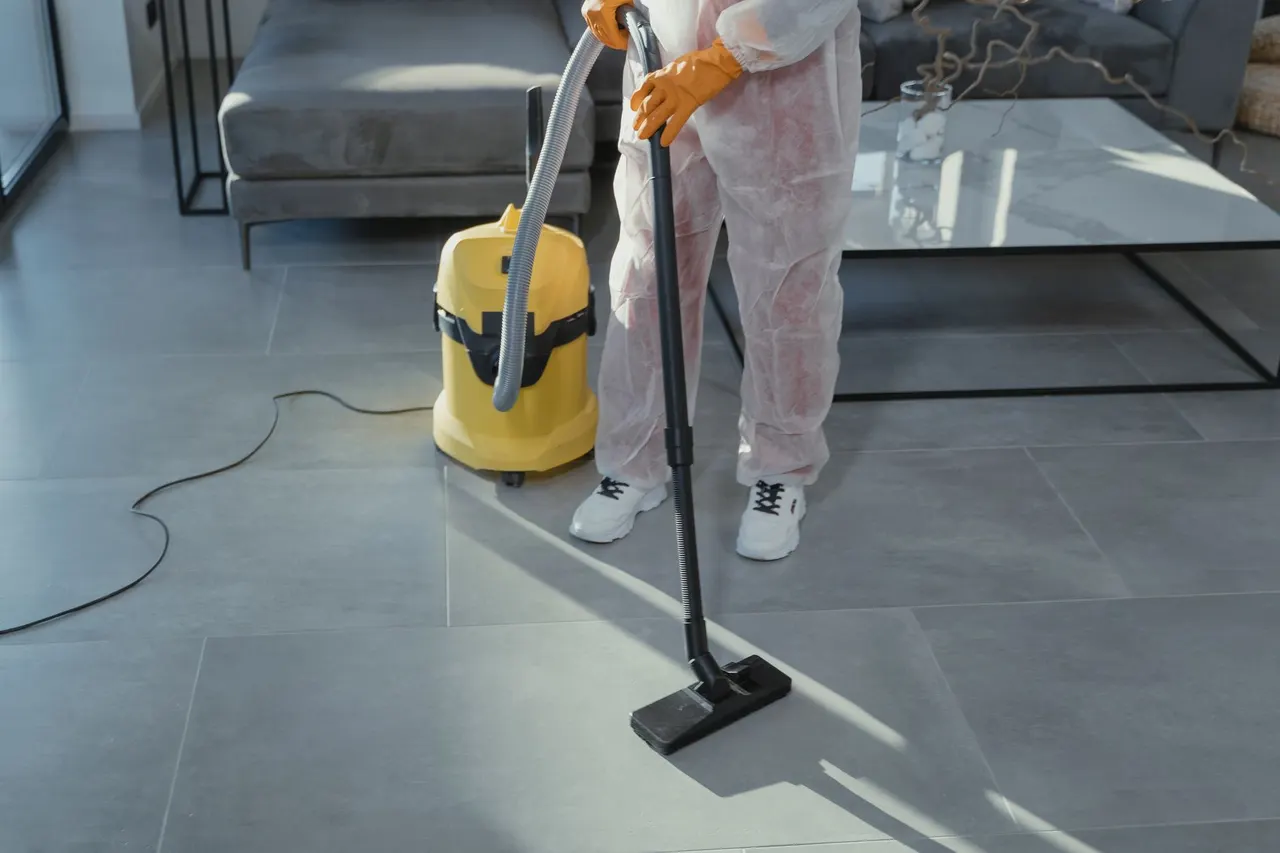
We cut out contaminated drywall, insulation and subfloor and haul it away in sealed bags. In the older ranch homes here, growth often hides on the back of baseboard drywall where a slow leak has been running. We set negative air machines and HEPA filters before demolition starts.

  • Sealed debris removal
  • HEPA filtration on site
  • Framing cleaned and treated
For homes in Tanglewilde

For homes in Tanglewilde

We work in the ranch and split-level homes that make up most of Tanglewilde. Crawl spaces, attics and hall bathrooms are where we find the most growth.

  • Crawl space vapor barrier installs
  • Attic sheathing cleaning and venting
  • Bathroom leak and mold repair
  • Wall cavity drying after leaks
For businesses in Tanglewilde

For businesses in Tanglewilde

We handle mold work in small commercial spaces along the Pacific Avenue corridor. Roof leaks and plumbing failures are the usual causes.

  • Retail back room mold cleanup
  • Office ceiling grid remediation
  • Restaurant storage area drying
  • Property management documentation

Common Mold Problems in Tanglewilde

Mold Remediation in Tanglewilde is shaped by three things: the age of the housing stock, the wet marine climate, and the way these homes were built. Most of the neighborhood went up before modern vapor barriers and mechanical ventilation were standard. Combine that with Thurston County rain from October through May and you get predictable problem areas. Here are the four we run into most.

  • Crawl space mold from exposed soil

    Crawl space mold from exposed soil

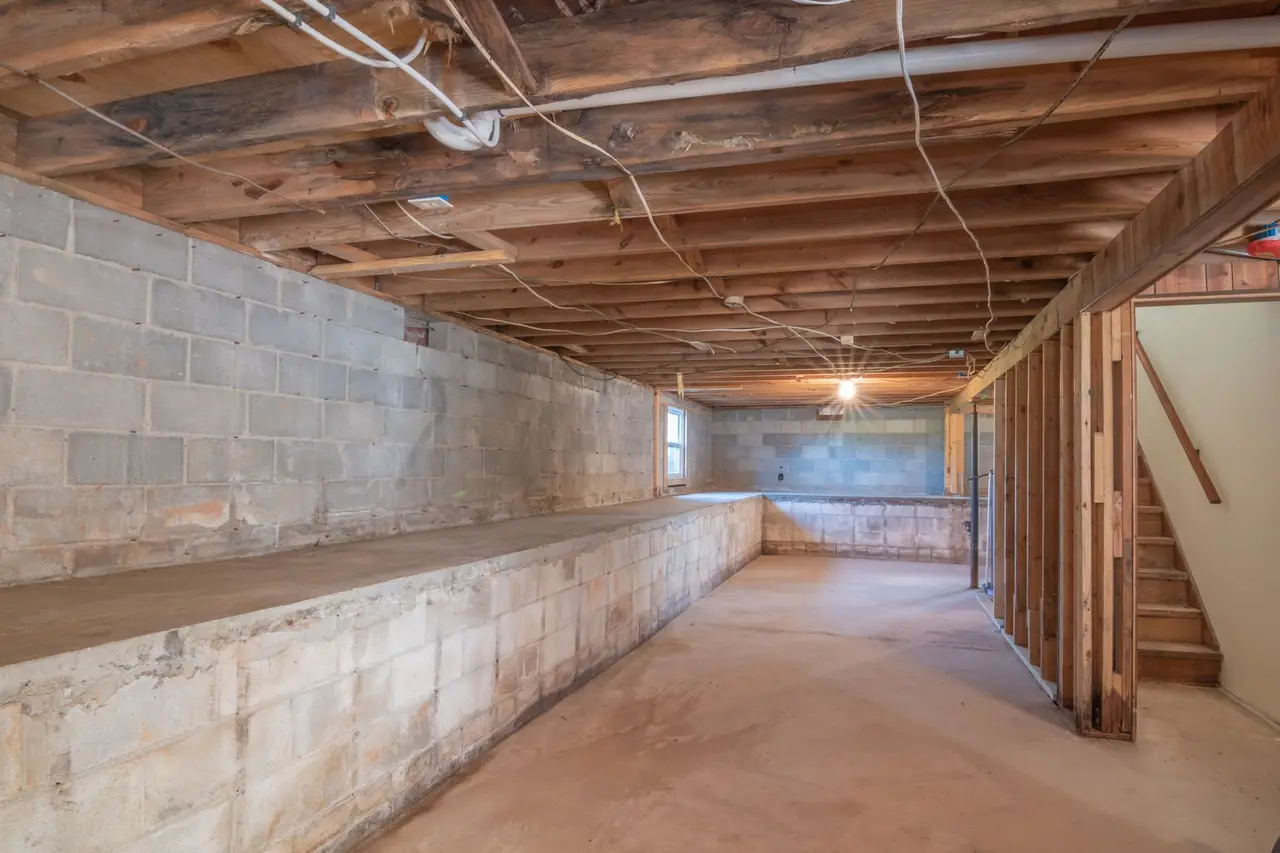
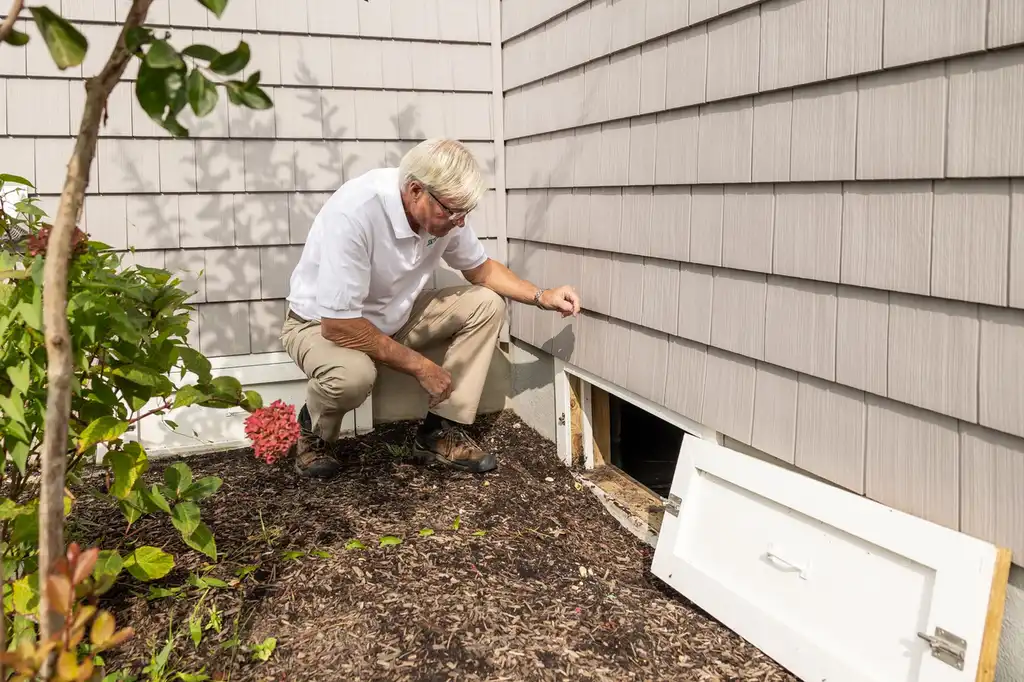
    Most Tanglewilde crawl spaces have bare soil and no vapor barrier. Ground moisture evaporates upward into the joists and insulation all year, and the vents that were supposed to dry the space actually let in humid outside air during the wet months. The result is mold on joists and fallen, moldy insulation. We remove the contaminated insulation, treat the wood, and install a reinforced vapor barrier across the soil. Where it makes sense, we close the vents and treat the crawl space as a conditioned space. We log moisture readings before and after so you can see the difference.

  • Attic mold from bath fans venting indoors

    Attic mold from bath fans venting indoors

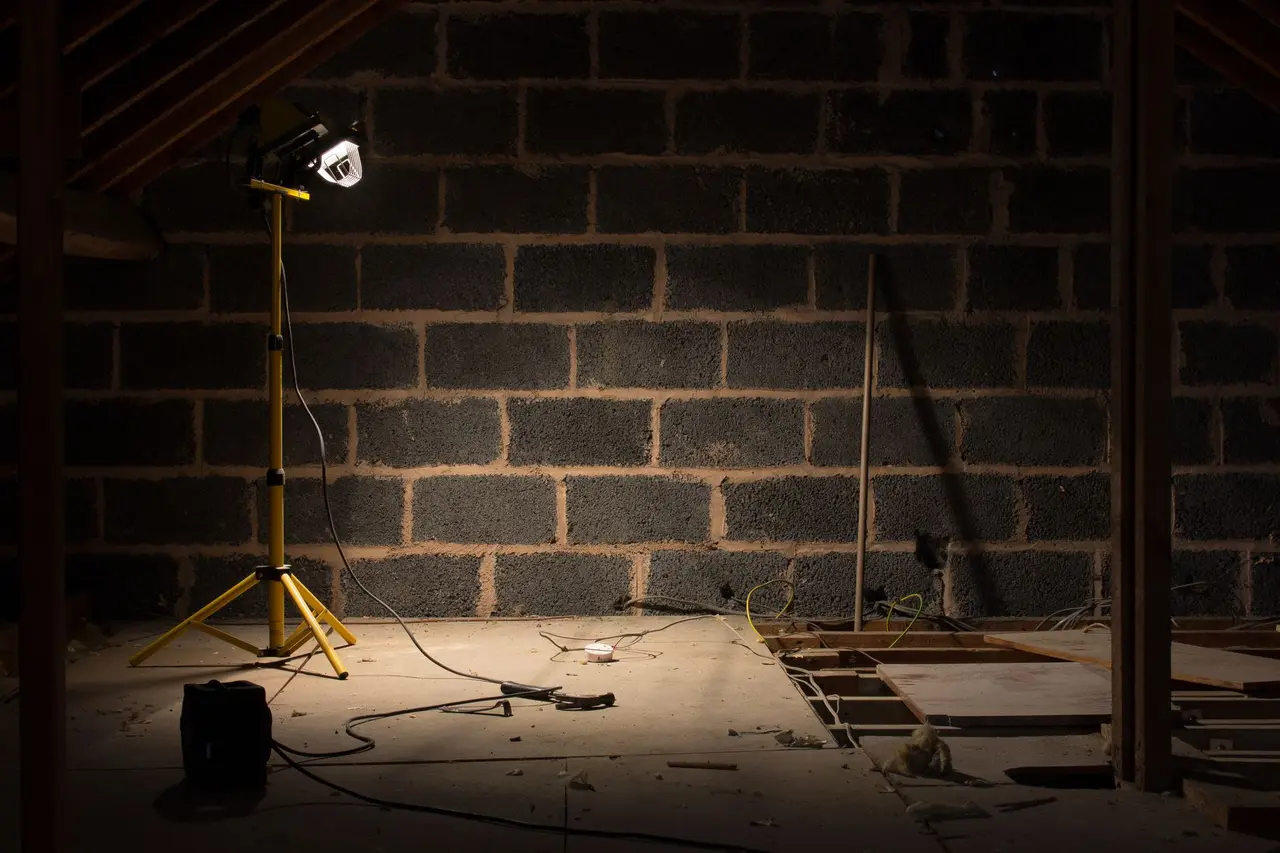
    Many Tanglewilde homes have bathroom exhaust fans that discharge into the attic instead of outside. Every shower pushes warm moist air into a cold attic, where it condenses on the roof sheathing. Over a winter, that condensation feeds mold across the deck. We reroute the fan duct to the exterior with a proper roof or wall cap, then clean and treat the affected sheathing. We also check intake venting so air actually moves through the attic. If the insulation is contaminated, it comes out and gets replaced.

  • Bathroom mold behind tile and caulk

    Bathroom mold behind tile and caulk

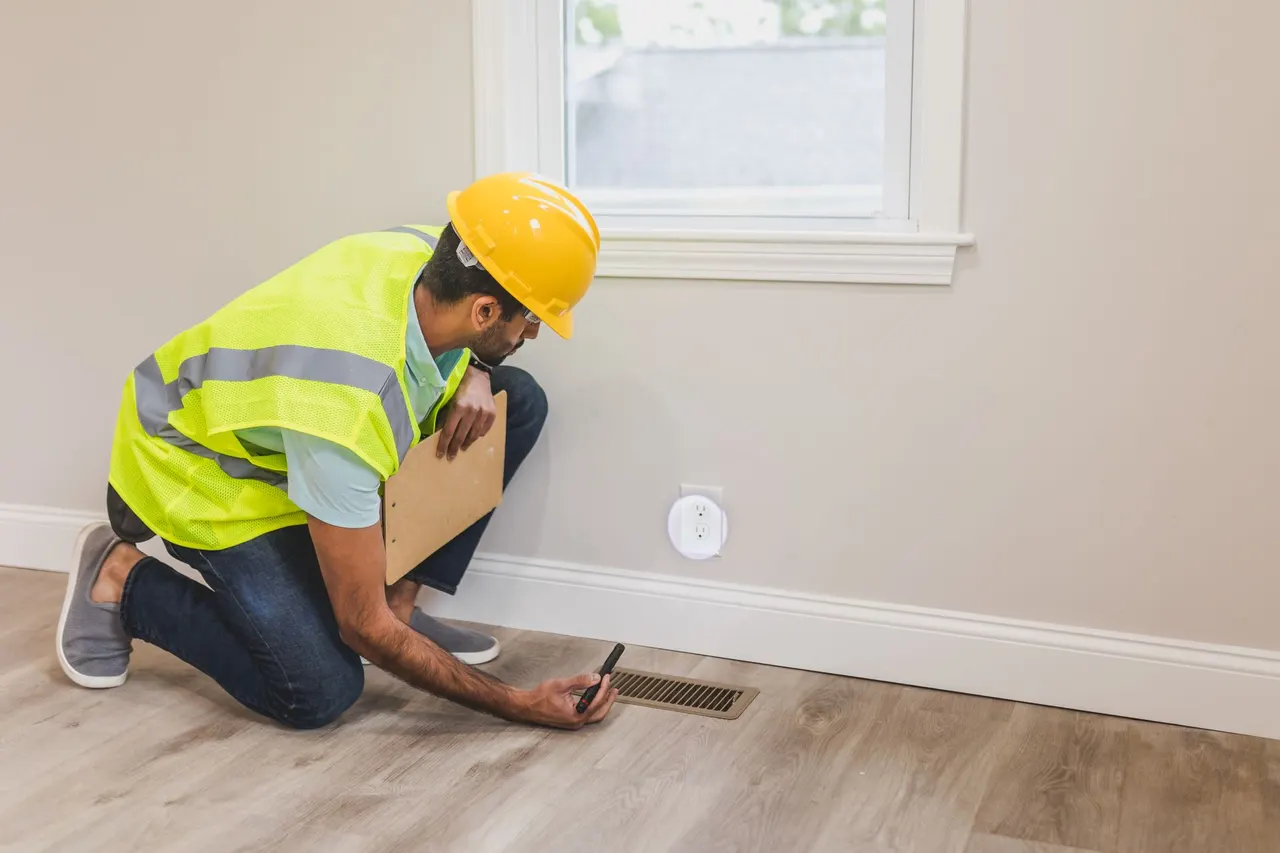
    Hall bathrooms in these homes were often built without an exhaust fan, and the shower pan or toilet flange can leak slowly for years without showing obvious damage. Moisture trapped behind tile and under the floor feeds mold that you smell before you see. We use a moisture meter and thermal imaging camera to find the wet zone without tearing out the whole bathroom. We remove the moldy material, treat the framing, repair the leak, and correct the ventilation so the room can dry after showers.

  • Hidden mold behind walls after slow leaks

    Hidden mold behind walls after slow leaks

    The plumbing in these older homes includes copper and galvanized lines that develop pinhole leaks. A slow drip inside a wall cavity keeps the drywall paper and insulation damp for weeks. By the time a stain appears on the interior wall, the cavity is usually well colonized. We trace the leak with a boroscope and thermal camera, open only the wet section, and remove the contaminated drywall and insulation. The cavity gets dried with air movers, treated with an antimicrobial solution, and closed back up once moisture readings are normal.

Signs You Need Mold Remediation in Tanglewilde

Watch for musty odors, attic staining, fallen insulation and paint that bubbles.

  • Persistent musty odor in one room

    A musty smell that does not clear after airing out the room usually means mold is growing inside a wall cavity, under a floor, or in the crawl space. Odor molecules travel through gaps in the building envelope, so the smell can show up far from the actual growth. This is a strong signal to get a moisture inspection.

  • Dark staining on attic sheathing

    Black or gray staining on the underside of roof sheathing is typically mold feeding on condensation. In Tanglewilde, this usually traces back to a bath fan venting into the attic or inadequate roof ventilation. Left alone, it spreads across the deck and can degrade the wood.

  • Sagging or fallen crawl space insulation

    When insulation falls off the floor joists, it means moisture has weighed it down or the facing has failed. Fallen insulation sitting on damp soil stays wet and holds mold against the wood above it. This is one of the most common findings in Tanglewilde crawl spaces.

  • Peeling paint or bubbling drywall

    Paint that peels or drywall that bubbles is a sign of moisture behind the surface. By the time you see it, the paper facing on the drywall is often already colonized. This is common around windows and in bathrooms in older Tanglewilde homes where ventilation is poor.

  • Allergy symptoms that worsen at home

    If your congestion, coughing or headaches ease when you are away from the house and return when you get back, indoor air quality is a likely factor. Mold spores and fragments can trigger reactions in sensitive people. Air sampling can confirm whether indoor spore counts are elevated above the outdoor baseline.

How Mold Remediation Is Executed in Tanglewilde

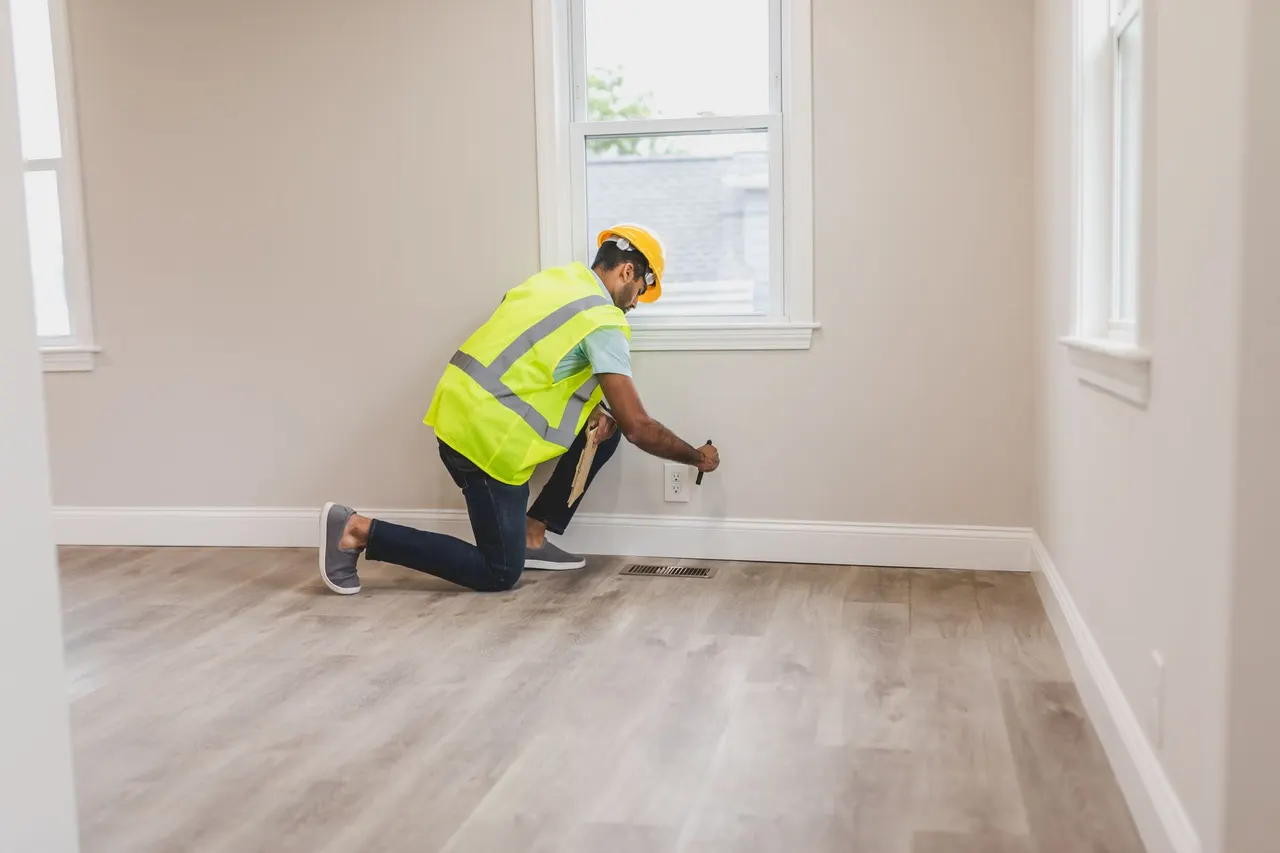
Mold Remediation near Tanglewilde runs on a simple sequence: stop the water, contain the area, remove what is contaminated, dry what stays, and verify. In practice, the details change street by street. Crawl space hatches in these 1960s and 1970s homes are often 18 by 24 inches, so we plan equipment around what will actually fit through the opening. Attic access is frequently in a closet, which means laying down protection before anyone climbs up. We schedule most Tanglewilde jobs between 8 a.m. and 4 p.m., and we can usually be on site the same day for water that is still active. If you need 24/7 Mold removal Tanglewilde WA service, call 360-995-0233 and we will tell you honestly whether it can wait until morning. Permits are rarely required for mold work itself, but structural repairs and electrical work for a new bath fan do get permitted through the City of Lacey, and we handle that paperwork.

  • Crawl spaces with bare soil and no vapor barrier

    Ground moisture wicks into floor joists and insulation year-round, so mold returns within a season if the soil is left exposed. It also makes the space humid enough that standard drying equipment struggles to hit target readings. We install a reinforced vapor barrier across the soil, seal the seams, and where the vents are oversized we close them and treat the crawl space as a conditioned space. We log moisture content in the joists before and after so you can see the drop.

  • Attic condensation on cold roof sheathing

    Warm moist air from bathrooms and kitchens rises into attics with poor venting and condenses on the underside of the roof deck from November through March. That is where the black staining on sheathing comes from. We remove moldy insulation, treat the sheathing, and correct intake and exhaust venting so air actually moves. Where a bath fan dumps into the attic, we reroute it to the exterior. Post-work moisture readings confirm the deck is dry.

  • Slow plumbing leaks inside walls

    Copper and galvanized lines in these older homes develop pinhole leaks that drip inside a wall cavity for weeks. By the time you smell it, drywall, insulation and sometimes framing are already colonized. We use a boroscope and thermal imaging camera to trace the leak without tearing out the whole wall. We open only the section that is wet, remove the contaminated material, dry the cavity, and treat the framing before closing it back up.

  • Washington State Department of Labor & Industries safety requirements for construction work

    Mold remediation involves demolition, confined space entry and respirator use. L&I rules govern how we protect workers in crawl spaces and how we handle debris. It also means anyone doing this work in Tanglewilde should be carrying proper coverage, not operating out of a pickup truck.

  • IICRC S520 standard for mold remediation

    This is the industry standard we follow for containment, removal and verification. It defines when material must be removed versus cleaned, and it is the reference an insurer or a home inspector will expect to see cited in your documentation.

  • City of Lacey permit requirements for structural and electrical repairs

    Mold work itself usually does not need a permit, but replacing rotted framing or adding a properly vented bath fan does. We pull those permits when the job calls for it so the repair is code-correct and does not create a problem at resale.

What your estimate is based on

  • Extent of material removalIf mold is limited to the surface of framing, we clean and treat it. If drywall, insulation or subfloor is colonized, it has to come out and be replaced. In Tanglewilde's older homes, we often find that insulation and drywall have to go, which adds disposal and replacement cost.
  • Access difficultyCrawl space hatches in these homes are often small, and some attics have almost no headroom. Tight access slows the work and limits which equipment fits, which adds labor hours. We assess access during the inspection so the quote reflects reality.
  • Moisture source repairsMold comes back if the water source is not fixed. Correcting a bath fan vent, installing a vapor barrier, or repairing a plumbing leak adds cost upfront but prevents a repeat job. We separate this from the remediation line so you can see what you are paying for.

We schedule Tanglewilde jobs Monday through Saturday, with most work starting between 8 a.m. and 10 a.m. Emergency calls are answered 24/7, and for active water intrusion we can usually have a crew on site the same day. If your job requires drying equipment to run for several days, we set it, check it daily, and pick it up when the readings are where they need to be.

Mold Remediation Pricing in Tanglewilde

Typical 2026 pricing for Mold Remediation in Tanglewilde runs from about $1,200 for a contained crawl space treatment up to $6,500 or more for a full attic or basement remediation with reconstruction. Most single-area jobs land between $1,800 and $3,500. The biggest cost driver is how much material has to be removed and replaced, not the square footage of the mold itself. A crawl space with a vapor barrier install costs more than a surface treatment but solves the problem permanently. Testing adds $300 to $600 depending on how many samples we take. We give you a written scope and price before any work starts, and we do not add charges mid-job without your approval.

Navigating Tanglewilde: Landmarks We Use

Tanglewilde is easy to get turned around in if you do not know it, because the streets loop and several of them share similar names. Our technicians use the neighborhood landmarks as orientation points when we are routing between jobs. If you are giving us directions, telling us you are near Tanglewilde Park or behind Tanglewilde Elementary gets us there faster than a street address alone. We also watch for the school zone timing near Tanglewilde Elementary when scheduling morning arrivals.

  • Tanglewilde Park

    A central orientation point for the residential streets that loop around it. If you tell us you are near the park, we know which side of the neighborhood you are on and which access street to use.

  • Tanglewilde Elementary

    A useful marker for the northern residential streets and for timing arrivals around school zone traffic. Morning drop-off can slow a service van, so we plan around it.

  • Lacey Community Center

    A recognizable reference point on the eastern edge of the area, helpful for routing calls that come from the streets between Tanglewilde and central Lacey.

  • Pacific Avenue corridor

    The commercial strip along Pacific Avenue carries a mix of retail, restaurants and small offices. We handle mold work in these spaces when a roof leak or a plumbing failure has affected a back room, storage area or ceiling grid.

  • Martin Way East

    Martin Way is the main east-west route we use to reach Tanglewilde from the rest of Lacey. It keeps our drive time predictable even during commute hours.

  • Interstate 5 at Marvin Road

    The I-5 interchange gives us a fast route in from the north and south, which matters when we are responding to an emergency call after hours.

Tanglewilde Neighborhoods We Serve

Tanglewilde is compact, but the housing varies enough that the mold work changes from one street to the next. We know which blocks have crawl space access on the side of the house, which ones have attics with almost no headroom, and which ones sit low enough that fall rain pools against the foundation. Here is how we cover the area.

  • Tanglewilde Drive
  • Tanglewilde Loop
  • Tanglewilde Court
  • Homes near Tanglewilde Park
  • 98516
  • 98503

Recent Mold Remediation Results in Tanglewilde

  • Tanglewilde Loop

    Before

    A homeowner on Tanglewilde Loop noticed a musty smell in the hallway but no visible mold. A moisture meter showed the subfloor under the hall bath was reading 28 percent moisture content.

    After

    We pulled the toilet and opened the floor around the flange, finding a failed wax ring that had been leaking slowly for months. The subfloor and a section of the rim joist were colonized. We removed the damaged wood, treated the framing with an antimicrobial solution, dried the cavity with air movers, and replaced the subfloor with mold-resistant drywall and new flooring underlayment. Moisture content in the repaired subfloor dropped to 11 percent by day three. The musty odor was gone and the homeowner passed a follow-up air sample with indoor spore counts below the outdoor baseline.

  • Tanglewilde Court

    Before

    A rental property on Tanglewilde Court had visible black staining across the attic sheathing and a tenant complaining of headaches. The bath fan was venting directly into the attic space.

    After

    We set containment at the attic access, ran a negative air machine, and removed the contaminated insulation. The sheathing was cleaned with an antimicrobial solution and treated. We rerouted the bath fan duct to the exterior through the roof with a proper vent cap, and added intake vents to improve airflow across the deck. Post-remediation air sampling came back clear. The property manager received a full photo report and documentation for the tenant file. No recurrence reported through the following winter.

  • Near Tanglewilde Park

    Before

    A 1971 ranch house near Tanglewilde Park had sagging insulation in the crawl space and a persistent damp smell in the living room. There was no vapor barrier over the soil.

    After

    We removed the fallen insulation, HEPA vacuumed the joists, and treated the wood with an antimicrobial solution. Then we installed a reinforced vapor barrier across the entire crawl space floor, sealed the seams, and closed the oversized foundation vents. We also corrected a downspout that was discharging against the foundation. Crawl space relative humidity dropped from 78 percent to 54 percent within four days. The homeowner reported the damp smell cleared and the living room floor felt warmer through the winter.

What Tanglewilde Customers Say

4.9

  • We had a musty smell in our hallway for months and could not figure out where it was coming from. The technician found a slow leak under the bathroom floor with a moisture meter and a camera. They opened a small section, replaced the subfloor, and dried everything out. They showed me the moisture readings before and after, which I appreciated. No more smell.
    Dana R.Tanglewilde Loop
  • Called about black mold in the attic of a rental I own off Tanglewilde Court. They came out the same day, explained that the bath fan was dumping moist air into the attic, and gave me a written quote before starting. The crew wore protective gear, sealed off the attic, and cleaned it properly. They also fixed the venting so it will not happen again. Good communication throughout.
    Marcus T.Tanglewilde Court
  • Our crawl space had no vapor barrier and the insulation was falling down. They removed the old insulation, treated the joists, and installed a heavy plastic barrier across the whole floor. It took two days and they cleaned up after themselves. The humidity in the crawl space dropped a lot, and the house smells better. Fair price for the amount of work.
    Priya S.Near Tanglewilde Park

How Seasons Affect Mold Remediation in Tanglewilde

  • Spring

    Spring is when Tanglewilde homeowners discover what winter did. Attic staining, musty crawl space smells and ceiling stains from roof leaks all become visible as the weather warms. Demand for inspections and testing peaks in April and May. Get into the attic and crawl space in March or April with a flashlight and look for staining or fallen insulation. Catching it now means a smaller job than waiting until fall.

  • Summer

    Summer is the best time to do remediation work in Tanglewilde because drying equipment runs more efficiently and windows can be opened for ventilation. Crawl space vapor barrier installs and attic insulation replacement are most comfortable and fastest in July and August. If you have been putting off a crawl space or attic project, schedule it for summer. Drying times are shorter and the work goes faster in dry weather.

  • Fall

    Fall rain returns in October and finds every weak point: clogged gutters, failed roof flashing, and foundation drains that cannot keep up. This is when active water intrusion calls start. Mold can begin growing on wet drywall within 24 to 48 hours. Clean your gutters and check that downspouts discharge well away from the foundation before the heavy rain starts. If you get a leak, call us right away rather than waiting for it to dry out.

  • Winter

    Winter is peak season for condensation problems in Tanglewilde. Warm indoor air meets cold attic sheathing and window frames, and the moisture has nowhere to go. Crawl spaces stay damp, and any slow plumbing leak gets worse with cold-temperature stress on pipes. Run your bath fans for 20 minutes after every shower and check that they are actually moving air. If you see condensation on windows every morning, your indoor humidity is too high and the attic is likely getting it too.

What to Ask Before Hiring a Mold Contractor in Tanglewilde

Mold remediation is not a licensed trade in Washington the way plumbing or electrical is, which means almost anyone can advertise it. That puts the burden on you to ask the right questions. A good contractor will answer these without hesitation. If someone dodges them or pressures you to sign before you have a written scope, that is your answer.

  • Will you test to confirm the mold before you quote the removal?

    Testing tells you what is actually growing and whether the air in your home is affected. A contractor who skips testing and jumps straight to a removal quote may be selling you work you do not need, or missing a hidden problem that will come back.

  • What is your containment and air filtration setup?

    Proper remediation uses negative air machines and HEPA filters to keep spores from spreading through the house during removal. If the answer is a shop vac and a spray bottle, the job will contaminate other rooms and you will be back where you started.

  • Will you fix the moisture source, or just remove the mold?

    Mold needs water. If the contractor removes the growth but does not address the leak, the vapor barrier or the ventilation, it will return. Ask specifically what they will do about the water source and get it in the written scope.

  • How will you verify the job is complete?

    Post-remediation verification means moisture readings and, for larger jobs, air sampling to confirm spore counts are back to normal. A contractor who cannot tell you how they verify completion is guessing, and you are the one who lives with the result.

  • Are you insured, and who is doing the actual work?

    Ask for a certificate of insurance and ask whether the crew on site is employees or subcontractors. Mold work involves demolition and confined space entry, and you want the company you hired to be the company standing in your crawl space.

Mold Remediation in Tanglewilde: Common Questions

Still wondering? 3609950233

Local service team

Get Mold Remediation in Tanglewilde Started Today

If you have found mold in your Tanglewilde home or you are not sure what that musty smell is, call us at 360-995-0233. We will inspect, test if needed, and give you a written scope and price before any work begins. We have worked this neighborhood since 2018, and we follow the IICRC S520 standard on every job. Emergency calls are answered 24/7, and most Tanglewilde jobs can be scheduled the same week.

Contact Lacey Mold Pros

Call 360-995-0233 or email [email protected] to book an inspection. We answer the phone during business hours and return after-hours messages first thing the next morning. Most inspections get scheduled within one business day, and we serve all of Lacey and the surrounding Thurston County area.

Thanks. Your request is in and the team will follow up shortly.