Local GuidesMold Prevention
Crawl space mold remediation vs encapsulation: which is right for Lacey homes
Remediation kills the mold; encapsulation keeps it from coming back. Here's how Lacey homeowners choose between the two - and what each one costs in 2026.
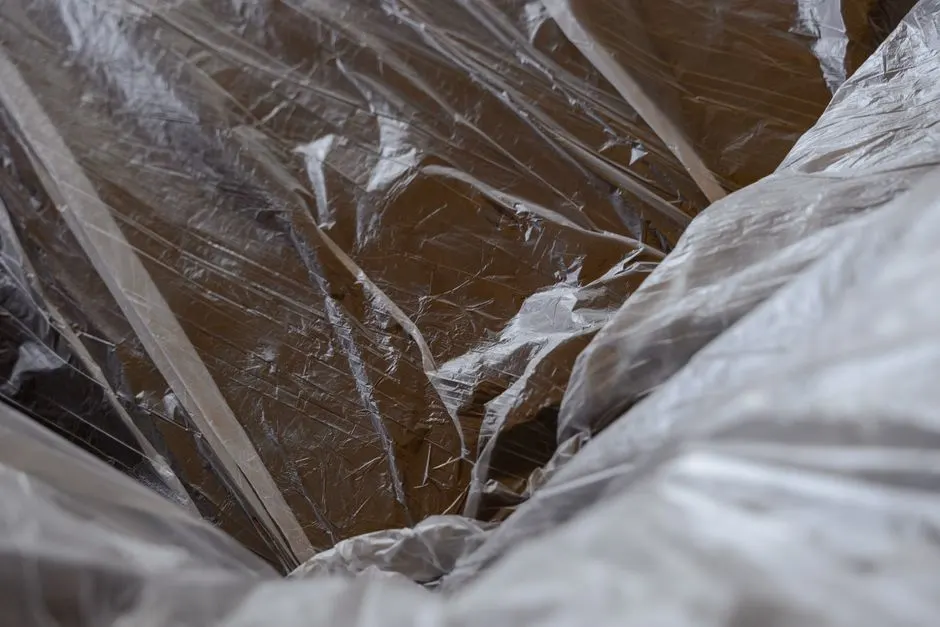
If your crawl space already has visible mold, remediation comes first and encapsulation comes second - you never seal mold behind a vapor barrier. If the crawl space is dry and mold-free but you want to keep it that way, encapsulation alone is the right call. That's the whole decision in two sentences. The rest of this post breaks down what each option actually involves, what they cost in Lacey in 2026, and how to tell which one your house needs.
We've crawled under hundreds of homes from Tanglewilde to Hawks Prairie, and the pattern is always the same: the houses that stay mold-free are the ones where somebody fixed the moisture source, not just the fuzzy stuff on the joists.
Crawl space mold remediation vs encapsulation: the short answer
Crawl space mold remediation vs encapsulation Lacey WA is a comparison between two different jobs that solve two different problems: remediation removes existing mold and the contaminated material it's growing on, while encapsulation installs a sealed vapor barrier system that keeps ground moisture out of the crawl space permanently.
Remediation is a cleanup. Encapsulation is a prevention system. Most Lacey homes with active mold need both, in that order - you can't encapsulate over mold because the moisture trapped under the plastic feeds it faster.
Here's the quick version:
- Remediation only: right when the mold is recent, the moisture source is fixed, and the crawl space is otherwise in good shape.
- Encapsulation only: right when there's no mold yet but you're fighting recurring dampness, musty smells, or high humidity.
- Both: the standard for Lacey homes with visible growth plus a wet or damp crawl space - which is most of them.
Why Lacey crawl spaces grow mold so fast
Lacey sits in a marine climate with roughly 50 inches of rain a year, most of it between October and April, and that rain doesn't drain away fast on the area's heavy glacial till soils. Water pools against foundations, wicks through concrete, and evaporates straight up into the crawl space.
Add the temperature math and you have a mold incubator. Crawl spaces here sit between 50 and 60 degrees year-round, and relative humidity routinely climbs past 70% from November through March. Mold needs 60% humidity and organic material - wood joists, subfloor, insulation paper, cardboard - and it has both.
We see the worst cases in three situations:
- Homes built before 1990 with bare dirt floors and no vapor barrier at all.
- Houses with downspouts that dump within 3 feet of the foundation.
- Any crawl space with a dryer vent, bathroom fan, or HVAC condensate line venting into it instead of outside.
If you're in one of the older neighborhoods near Tanglewilde Mold Remediation, where a lot of the housing stock dates to the 1960s and 70s, bare-dirt crawl spaces are the norm rather than the exception.
What crawl space mold remediation actually involves
Crawl space mold remediation in Lacey Washington follows a set sequence, and skipping any step is why DIY jobs come back within a season.
- Containment. We seal the crawl space access and any openings to the living space with 6-mil poly and negative air pressure so spores don't migrate upstairs while we work.
- HEPA vacuuming. Every joist, subfloor surface, and pier gets vacuumed with HEPA filtration to pull surface spores off the wood.
- Antimicrobial treatment. We apply an EPA-registered antimicrobial to all affected framing. This kills active growth and stops it from spreading.
- Removal of unsalvageable material. Insulation batts, fallen duct wrap, cardboard, and any wood with rot or deep penetration get bagged and hauled out. Mold doesn't come off fiberglass.
- Moisture source correction. This is the step that matters most. We fix grading, extend downspouts, repair plumbing leaks, and reroute vent lines before we leave.
- Verification. We re-inspect after 24 to 48 hours of drying to confirm moisture content is under 16% on the framing before closing out.
A typical Lacey crawl space under 1,200 square feet takes two to three days for remediation alone. If the mold has spread to the subfloor above, add a day.
For homes where the growth has gone beyond surface-level and into structural wood, we treat it as Black mold removal Lacey WA and bring in additional containment and air scrubbing equipment.
What crawl space encapsulation actually involves
Crawl space encapsulation Lacey WA is the installation of a sealed, reinforced vapor barrier system that covers the floor, wraps the foundation walls, and seals to the rim joists - turning a vented, humid crawl space into a dry, conditioned one.
Here's what goes into a proper encapsulation:
- 20-mil reinforced poly liner on the floor (not the 6-mil stuff from the hardware store - it tears within two years).
- Wall liner running up the foundation walls and mechanically fastened at the top.
- Sealed seams and penetrations at every pipe, pier, and column.
- Vent sealing - foundation vents get closed and insulated. Yes, this is counterintuitive, but vented crawl spaces in western Washington pull in more moisture than they release.
- Dehumidifier sized to the cubic footage, typically a 70-pint unit for a standard Lacey crawl space.
- Sump pump and drainage mat if the crawl space takes on groundwater during the wet season.
Encapsulation takes three to five days for a typical Lacey home. The liner itself carries a 20-year manufacturer warranty when installed correctly, and we've seen properly installed systems in this climate still performing at year 15.
One thing worth knowing: encapsulation changes how your house breathes. It's a building-science decision, not a plastic-sheeting decision, and it needs to be sized to your home's ventilation and HVAC setup. We handle that as part of the Crawl space mold remediation Lacey WA scope when both services are combined.
Crawl space mold remediation cost vs encapsulation cost in Lacey WA
Typical 2026 pricing in the Lacey area runs $1,800 to $4,500 for crawl space mold remediation and $5,500 to $12,000 for full encapsulation, depending on square footage, access, and how much material has to be removed.
Here's how the numbers break down for a 1,000 to 1,500 square foot crawl space:
- Mold remediation: $1,800-$4,500. Lower end for light surface growth on joists with good access. Higher end when insulation has to come out, subfloor is affected, or access is tight.
- Encapsulation: $5,500-$12,000. The floor liner alone runs $2.50-$4.00 per square foot installed. Wall liner, vent sealing, and dehumidifier add $2,000-$5,000 depending on the layout.
- Combined remediation + encapsulation: $7,000-$15,000. This is the most common scope we quote in Lacey because most homes with mold also have a moisture problem worth sealing out.
- Dehumidifier replacement: $1,200-$2,200 installed, and units typically need replacing every 8 to 12 years.
What drives the price up: low clearance (under 24 inches), no exterior access hatch, extensive rot, or plumbing leaks that have been running for years. What keeps it down: good access, no insulation removal, and a moisture source that's easy to correct.
We give you a written scope and a fixed price before any work starts. No surprises.
Which option fits your Lacey home?
Which is right for Lacey homes - crawl space mold remediation or encapsulation - comes down to three questions: is there mold now, is there a moisture source you can't eliminate, and how long do you plan to own the house?
Run through this:
- Mold visible, moisture source fixable (a leaky pipe, a downspout): remediation alone is usually enough. Fix the source, clean the growth, monitor.
- Mold visible, moisture source is the ground itself: remediation plus encapsulation. This is the majority of Lacey homes we inspect.
- No mold, but musty smell, high humidity, or condensation on ducts: encapsulation now, before mold starts. Cheaper than waiting.
- No mold, no moisture issues, house under 15 years old with a functioning vapor barrier: neither. Keep the barrier intact and re-inspect every two years.
If you're in a newer development like Hawks Prairie Mold Remediation, you likely already have a basic vapor barrier and the question is whether to upgrade to full encapsulation. If you're in a 1970s ranch near Long Lake, you're probably looking at both.
Common mistakes we see in Lacey crawl spaces
The same four mistakes show up in almost every failed crawl space job we get called to fix.
- Encapsulating over active mold. Sealing mold under plastic traps the moisture and food source. It comes back worse within 12 months, and now it's under a liner you paid for.
- Using 6-mil poly. It punctures during install, tears on gravel, and degrades in UV within a couple of years. The material cost difference between 6-mil and 20-mil reinforced is a few hundred dollars on a full job.
- Skipping the moisture source. If you don't fix the grading, the downspouts, and the plumbing leaks, you're cleaning mold in a space that's still wet. It will be back.
- Not testing before remediation. You can't confirm the job is done without baseline and clearance data. We run Mold testing Lacey WA before and after on every remediation project so you have documentation.
One more: don't run a box fan or a household dehumidifier in a crawl space and call it moisture control. A 30-pint consumer unit can't keep up with 1,200 square feet of exposed soil in a Lacey winter.
When to call a professional
Call us when you can see or smell mold, when your wood framing reads above 20% moisture content on a meter, or when the crawl space has standing water after a rain. Those three conditions mean the problem is past what a homeowner can safely handle.
We start every crawl space job with a full Mold inspection Lacey WA - moisture readings on every joist, a look at the vapor barrier condition, and a check of the grading and drainage outside. From there we tell you straight whether you need remediation, encapsulation, or both, and what it will cost.
If you're seeing mold in more than one part of the house, the crawl space is usually the source. We handle the full scope, from Basement mold remediation Lacey WA to attic work, under one project.
Frequently Asked Questions
Should I choose crawl space mold remediation or encapsulation in Lacey WA?
If mold is present, remediation comes first - always. Encapsulation is added afterward if the crawl space has an ongoing moisture problem, which most Lacey homes do. Encapsulation alone is only correct when there's no existing mold but humidity is high.
How much does crawl space encapsulation cost in Lacey Washington?
Full encapsulation in Lacey runs $5,500 to $12,000 in 2026 for a typical 1,000 to 1,500 square foot crawl space. Floor liner alone is $2.50 to $4.00 per square foot installed. Dehumidifier, wall liner, and vent sealing make up the rest.
Does encapsulation prevent mold in Lacey crawl spaces?
Yes, when it's installed correctly and the moisture source is fixed first. A sealed 20-mil liner plus a properly sized dehumidifier keeps crawl space humidity below 60%, which is the threshold mold needs. Skipping the moisture source defeats it.
Can I encapsulate a crawl space that already has mold?
No. Encapsulating over active mold traps moisture and food, and the growth returns worse within a year. Remediate first, verify clearance with testing, then encapsulate. That order is not negotiable.
How long does crawl space mold remediation take?
Two to three days for a typical Lacey crawl space under 1,200 square feet, including containment, HEPA vacuuming, antimicrobial treatment, and material removal. Add a day if the subfloor is affected. Encapsulation adds three to five days.
Get help with Mold Remediation in Lacey
We inspect, remediate, and encapsulate crawl spaces across Lacey - from Beachcrest to Meridian Campus - and we'll tell you honestly which option your house actually needs.
Call Lacey Mold Pros at 360-995-0233 to schedule a crawl space inspection and get a fixed-price scope.